Spain's meteorological agency has declared a red alert in Valencia. Extreme heat, dry storms, and rare thermal bursts are expected. Authorities warn of intense winds and hazardous conditions.
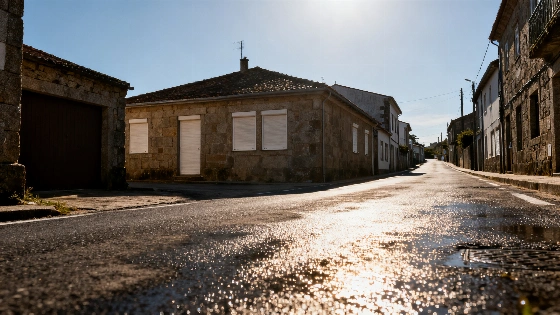
The State Meteorological Agency (AEMET) has declared a red alert for the Valencian Community, warning of maximum temperatures reaching 42°C, sudden wind gusts, dry storms, and the emergence of thermal bursts. This rare weather event, known as a 'reventón térmico', is now under close watch as authorities brace for potentially hazardous conditions across the region.
Thermal bursts, or heat bursts, are characterized by a rapid downward rush of hot, dry air from storm clouds. When this air mass descends at high speed and collides with the ground, it produces violent wind gusts and a sudden spike in temperature, creating an oppressive and dangerous atmosphere. According to AEMET, these bursts can last from 5 to 30 minutes and are often accompanied by abrupt changes in weather, including intense winds that may exceed 80 km/h.
There are two main types of downbursts: dry and wet. The distinction lies in whether precipitation reaches the ground. Dry downbursts occur when rain evaporates before hitting the surface, causing the descending air to accelerate and dry out further. Wet downbursts, on the other hand, involve precipitation that does reach the ground, intensifying the impact of the descending air. The current alert highlights the risk of dry downbursts, which are particularly difficult to predict and can develop rapidly during heatwaves.
The phenomenon of the thermal burst, or 'reventón térmico', has become more frequent in Spain during recent heatwaves. This specific variant arises when a descending current of air, after passing through a layer of hot, dry atmosphere, encounters a cooler, moist layer near the surface but does not fully reach the ground. The result is a sudden, intense surge of hot air with sharply reduced humidity, typically occurring in the final phase of a storm. These events are most likely to form at night or in the early morning, when ground temperatures are lower, making them harder to anticipate.
Initially, a thermal burst may resemble a classic dry downburst: moisture from storm clouds mixes with dry air, and as rain begins to fall, it evaporates before reaching the ground due to the intense heat. The cooled air, now heavier, plunges toward the surface, spreading out as powerful gusts. However, as this air mass compresses against the ground, it heats up rapidly, creating a dry, scorching environment that can be hazardous for anyone caught outdoors.
Spain has seen a rise in extreme weather events linked to climate change, with authorities increasingly forced to adapt emergency protocols. The current situation in Valencia echoes recent challenges faced elsewhere in Europe, such as the Tour de France, where organizers had to shorten stages and deploy advanced cooling measures for athletes in response to record-breaking heat. For more on how extreme temperatures are affecting major events, see how Tour de France teams have responded to unprecedented heat conditions.
Thermal bursts are notoriously difficult to forecast due to their sudden onset and brief duration. AEMET advises residents and visitors in the affected areas to remain vigilant, avoid outdoor activities during peak alert periods, and follow official guidance. The agency continues to monitor the situation closely, emphasizing that the combination of extreme heat, dry storms, and unpredictable wind gusts poses a significant risk to public safety. Understanding the mechanics of these bursts is crucial for emergency planning, especially as Spain faces increasingly volatile summer weather patterns.
For context, a downburst is a localized, powerful downdraft from a thunderstorm that can cause damage similar to that of a tornado, though it is not associated with rotation. In Spain, such phenomena are most common during periods of intense heat and atmospheric instability. The growing frequency of thermal bursts highlights the need for improved forecasting and public awareness, as these events can disrupt transport, damage infrastructure, and endanger lives within minutes of forming.