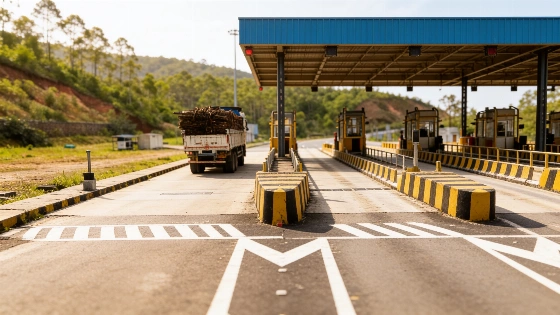
Authorities in Asturias have launched a major sanction against Aucalsa, the AP-66 toll operator, after months of full-price charges despite major traffic restrictions and degraded service. The case could set a new standard for toll road accountability in Spain.
Aucalsa, the company managing the AP-66 toll road—known as the Autopista del Huerna—now faces a potentially record-breaking fine after regional and national authorities in Asturias confirmed a formal sanction process. The move comes after months of complaints from drivers and transport companies, who were forced to pay full tolls even as the motorway suffered from severe traffic restrictions, emergency construction, and long-lasting service disruptions.
According to official inspection reports, Aucalsa continued to collect the standard toll rate during periods marked by heavy congestion, single-lane traffic, and temporary detours caused by landslides and urgent repairs. Despite these conditions, which led to extreme delays and poor driving conditions, the company did not offer any discounts, exemptions, or compensatory measures to affected users.
Mounting Pressure
The proposed fine is the result of a detailed investigation, including technical assessments and a series of formal complaints from both individual motorists and professional transport associations. For months, truckers and logistics firms highlighted the financial burden of paying full tolls while journey times doubled or tripled, with no viable alternative routes available. For many, the AP-66 is an unavoidable corridor linking Asturias with the León plateau, making any operational failure especially costly.
Administrative sources say the size of the penalty is intended to send a clear message: holding a public concession does not grant unconditional rights to charge users, especially when minimum service standards are not met. The official resolution stresses that toll collection is only justified when the operator provides a safe, efficient, and comfortable service, as required by law.
Legal and Economic Impact
The sanction process has been welcomed by key business groups in Asturias, particularly those in freight and logistics, who have repeatedly called for stricter oversight of toll road operators. The government of the Principado de Asturias had previously pressed the Ministry of Transport and road inspection bodies to enforce tighter controls on Aucalsa’s operations.
The case file supporting the fine details how Aucalsa had both the technical means and regulatory tools to adjust tolls in line with the actual quality of service during the worst phases of the crisis. Instead, the company maintained full charges, a decision now described by authorities as unjustified and insensitive to user needs. The dossier includes hundreds of formal complaints, police reports from the Guardia Civil de Tráfico, and time studies documenting the scale of the delays.
What Happens Next
With the official notification now delivered, Aucalsa has the right to present its defense, submit evidence, and appeal the decision before a final ruling is issued. However, legal experts close to the case note that the evidence compiled by the administration leaves little room for overturning the sanction.
If confirmed, the fine would not only have a significant financial impact on Aucalsa but could also set a precedent for how toll road operators are held accountable across Spain. The outcome is likely to influence future expectations for service quality and user rights on the country’s network of pay-to-use highways.
Context and Significance
Spain’s toll road system has long been a subject of debate, especially in regions where alternative routes are limited. The AP-66 is a critical link for both private and commercial traffic between Asturias and central Spain. Recent years have seen increased scrutiny of concessionaires, with authorities under pressure to ensure that tolls reflect the actual level of service provided. This case may mark a turning point in how public-private road contracts are enforced, with broader implications for infrastructure management nationwide.