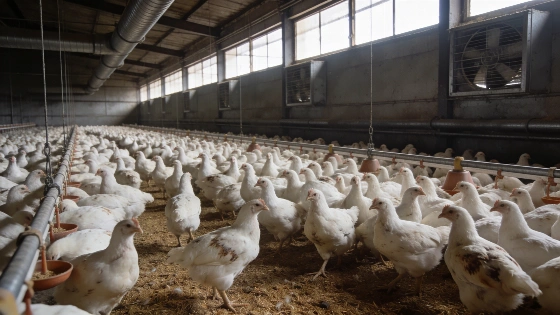
Javier José Vázquez Zayas started with 50 hens in a family shed. Less than a year later, his JN Farm in Corozal houses 1,400 free-range chickens and produces 1,200 eggs daily, focusing on animal welfare and quality over mass production.
Javier José Vázquez Zayas was just 20 when he transformed a modest family project into a full-scale free-range egg farm in Corozal. What began with 50 laying hens in a backyard shed has grown into JN Farm, a business now producing around 1,200 eggs each day and housing 1,400 chickens. His approach is clear: prioritize animal welfare and deliver quality eggs directly to local households.
Vázquez Zayas’s connection to agriculture runs deep. Raised in a farming family, he spent his childhood helping his parents grow cilantrillo and learning the rhythms of rural life. Yet, he wanted to carve out his own path. The idea for poultry farming came unexpectedly, sparked by a suggestion from his father. With his savings, he bought his first flock and set up a temporary coop near home, naming the venture JN Farm in honor of his parents, José and Nancy.
Rapid Growth and a New Model
Within months, the project outpaced expectations. As the initial hens began laying, Vázquez Zayas saw the potential for expansion. He invested in more birds, eventually reaching 1,400 hens and a rooster, and moved operations to a dedicated plot in the Maná neighborhood. Each morning starts at six, when he opens the doors to let the chickens roam outdoors—a daily ritual that underscores his commitment to animal welfare.
Unlike intensive farming systems, JN Farm’s free-range model allows chickens to graze, scratch, and dust-bathe in open pastures. These natural behaviors, Vázquez Zayas believes, are essential for both the well-being of the animals and the quality of the eggs. “Happy hens, quality eggs,” he told Primera Hora, summing up the philosophy that guides his work.
Challenges of Competing in the Egg Market
The journey has not been without setbacks. Competing against cheap imported eggs has proven tough, and Vázquez Zayas admits the market is unforgiving. “It hasn’t been easy. Imported eggs are much cheaper. But we keep fighting,” he says. He has also faced hard lessons, such as losing several hens during a stressful relocation to the new coop—a reminder of the learning curve that comes with running a farm at a young age.
The demands of the business have reshaped his personal life. Once an avid cyclist, Vázquez Zayas gave up the sport to focus on the farm, often sacrificing family time to care for his flock. Despite the sacrifices, he remains driven by the vision that first inspired him: building something of his own from the ground up.
Looking Ahead
Now, Vázquez Zayas is working to raise the profile of JN Farm, expand direct-to-home sales, and set up a mobile sales point in Naranjito. He also plans to gradually broaden his agricultural activities. After ten months at the helm, he looks back with pride at how far he has come—and forward to what’s next.
Free-range egg production remains a small but growing segment in Spain, where consumer interest in animal welfare and food quality is on the rise. While large-scale producers still dominate the market, stories like Vázquez Zayas’s highlight the possibilities for young entrepreneurs willing to take risks and invest in ethical farming practices.