AESAN warns against EROSKI ricotta sauce over glass fragments
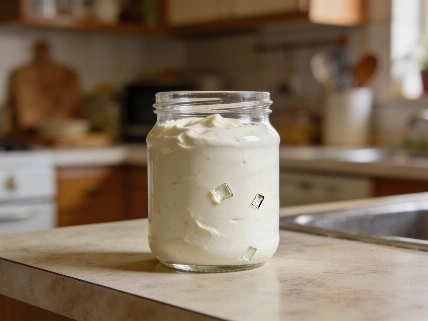
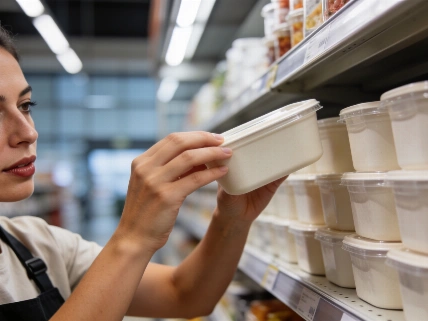
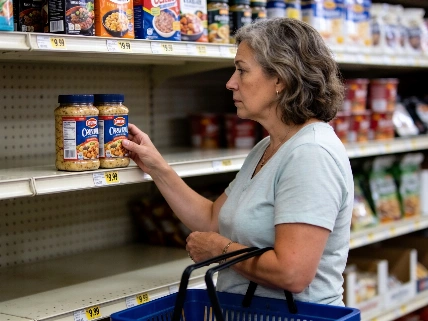
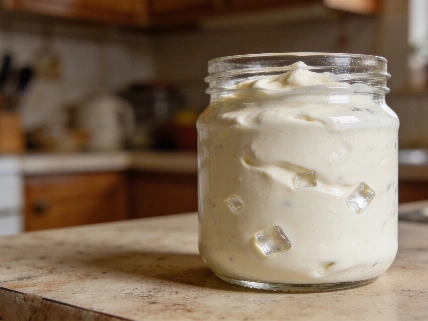
AESAN has warned consumers not to eat EROSKI’s 'Salsa Ricotta' from batch LA310CRI01 after glass fragments were detected. The 350-gram jar has a use-by date of 06/11/2028.
AESAN has warned consumers not to eat EROSKI’s 'Salsa Ricotta' from batch LA310CRI01 after glass fragments were detected. The 350-gram jar has a use-by date of 06/11/2028.
AESAN has warned of glass fragments in EROSKI Salsa Ricotta from Italy. The alert identifies lot LA310CRI01, with an expiry date of 06/11/2028, and advises consumers not to eat it.
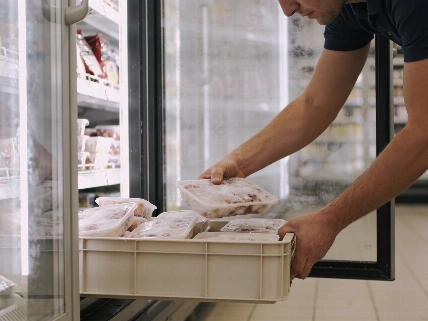
Remote tampering pushed refrigerator temperatures as high as 50°C in French supermarkets, spoiling stock at hundreds of stores. Belgium and the Netherlands faced separate retail disruptions, and investigators have not linked the incidents.
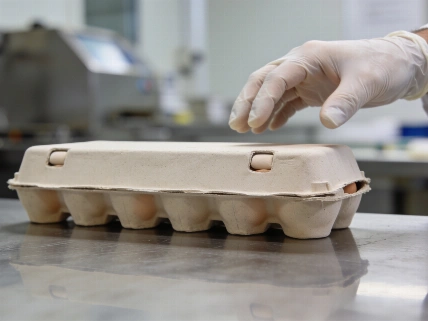
A report links at least 13 illnesses in Spain to Salmonella Enteritidis in eggs reportedly withdrawn from sale. Public records reviewed did not verify the batch or the reported RASFF classification, and offered no confirmation of distribution to Portugal.
Ciudad Real hosts the IV Jornadas de Destinos Enogastronómicos, where leading voices debate how local food and wine can fuel tourism and rural growth. The event puts the region at the center of Spain’s culinary travel ambitions.
Ingredalia has won a FoodTech Emprende Award in Barcelona for its bioactive sulforaphane platform for functional foods. The Navarra startup received the prize in the health and wellbeing category.
FIC 2028 directors Jesús Manuel Hernández and Darío Sánchez are meeting potential exhibitors and visitors at Alimentaria FoodTech in Barcelona. The visit forms part of the early campaign for the next Feria de la Industria Cárnica in Guijuelo.
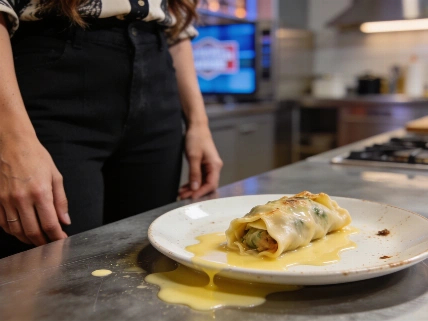
La Mala Rodríguez was eliminated after the judges rejected her stuffed pasta dish as inedible. A kitchen swap and a contest for immunity added pressure to the episode.
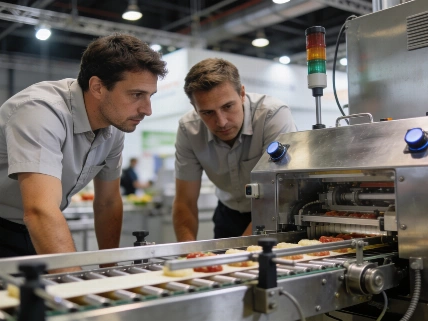
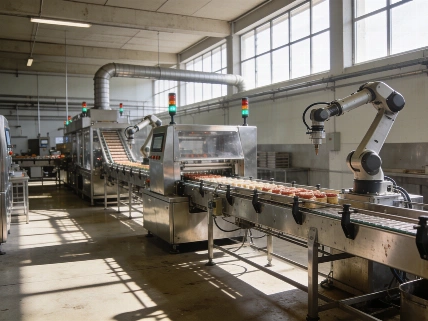
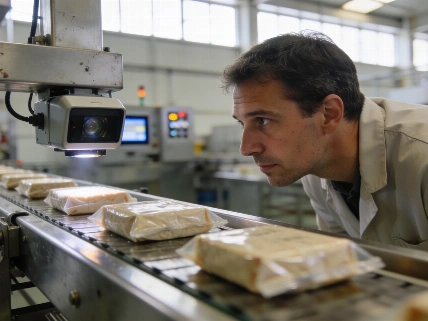
More than 330 exhibitors will gather in Barcelona in October. Live production tools will show how artificial intelligence is moving onto the factory floor, with sensors and automation in use.
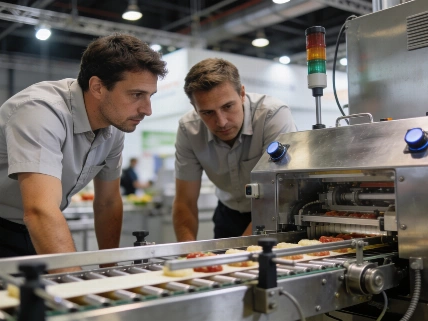
More than 330 exhibitors from 22 countries will gather in Barcelona from 6 to 8 October. AI, automation, safer ingredients and waste-cutting systems will share the floor.
More than 330 companies will gather in Barcelona from 6 to 8 October to show how automation can improve food production. Artificial intelligence will take a central place in the programme.
Ibero-American states have signed a shared agricultural roadmap in Córdoba. The agreement targets food security and rural opportunities while addressing climate change, market volatility and inequality.
A major study finds Spanish children and teens mostly drink water and milk, not soda. Cocoa-flavored milk is popular, while sugary drinks remain uncommon. The findings highlight trends in school hydration.
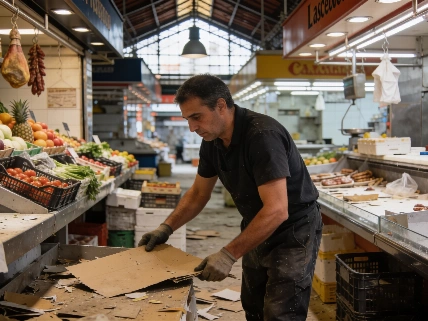
Barcelona’s La Boqueria market will undergo a major renovation. The city aims to restore its local food focus and reduce tourist-oriented stalls. New rules and a €12 million upgrade are planned.
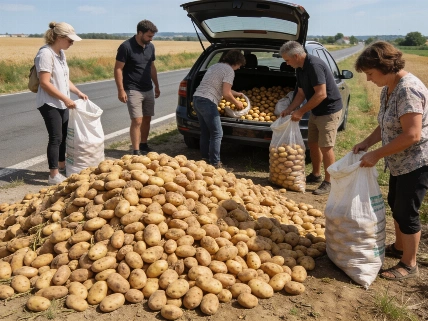
In July 2025, a French farmer in Gigny-Bussy opened his fields to the public, offering 500 tons of unsold potatoes for free. The gesture drew crowds and led some visitors to resell 20-kilo sacks for 15 euros, highlighting the challenges of agricultural surplus.
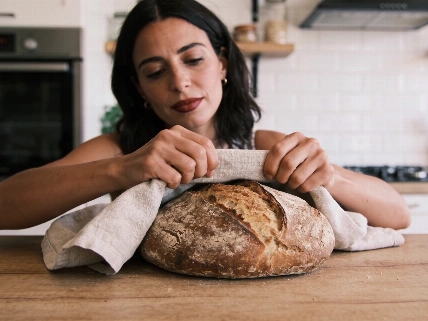
Beatriz Echeverría, founder of El Horno de Babette, explains why wrapping bread in clean linen or cotton cloth preserves its texture and flavor. Her method balances moisture and ventilation, helping loaves stay fresh longer without turning soggy or dry. The advice is gaining renewed attention among Spanish home bakers.
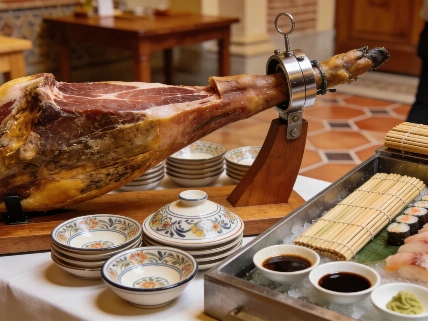
Móstoles Desarrollo sets a four-year catering budget ceiling of €880,000 for events. The structure covers sushi, jamón with live carving and other gourmet stations. The opposition questions the public benefit of the spending.
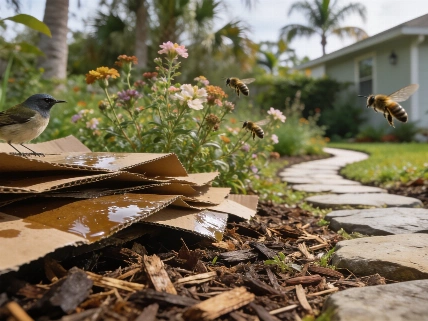
A Florida resident replaced his front lawn with cardboard and mulch beneath native plants, creating a low-maintenance garden that attracts pollinators and birds. Inspired by local ecosystems, the project also features edible species and stone pathways.
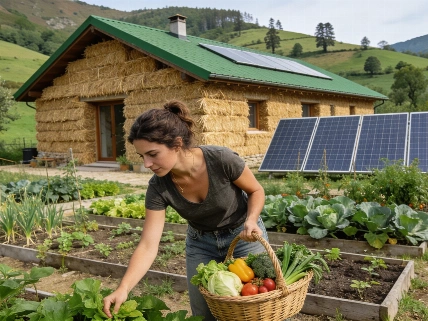
In the Karrantza valley, Erika Yurre’s family left city life behind to build a straw-bale house powered by solar panels and surrounded by their own vegetable garden. Their approach has cut expenses and changed their daily routine, showing what’s possible with local materials and careful planning.
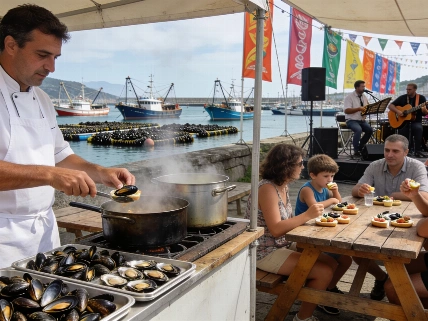
From August 14 to 16, Cabo de Cruz in Galicia will host the XVIII Exaltación do Mexillón, distributing more than 3,000 kilos of mussels to local bars and restaurants. The festival features free tapas and live cooking, plus concerts and traditional boat races.
From August 12, the EU enforces strict limits on PFAS in food packaging, changing requirements for manufacturers and importers. The regulation also sets the stage for harmonized labeling by 2028 and tighter design and recycling rules by 2030.
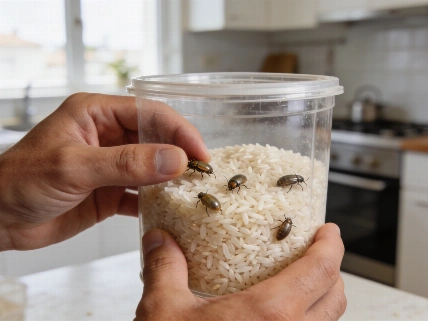
Small beetles such as weevils can hide for weeks inside rice and cereals, contaminating food without being noticed. Rising summer temperatures in Spain create ideal conditions for these pests to thrive. Here’s how to spot, eliminate, and prevent infestations before they spread.
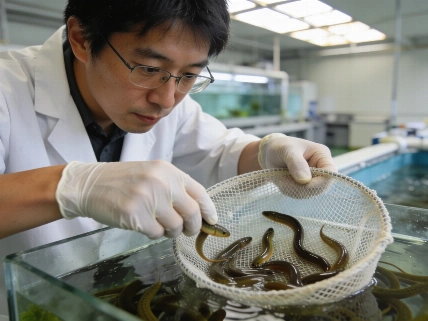
Aichi researchers have developed a soy-based feed that shifts the sex ratio of farmed Japanese eels, producing larger, more valuable females. The discovery could reshape aquaculture practices and boost yields, though its effects are species-specific.
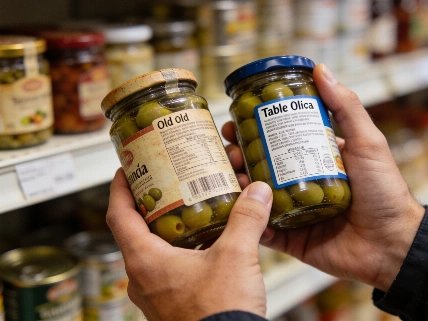
From March 2026, Spanish supermarkets must update labels on table olives and vinegars. The new law requires clearer ingredient lists and presentation details, while older stock can be sold for up to a year. Shoppers will see both old and new labels during the transition.
Publix saw modest sales growth in the second quarter as comparable-store sales fell. Rising food prices and economic pressures are changing how customers shop. Net earnings increased, while the company’s internal stock value dropped.
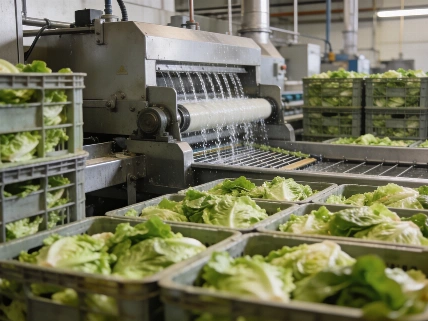
Two people in Michigan have died after contracting Cyclospora from contaminated lettuce. These are the first recorded deaths in the US linked to the parasite. Health authorities are investigating the outbreak’s source and scale.
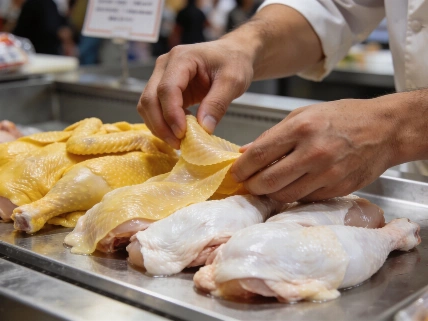
A chicken’s skin color is shaped by its diet, not its quality or freshness. Yellow- and white-skinned chickens can be equally nutritious; the differences come down to feed and genetics, as well as how the bird was raised. Here’s what matters when choosing chicken at the market.
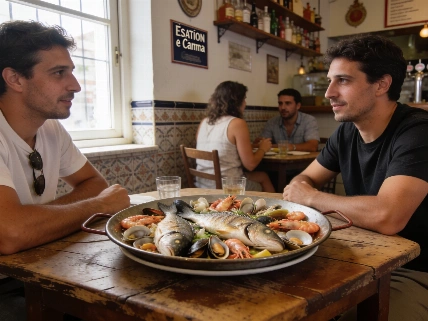
Galymar, a well-known bar in Estación de Cártama, has relaunched its €10 seafood platter after last summer’s success. The menu also features fish dishes from €6, grilled platters for €15, and homemade desserts starting at €4. The offer is available for dine-in only.
San Sebastián’s mayor has declared the ban on street solidarity dinners for the homeless final. Volunteers are urging the city to suspend the measure until a social dining facility opens. The decision has sparked strong reactions.
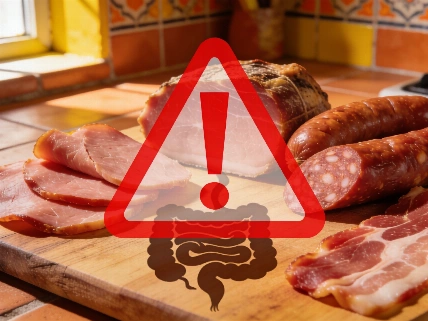
A major Spanish-led study links higher daily processed meat consumption to an increased risk of digestive cancers. Even modest increases in intake were associated with measurable risk changes, a reason for dietary caution.
San Sebastián's mayor has abruptly banned volunteer-run street dinners for the homeless, citing hygiene and public order. Over 300 people lose access to nightly meals. The city promises expanded official support, but criticism mounts.
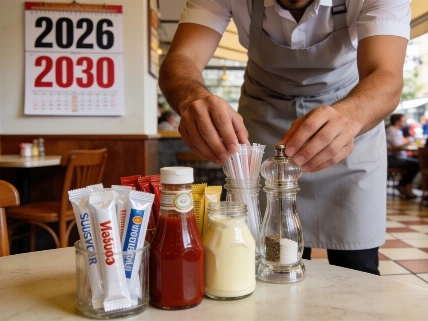
From August 2026, Spain’s hospitality sector must adapt to sweeping EU packaging regulations. Most single-use plastic sachets will be banned by 2030, though some exceptions remain. Businesses are already seeking alternatives that comply with the rules and maintain food safety.
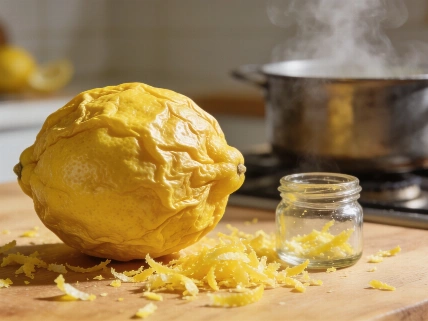
A lemon that has dried out and hardened is not necessarily destined for the bin. Even when the juice is gone, its peel and aroma can still be put to good use in the kitchen and around the house. Here’s how to reuse dried lemons safely and why it matters.
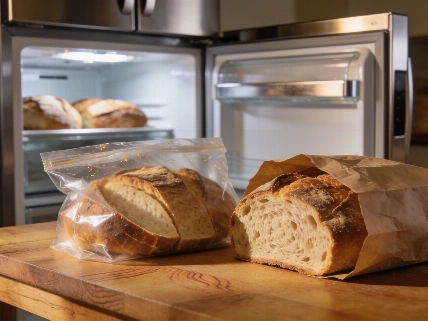
Bread can go stale quickly when stored improperly, and leading bakers say many people choose the wrong method. They recommend plastic for storage and freezing bread that will not be eaten the same day, helping preserve its texture and flavor while reducing household food waste.
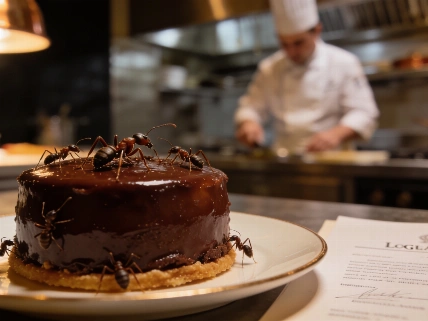
A Seoul restaurant owner with two Michelin stars was fined after prosecutors accused him of illegally using ants as a dessert garnish. The case shows how South Korea’s food-safety rules treat unapproved ingredients.