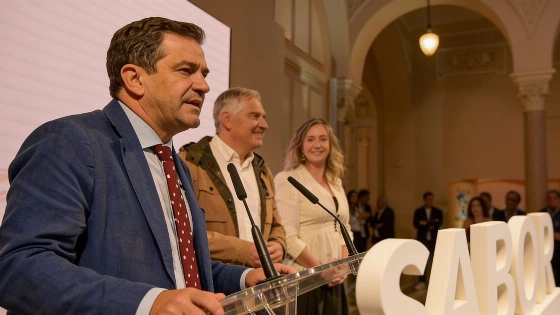
Ciudad Real hosts the IV Jornadas de Destinos Enogastronómicos, where top voices debate how local food and wine can fuel tourism and rural growth. The event puts the region at the center of Spain’s culinary travel ambitions.
Ciudad Real saw more than 450,000 visitors last year. That number now sets the pace for Spain’s food tourism push. This week, the city takes center stage as it welcomes the IV Jornadas de Destinos Enogastronómicos—a summit built to tackle the real-world hurdles and opportunities facing enogastronomic travel across Spain.
Saborea España organized the event under the theme 'Destinos con origen', tying it to the Sabor Quijote initiative. The gathering has pulled in professionals and officials from all over the country. Their goal: figure out how local food, wine, and farm products can do more than spark regional pride. They want these products to pull in visitors and help rural areas thrive.
По данным INE, в августе 2026 года 63,4% совокупных туристических расходов в Испании пришлось на туристов, проживавших в гостиницах, а их расходы выросли на 7,4% по сравнению с прошлым годом.
Francisco Cañizares, mayor of Ciudad Real, opened the summit by pointing to the economic punch tourism packs and the pride locals feel in their food traditions. The city council said Cañizares thanked Saborea España for picking Ciudad Real as host, and he called out how local products and history shape the city’s character and draw.
The main debate zeroed in on unity. Miguel Ángel Valverde, president of the Diputación de Ciudad Real, said Spain needs a joined-up strategy that links tourism, food, farm products, and wine culture. He argued that tourism policy should be treated as a national priority because it brings wealth and well-being, especially to rural towns. Valverde pointed to the city’s 770,000 overnight stays last year as proof that travelers are starting to look beyond the coast and head inland.
Blanca Jiménez, who leads the Asociación de Destinos Turísticos Enogastronómicos de Saborea España, set the tone for the days ahead. She said the product itself—what’s grown, cooked, and poured—has to be the starting point for any real tourist experience. Jiménez argued that the flavors and traditions of each place are what truly set it apart and pull in visitors. She sees Ciudad Real’s farmland as the perfect backdrop to show how food can win over even the pickiest traveler.
Согласно данным FRONTUR за август 2026 года, официальная туристическая статистика Испании не включает транзитных путешественников и однодневных посетителей без ночёвки, поэтому такие показатели, как число посетителей и количество ночёвок, требуют уточнения методики подсчёта для корректного сопоставления.
Blanca Fernández, the Junta’s delegate in Ciudad Real, doubled down on the message. She said high-quality local products are now a key part of what Castilla-La Mancha offers tourists. Fernández pointed out that the 27 destinations in Saborea España chose Ciudad Real for a reason: it puts the city at the heart of Spain’s food map and gives the province and region a shot to show what they can do as top inland destinations.
One thing is clear from this summit: Spain’s shot at becoming a food tourism powerhouse depends on teamwork between government and business, and on keeping the focus on real, local products. The numbers from Ciudad Real aren’t just stats—they show that travelers want genuine experiences rooted in place and tradition. The industry now faces the task of turning this momentum into steady economic and social gains for communities across Spain. Gastronomy is no longer just a side dish for tourism; it’s now seen as a core part of regional identity and economic planning.