Austria and Algeria meet in a match where a draw benefits both. The outcome will determine Spain’s rival in the round of 16. Central European media speculate on possible strategies and group dynamics.
The final group stage match between Austria and Algeria has become a focal point of debate, with both teams aware that a draw would secure their progression. The result of this encounter will directly decide which team faces Spain in the round of 16, intensifying scrutiny from both fans and media across Europe.
Central European outlets have openly questioned whether Austria might consider a tactical approach to avoid a direct clash with Spain in the next round. The backdrop to this speculation is the lingering memory of the so-called ‘escándalo de Gijón’, which continues to influence perceptions of fairness and competition in international football. The possibility of a calculated result has not gone unnoticed, especially as Algeria seeks to move past past controversies.
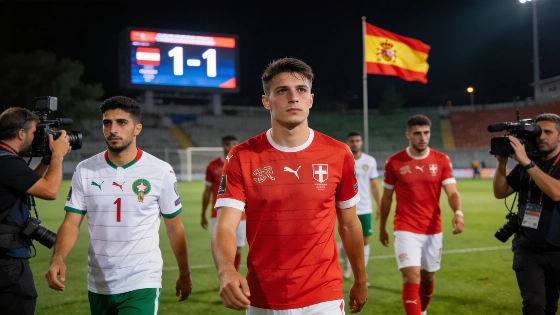
In the hours leading up to the match, Algerian players were seen taking a relaxed walk, a scene that has been widely discussed in the press. The atmosphere remains tense, with both teams fully aware of the stakes and the potential implications for the tournament’s knockout phase. The scenario recalls previous high-stakes group matches where strategic decisions have shaped the path to the finals, as seen in other recent tournaments. For further context on how group stage dynamics can spark debate, see the coverage of public reaction during the Spain-Uruguay match in Mexico, where a tribute was disrupted and drew widespread attention: public reaction during the Spain-Uruguay match in Mexico.
As the match approaches, attention remains fixed on the possible outcomes and their impact on Spain’s tournament journey. The structure of the group means that finishing first or second could lead to very different opponents, making every decision on the pitch potentially decisive. The ongoing discussion highlights how group stage strategies continue to shape the narrative of major football tournaments, especially when past incidents still resonate with teams and supporters alike.
For context, the ‘escándalo de Gijón’ refers to the controversial 1982 World Cup match between West Germany and Austria, which ended in a result that benefited both teams and eliminated Algeria. Since then, FIFA has implemented measures to reduce the risk of similar situations, such as scheduling final group matches simultaneously. However, the possibility of mutually beneficial outcomes remains a topic of discussion whenever group standings are at stake. The outcome of Austria vs Algeria will not only determine Spain’s next opponent but also test the spirit of competition in the current tournament format.