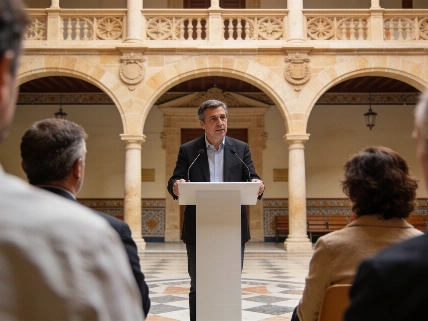
Feijóo pledges tougher borders and one million homes
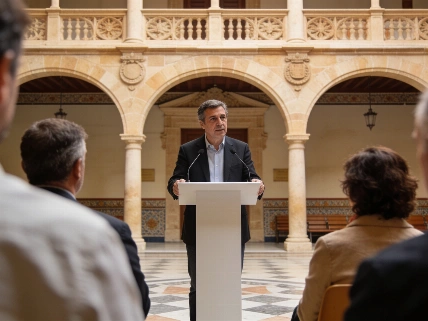
At a Palma rally, Alberto Núñez Feijóo pledged a plan for the Balearic maritime frontier and promised one million homes if the PP enters government. He urged supporters to turn out on 29 November.
At a rally in Palma, Alberto Núñez Feijóo pledged tougher action on migration and crime. His proposed permanent Frontex presence on the Algeria-to-Balearic route would require an operational plan agreed with the agency.
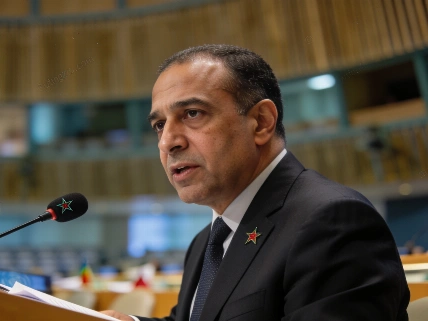
Morocco says the Western Sahara dispute has entered an irreversible phase. Foreign Minister Nasser Bourita tied the claim to a 2025 Security Council resolution and rejected a return to the status quo.
Morocco has secured fresh support from the United States and Israel for its autonomy plan in Western Sahara. The three countries will deepen security cooperation and expand ties in trade, technology and diplomacy.
Spain has approved a law restoring citizenship to Sahrawis born in Western Sahara. Deputy Tesh Sidi is now focusing on the risks of artificial intelligence, calling it a greater danger than fascism. The move signals a new phase in Spain’s digital and migration policy.
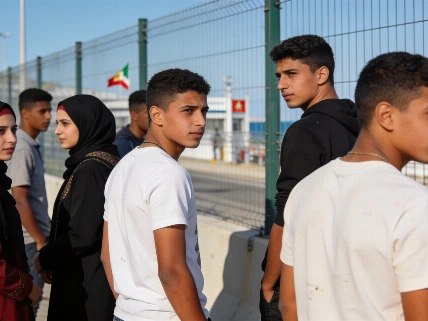
As thousands crossed into Ceuta during Morocco’s basic holiday, King Mohamed VI remained out of sight. His continued silence during social and migration crises is fueling new debate.
Morocco has secured unprecedented support from the US and Israel, reshaping the Western Sahara dispute. Spain faces renewed pressure over Ceuta and Melilla as Rabat asserts itself on the international stage.
Two Spanish police officers stationed in Algeria have confessed to harassing a colleague. One admitted to sexual harassment. Both will avoid prison after a plea deal. The case has raised concerns about embassy oversight and internal accountability.
A major cyberattack by the Jabaroot group has exposed personal data belonging to Moroccan officials. The leak coincides with the Ceuta migration crisis and raises fresh questions about internal security and political struggles.
Ceuta’s recent migrant crisis has led to an unprecedented spike in racist and xenophobic hate speech on social media. Government monitoring shows that daily hate messages more than doubled, raising concerns about digital and street-level tensions.
Morocco has eased visa rules for several African countries, aiming to boost regional ties. At the same time, Rabat openly challenges Spain’s approach to regularising undocumented migrants. The shift comes amid rising migration pressures at the Ceuta border.
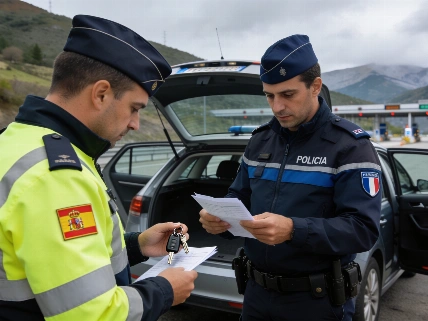
A joint police operation has broken up a group transporting migrants from Alicante to the French border. Three suspects are in custody. Authorities estimate the network earned around €100,000 from over 20 trips.
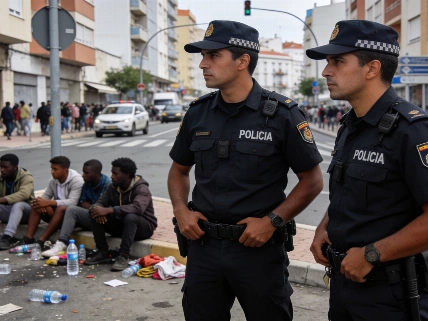
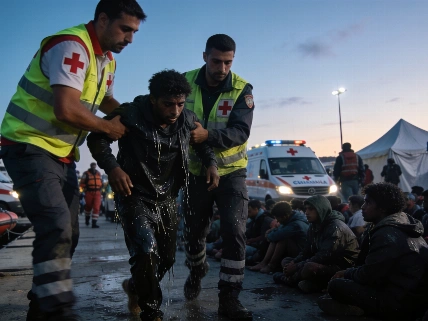
A makeshift migrant camp on Ceuta’s El Trampolín beach is growing rapidly. Self-organised services and daily routines have emerged, alongside tensions and unsanitary conditions. The situation highlights ongoing migration pressures.
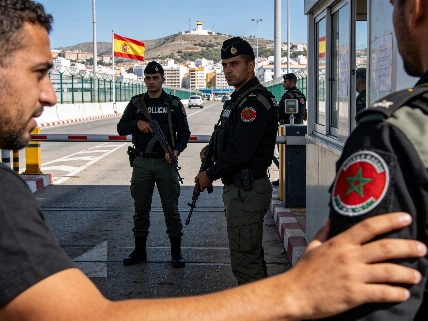
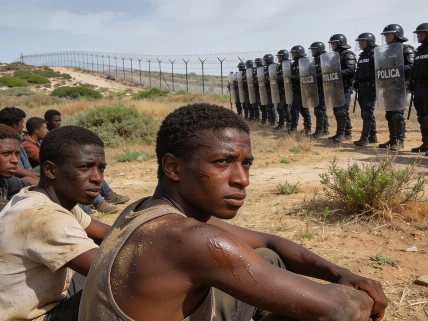
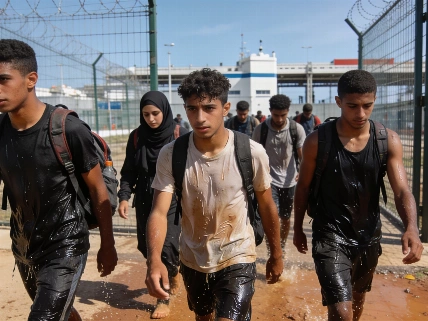
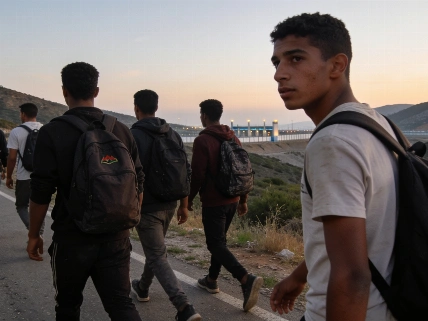
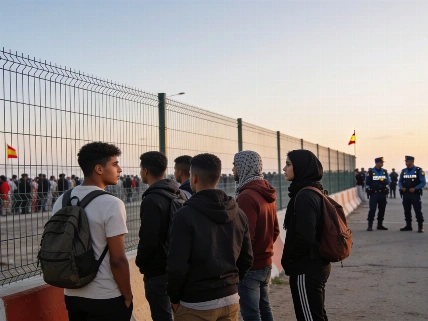
Moroccan authorities stopped hundreds of migrants from reaching Ceuta. A major police operation sealed the border, preventing a repeat of July's mass entry. Spain maintains reinforced security in the area.
The 2027 total solar eclipse will cross a much smaller area in southern Spain. Authorities expect intense travel and accommodation demand, along with pressure on safety measures, testing local infrastructure during peak tourist season.
A wave of misleading social media posts drew thousands to Ceuta’s border, as viral videos and rumors of an open crossing triggered a sudden influx. Moroccan authorities now link the crisis to organized digital networks.
Moroccan writer Tahar Ben Jelloun questions why authorities allowed thousands of young people to head toward Ceuta. He warns of political consequences for Spain and points to European hypocrisy over migration.
A detailed analysis finds the July mass crossing into Ceuta was planned and coordinated. Organizers used social media to recruit participants and conceal their identities. Economic motives and new tactics are complicating detection.
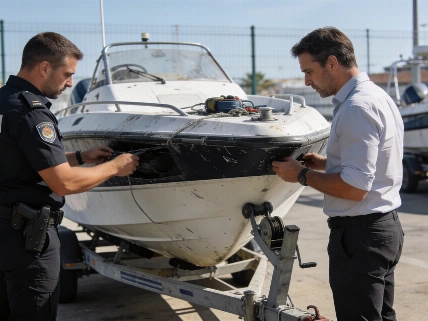
Spanish police have broken up a large-scale migrant smuggling ring. The group transported more than 2,000 people and earned over €24 million. Authorities seized high-speed boats and arrested 78 suspects.
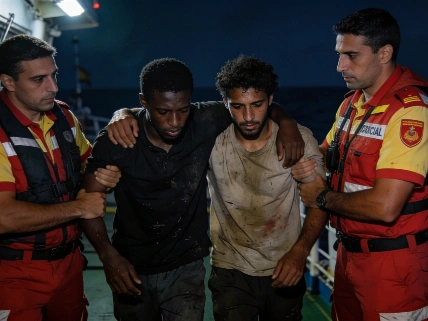
A boat carrying 19 migrants was found adrift near Mallorca. Only two survived after 15 days at sea, and authorities report that the bodies of 17 victims were thrown overboard. The incident has sparked political criticism.
More than 40,000 people entered Ceuta from Morocco in 24 hours. Sánchez called the influx a violation of Spain’s territorial integrity. The government is considering new barriers and legal changes to manage the crisis.
Morocco faces mounting criticism as young migrants risk their lives to reach Ceuta. Families remain in the dark about their children’s fate, while authorities in Rabat avoid direct action amid growing social tension.
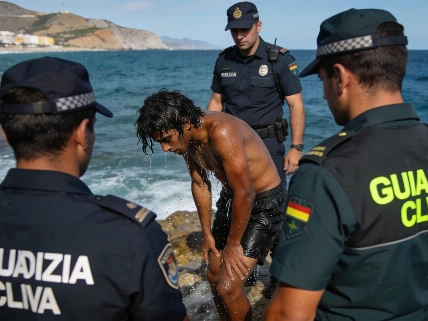
Spain's Supreme Court has ruled that immediate border expulsions cannot be used against migrants intercepted at sea while swimming to Ceuta or Melilla. The decision clarifies the limits of the express return policy at the Spanish-Moroccan border.
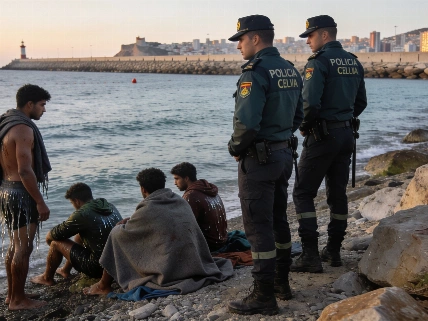
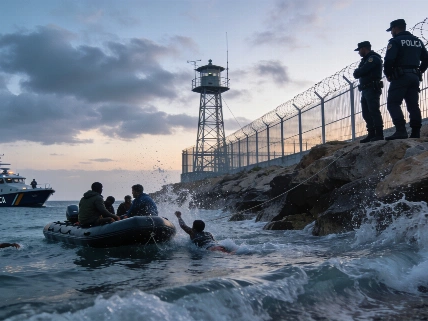
Ceuta faces mounting pressure after 47 migrants reached its shores in a single day. Local authorities warn that arrivals are overwhelming emergency and reception services and pushing the system toward collapse, exposing urgent gaps in coordination.
A basic parliamentary vote advanced a proposal to grant Spanish nationality to Sahrawis born in the former colony and their descendants. The PP’s abstention proved decisive at the committee stage. The full Congress approved the measure in September, but the Cortes dissolved before the Senate completed its review.
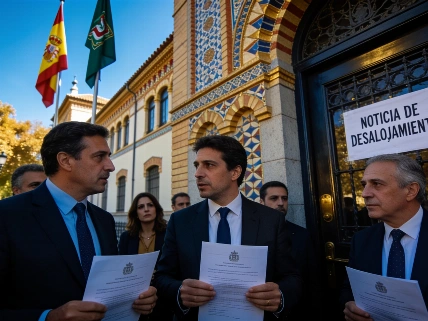
Seventeen Arab ambassadors have urged Spain’s government to prevent Casa Árabe’s eviction from its Madrid headquarters. The city council cites the need for urgent repairs, while diplomats warn that a move could damage Spain-Arab relations.
Pedro Sánchez travels to Algiers seeking to secure more gas for Spain and close a chapter in a diplomatic crisis sparked by Madrid’s position on the Sahara. Talks will also address Spanish business interests and regional security.
A joint police operation has dismantled a criminal network moving migrants and drugs between Algeria and Spain. The investigation began after 12 people disappeared at sea. Authorities arrested 20 suspects and seized boats and cash, along with narcotics.
Spain's Supreme Court has ruled that immediate border returns cannot be used for migrants intercepted at sea near Ceuta and Melilla. The measure applies only to people who physically cross land barriers.
Lionel Messi has become the all-time top scorer in World Cup history with 20 goals. At 39, he extends his lead over Mbappé and breaks multiple records. His achievement reshapes the tournament's legacy.
Police in Valencia have arrested four workers on suspicion of negligence after a fire in Benicalap forced 80 residents to evacuate. The arrests support the Roma family's claim that they were not responsible.
Johan Manzambi delivered a standout performance for Switzerland, recording three goals and two assists in four World Cup matches. His impressive assist against Algeria secured Switzerland's place in the round of 16. The European side now awaits its next opponent.
Switzerland and Algeria are scheduled to meet at BC Place in Vancouver on July 2, 2026. The fixture follows their group-stage matches, with both teams’ progress determining their tournament positions.
FIFA’s indexed 2026 coverage does not confirm a Switzerland-Algeria match in Vancouver. Both teams reached the round of 16 in 2014. Johan Manzambi is named in the supplied account, but official tournament material does not verify his role.
Spain beat Austria 3-0 in a World Cup knockout match on 2 July. Mikel Oyarzabal scored twice, and Pedro Porro added a goal. Spain went on to win four more knockout ties.