A wave of misleading social media posts led thousands to Ceuta’s border. Viral videos and rumors about an open crossing triggered a sudden influx. Moroccan authorities now link the crisis to organized digital networks.
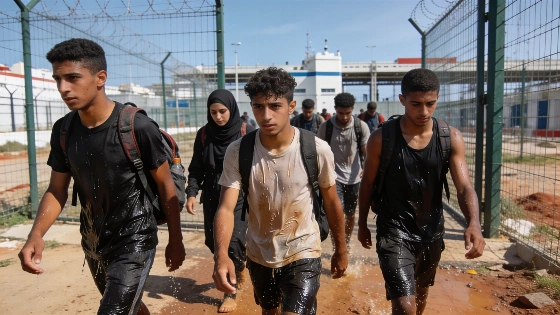
Thousands of young migrants surged toward Ceuta’s border in late July after a flood of misleading social media posts claimed the crossing was open and unguarded. According to a detailed study by Moroccan IT specialist Maruán L. Alaui, viral videos showing successful entries—some viewed over 32 million times—convinced many that the route was safe and accessible. The phenomenon coincided with a rare lapse in Moroccan border security and a low tide, turning the usually dangerous passage into a walkable path for several hours.
Alaui’s research, based on real-time monitoring of Instagram, TikTok, and messaging groups, found that rumors distorted a Spanish Supreme Court ruling on migrant expulsions, fueling the belief that entry into Ceuta was now possible without documentation. The first images of smiling young women arriving in Ceuta quickly spread, reinforcing the idea of an immediate and humane route compared to the risks of crossing the Mediterranean by boat.
In the days leading up to the mass crossing on July 30 and 31, digital forums and private messaging groups became hubs for sharing logistics, contacts, and even price lists for paid crossings. Public calls to cross the border circulated widely on WhatsApp, Facebook, and Instagram, with phrases like “Spain has opened the door” gaining traction. By midday on July 30, as security forces stood down, the number of crossings escalated from hundreds to thousands within hours.
Morocco’s National Human Rights Council (CNDH) later confirmed that digital groups played a central role in coordinating the crossings, including the sale of swimming and diving equipment and real-time updates on routes from Tangier and Tetouan. The CNDH also reported the presence of foreign accounts within Moroccan groups, suggesting possible links to human trafficking networks. While the official report did not name specific countries, Moroccan state media pointed to Algeria as a suspected instigator, and the European Union noted that Russian-linked channels amplified the crisis online. Brussels is now investigating whether a coordinated disinformation campaign contributed to the chaos at the Ceuta border.
Despite the scale of the event, Alaui’s analysis found no direct evidence that governments, political parties, or media outlets orchestrated the mobilization. Instead, the manipulated promise of an open border, amplified by credible reports of successful crossings, created a powerful digital momentum. The absence of police intervention at a critical moment allowed the situation to escalate rapidly. As noted in a related investigation by russpain.com, the use of social media for recruitment and coordination has complicated efforts to manage and predict such migration surges.
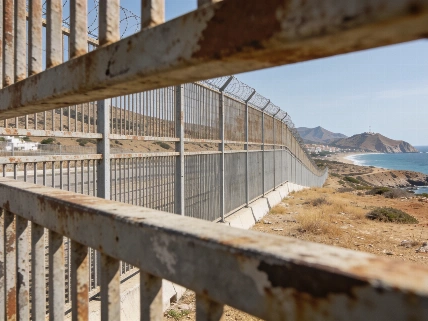
Ceuta, a Spanish enclave on the North African coast, has long been a focal point for irregular migration from Morocco and beyond. The events of July 2026 highlighted how quickly digital misinformation can translate into real-world consequences at Europe’s borders. In response, Spanish and Moroccan authorities have tightened controls and increased monitoring of online activity linked to migration networks. The episode underscores the growing challenge of managing border security in an era where viral content can override official policy and physical barriers within hours.