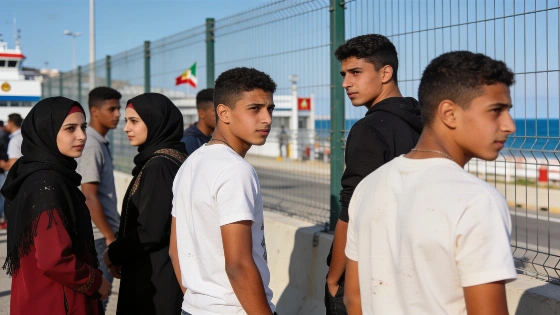
As thousands crossed into Ceuta during Morocco’s main holiday, King Mohamed VI remained out of sight. His continued silence during social and migration crises is fueling new debate.
В 27-ю годовщину правления Мухаммеда VI на северной границе Марокко вспыхнул хаос. Десятки тысяч молодых марокканцев хлынули в Сеуту, создав соответствующие миграционные кризисы в Испании на последних этапах. Король, обладавший широкими исполнительными полномочиями, не появился публично и не прокомментировал ситуацию, вместо этого продолжая свой летний отдых на средиземноморском побережье. Благодаря причинам, возникшим на границах Сеуты, в нем приняло участие от 70 000 до 80 000 человек, что стало событием крупнейшего глобального глобального глобального кризиса за последнее время. Национальный суд Испании возбудил уголовное расследование июльского кризиса, который может пролить свет на роль марокканских властей.
Эта модель молчания хорошо хранится. В последние годы Мухаммед VI стал реже появляться в обществе, несмотря на растущие протесты, экономическую динамику и повторяющиеся волны движения в Марокко. Он управляет страной на расстоянии, редко включается и оставляет принятие решений на уровне общественности небольшой группы доверенных советников. Его последнее личное интервью для СМИ состоялось в 2005 году, что резко контрастирует с позицией его отца, Хасаны II, который регулярно общался с прессой.
Рассекреченные доклады испанской разведки о том, что власти были предупреждены о массовом пересечении границы с Сеутой за день до начала обрушения.
Несмотря на свою негласность, власть Мухаммеда VI абсолютна. Он лично курирует военные вопросы, безопасность и внешнюю политику, в то время как королевский кабинет и близкие ему лица, такие как Фуад Али эль-Химма и Абделатиф Хамучи, занимаются повседневными делами. Король также является религиозным лидером Марокко. Даже после конституционной реформы 2011 года он сохранил прямое руководство обороной, безопасностью, ограниченностью и дипломатией, оставив премьер-министрскую революцию. Недавние сообщения подтверждают, что монархия остается истинным центром власти, особенно в международных организациях, внешней политике и религии.
С момента восшествия на престол Мухаммеда VI в 1999 году в Марокко претерпело значительные изменения. Сейчас в стране есть единые в главном направлении поезда, современные автомагистрали и сеть 5G. Крупные проекты, такие как порт Танжер-Мед и новые терминалы в Даджле и Надоре, помогли Марокко стать региональным экономическим центром. В настоящее время Марокко является крупнейшим автомобильным экспортером в ЕС, опережая Японию. Но за последние достижения раскрывается глубина цвета: 10% самых богатых марокканцев контролируют в одиннадцать раз больше богатства, чем 10% самых бедных, а сельские районы по-прежнему значительно отстают от базовых.
В отчетах испанской полиции и просочившихся в прессу документах содержится предполагаемая пассивность марокканских пограничных сил во время кризиса в Сеуте, при этом некоторые источники предполагают возможное сотрудничество одного подразделения. Однако министерство иностранных дел Марокко официально отвергает какую-либо причастность, призывая не делать никаких выводов для завершения расследования.
Социальная напряженность накалялась не раз. В регионе Риф в 2016 и 2017 годах прошли крупные протесты, приведшие к сотням арестов. В 2025 году молодые люди по всей стране вышли на демонстрации за улучшение здравоохранения, образования и борьбу с коррупцией. Государство отреагировало быстро и жестко: более 1500 человек были привлечены к ответственности, трое убиты полицией в Агадире, а сроки заключения достигли 15 лет. Участие короля ограничилось выборочными помилованиями, без публичных заявлений.
Migration pressure remains high. The Arab Barometer found that 35% of Moroccans have considered leaving for Europe or North America, and more than half would migrate irregularly. The Ceuta border incident happened during Morocco’s most important national holiday, but the king made no official comment. Instead, he led a religious ceremony in Rabat, where historical claims to Spanish enclaves were hinted at. The European Commission reports that Spain received €114.7 million in emergency aid to manage the Ceuta situation, showing that the EU sees the crisis as a European problem.
Mohamed VI’s personal life has also drawn attention. He was educated in Morocco and France, speaks several languages, survived a coup attempt as a child, and married Salma Bennani, the first commoner to become a princess in the Alawite dynasty. Their divorce in 2018 did not change her public role as mother to the heir, Hasán, and his sister Lala Jadiya. The king’s health has declined after two heart surgeries and accidents that affected his mobility, further limiting his public presence.
В начале своего правления Мухаммед VI провел реформы, в том числе изменения в Семейном кодексе, которые улучшили права женщин, но оставили лазейки для полигамии и детских браков. Новая редакция кодекса застопорилась с 2024 года. Бизнес-интересы королевской семьи, управляемые фондом «Аль-Мада», доминируют в таких секторах, как банковское дело и супермаркеты, а по оценке Forbes, активы превышают 5 миллиардов евро.
На дипломатическом фронте Мохаммед VI добился важных побед. В 2020 году США признали суверенитет Марокко над Западной Сахарой, а в 2022 году Испания изменила свою позицию, поддержав план автономии Марокко для этой территории, оттеснив на второй план Фронт Полисарио и Алжир. Эти шаги укрепили международный авторитет Марокко, но не смягчили внутреннее недовольство.
Даже когда король проводит месяцы за границей — во Франции, Габоне и ОАЭ — его популярность на родине остается высокой. Многие марокканцы по-прежнему видят в нем высшую власть, тихую фигуру, предпочитающую действовать за кулисами. Но его привычка избегать прямого участия во время кризисов, от ситуации на границе Сеуты до молодежных протестов, указывает на то, что монархия все больше отдаляется от повседневной жизни в Марокко.
При правлении Мухаммеда VI Марокко преобразилось, но сейчас страна расколота между современностью и застоем, процветанием и изоляцией. Стиль правления короля, основанный на молчании и избирательном вмешательстве, принес стабильность и рост, но ценой прозрачности и доверия населения. По мере роста миграции и продолжающихся беспорядков остается неясным, как долго молчание короля сможет удерживать страну от распада.