Morocco has eased visa rules for several African countries, aiming to boost regional ties. At the same time, Rabat openly challenges Spain’s approach to regularising undocumented migrants. The shift comes amid rising migration pressures at the Ceuta border.
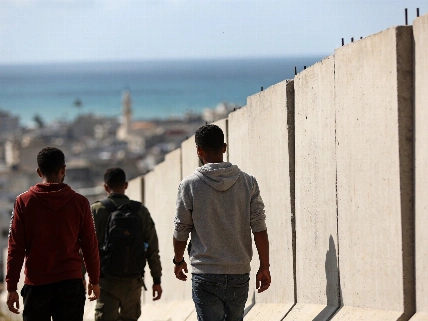
Morocco has sharply criticised Spain’s recent regularisation of undocumented workers, blaming it for a surge in attempted crossings at the Ceuta border. At the same time, Rabat is quietly transforming its own migration policy, granting visa exemptions to citizens from a growing list of African nations and positioning itself as a destination, not just a transit point, for thousands of sub-Saharan migrants.
Justice Minister Abdelatif Uahbi has publicly questioned Spain’s decision to accept and regularise migrants who entered irregularly, suggesting it triggered a so-called “pull effect” that saw around 80,000 people approach Ceuta’s frontier in late July. While Morocco continues to block many from reaching Europe, Uahbi did not mention that his own government has regularised over 50,000 migrants since 2014, most of them sub-Saharan Africans now working in sectors like canning, tourism, and agriculture.
Since 2014, Morocco has implemented two major regularisation campaigns, making it the first African country to do so on such a scale. In parallel, Rabat has lifted visa requirements for nationals from at least ten African countries, including Burkina Faso, Côte d’Ivoire, and, since April, Mali—countries that are major sources of economic migrants and refugees. The Kirikou Association, which supports sub-Saharan children and receives state funding, highlights Morocco’s new legal framework as a turning point in its approach to African migration.
Morocco’s visa policy shift is closely linked to its broader diplomatic strategy in Africa, especially regarding the Western Sahara dispute. Since 2017, when Morocco rejoined the African Union after decades of absence, it has sought to strengthen alliances by easing entry for citizens of Algeria, Tunisia, Senegal, Gabon, Togo, and others. The government has also launched the Atlantic Initiative, offering Sahel countries like Mali, Burkina Faso, Niger, and Chad access to the Atlantic via the new port of Dajla. As reported by official portal Le 360, Morocco is leveraging political diplomacy, investment, and infrastructure projects to cement its role as a gateway between Africa and international markets.
Sub-Saharan migrants now live alongside thousands of African students in Morocco, many of whom receive government scholarships as part of diplomatic outreach. Churches, once abandoned after independence in 1956, have become social hubs for these communities. Yet, life remains precarious for many irregular migrants on the outskirts of Casablanca, Tangier, and Rabat, where they wait for a chance to reach Europe—sometimes risking dangerous crossings or facing police raids that push them further from the Spanish border. According to an analysis by russpain.com, recent mass attempts to enter Ceuta were not spontaneous, but part of a coordinated effort, complicating the situation for both Spanish and Moroccan authorities.
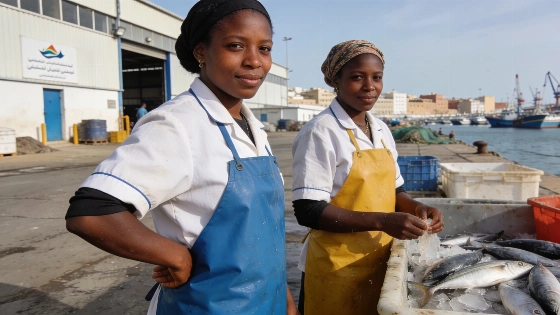
Some migrants have found stable work in sectors where local labour is scarce. At King Pelagique, a major fish processing company near Dajla in Western Sahara, half of the 2,400 employees are sub-Saharan Africans, mostly women, all on formal contracts and earning the minimum wage. The company’s director, Reda Chami, notes the challenge of recruiting local staff for such demanding jobs.
For context, Morocco’s evolving migration policy reflects both domestic needs and regional ambitions. The country’s regularisation drives and visa relaxations are part of a broader effort to build influence in Africa and manage migration flows. Meanwhile, the debate with Spain underscores the complex interplay between national policies and cross-border migration pressures. As the EU and Spain continue to grapple with arrivals at their southern frontier, Morocco’s dual role as both gatekeeper and destination is likely to remain a focal point in the region’s migration dynamics.