Ceuta’s recent migrant crisis has led to an unprecedented spike in racist and xenophobic hate speech on social media. Government monitoring shows daily hate messages more than doubled, raising concerns about digital and street-level tensions.
The recent influx of migrants into Ceuta has unleashed a wave of xenophobic and racist hate speech on Spanish social media, reaching levels not seen in the past year. According to the Government’s Observatorio del Racismo y la Xenofobia (Oberaxe), the number of detected hate messages soared to 78,476 in just 25 days from July 30, averaging 3,139 per day. This figure is more than double the daily average recorded earlier in the year, highlighting the scale of the digital backlash triggered by the crisis.
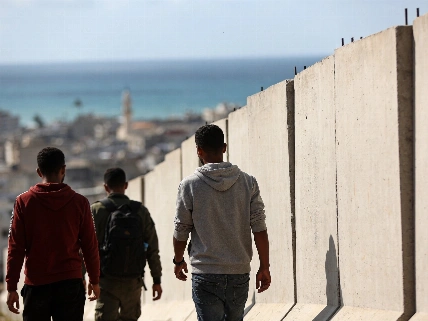
Oberaxe’s AI-based monitoring system revealed that only the Torre Pacheco riots in Murcia last summer produced a higher monthly total, when hate messages peaked at nearly 193,000. In the first three days of the Ceuta crisis alone, nearly 17,000 hate messages were identified, with August 1 marking the highest single-day count since the Torre Pacheco events. The surge coincided with the arrival of around 80,000 people in Ceuta over two days, overwhelming local infrastructure and sparking intense online hostility.
Tomás Fernández, director of Oberaxe, credits the proactive efforts of social media platforms for preventing even higher numbers. He notes that platforms have been removing hate content both after detection and preemptively, with 41.3% of flagged messages taken down in the last month. Without these interventions, Fernández suggests, the daily peaks could have continued unchecked. Oberaxe contacted platforms at the onset of the crisis, urging heightened vigilance, which helped moderate the escalation, though the volume remained unusually high.
Analysis of daily hate speech detections across Facebook, Instagram, X, TikTok, and YouTube shows a clear link between the Ceuta events and the online spike. In the ten days before the migrant arrivals, daily hate messages averaged just over 1,500 and never exceeded 2,400. On July 30, the count jumped above 4,500, then surpassed 5,800 the next day, and reached 6,615 on August 1. Although numbers have since declined, they remain above normal levels, with fluctuations reflecting ongoing tensions.
Between July 30 and August 9, Oberaxe recorded nearly 44,000 hate messages—equivalent to a typical full month. This pattern, as described by Fernández and supported by research such as the article “Del discurso de odio online a los delitos de odio offline” (Nature, 2024), demonstrates a feedback loop between real-world events and digital hate. Tensions on the ground fuel online hostility, which in turn can spill back into public life, reinforcing the need for close monitoring of social media during crises. A related analysis of the impact on daily life in Ceuta can be found in this report on the city’s ongoing tensions.
Oberaxe data from the past month shows that North Africans were the main targets of hate speech (24%), followed by immigrants in general (24%), Muslims (16%), people of African descent (6%), foreign minors (5%), and Jews (5%). Some messages targeted multiple groups, resulting in totals above 100%. Examples cited by Oberaxe include slurs and dehumanizing language, often blending ethnic and religious hostility, particularly against those perceived as North African or Muslim. The most common theme remains Islamophobia, a trend that predates the current crisis.
Among the triggers for hate messages, public security concerns dominated (56%), followed by criticism of public policies (34%), sexual assault allegations (15%), terrorism (6%), sports-related issues (6%), and the arrival of boats (2%). The Ceuta crisis has unfolded amid rising public concern about immigration, with recent surveys indicating a growing share of Spaniards view immigration as a top issue. While not at its 2024 peak, the trend is upward, and attitudes have hardened, especially among right-leaning voters. The narrative of “massive” or “invasive” migration has gained traction, shaping both online discourse and political debate.
For context, Spain saw its largest drop in migrant arrivals in 2025 since 2019, yet expectations of increased flows remain high. Surveys by Ipsos and 40dB show that negative associations with immigration are widespread, and political divisions over the issue are deepening. The Ceuta crisis, and the digital hate it has unleashed, reflect broader anxieties and underline the importance of coordinated responses from authorities and social platforms alike.