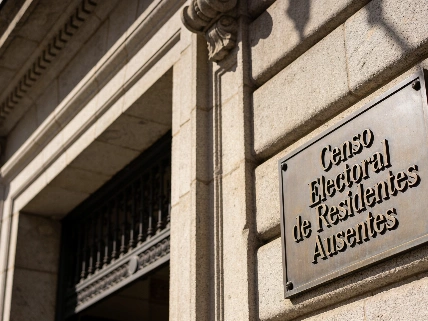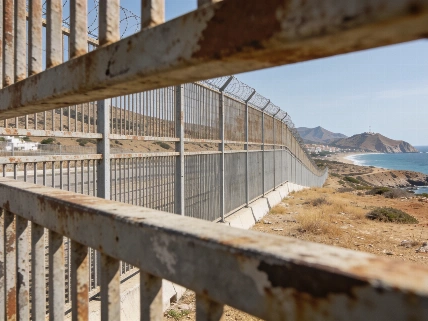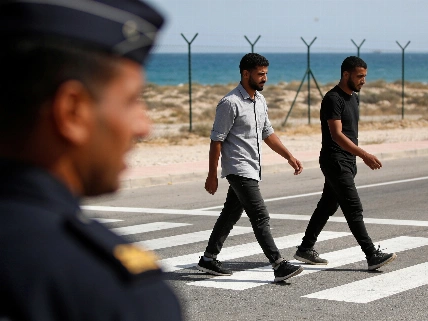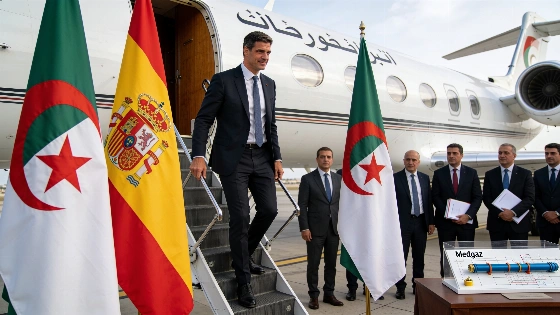
Pedro Sánchez travels to Algiers aiming to secure more gas for Spain and close the chapter on a diplomatic crisis sparked by Madrid’s Sahara stance. Talks will also address Spanish business interests and regional security.
Pedro Sánchez is set to arrive in Algiers this Monday, marking a decisive step in repairing Spain’s relationship with Algeria after more than two years of diplomatic tension. The Spanish prime minister’s visit is focused on negotiating an increase in gas supplies, a move seen as critical for both countries following the 2022 fallout over Spain’s support for Morocco’s position on the Western Sahara.
Sánchez will meet with Algerian Prime Minister Sifi Ghrieb and President Abdelmayid Tebún, accompanied by key Spanish officials including Vice President for Ecological Transition Sara Aagesen and Foreign Minister José Manuel Albares. The delegation also features top executives from Naturgy, Moeve, Repsol, and Enagás, underlining the economic stakes of the trip. The Spanish leader is traveling directly from New York, where he attended the football World Cup final.
Algeria remains Spain’s largest gas supplier, accounting for roughly a third of total imports, while Spain is Algeria’s second-biggest gas customer after Italy. According to sources from La Moncloa, both governments see room to boost deliveries, particularly through the Medgaz pipeline linking Almería and Algeria, which currently has 10% spare capacity. There is also potential to double purchases of liquefied natural gas (LNG). The state-owned Sonatrach and Spain’s Naturgy are bound by long-term contracts until 2030 and jointly operate the Medgaz pipeline, with Sonatrach holding a historic 4% stake in Naturgy.
The talks are expected to set a new framework for cooperation, establishing political guidelines before technical negotiations begin. Sánchez plans to encourage Spanish companies to invest in Algeria and will urge Algerian authorities to ensure favorable conditions for Spanish firms bidding on public contracts. Among the issues on the table are delayed payments to Spanish companies involved in public works, such as Duró Felguera, Técnicas Reunidas, Idom, and Elenor, as well as opportunities in water supply, food, railways, engineering, and defense.
Despite the focus on energy, the agenda extends to regional security and migration. The situation in the Sahel, where military juntas have failed to contain jihadist expansion, will be discussed, as will migration flows. While Algerian cooperation on migration is noted, arrivals to mainland Spain and the Balearic Islands have risen by over 10% in the first five months of the year, contrasting with a sharp drop in arrivals to the Canary Islands. The Sahara issue is not officially on the agenda, but sources do not rule out the possibility that Algerian officials may raise it. Spain’s position remains aligned with the latest UN Security Council resolution.
The process of reconciliation has been gradual. Algeria sent its new ambassador, Abdelfetah Daghmoum, to Madrid in December 2023, and in March, Albares visited Algiers, where President Tebún announced the reactivation of the bilateral friendship treaty, previously frozen at the height of the crisis. In June, Spain was honored as the guest country at the Algiers International Fair (FIA), a gesture highlighted by President Tebún as a sign of restored trust.
Spain’s efforts to stabilize its energy supply and diplomatic relations with Algeria come at a time of heightened global uncertainty. The importance of reliable gas imports has grown, especially as European countries seek alternatives to Russian energy. The Medgaz pipeline, operational since 2011, is a strategic asset for Spain’s energy security. According to RUSSPAIN, recent developments in Spanish foreign policy have drawn increased scrutiny, as seen in other high-profile cases such as the ongoing debate over PSOE leadership, which was recently explored in detail in coverage of internal party tensions.
For Spanish businesses, the normalization of ties with Algeria could unlock new contracts and resolve longstanding payment disputes. For the government, securing additional gas supplies is a priority as domestic demand fluctuates and the energy transition accelerates. The outcome of Sánchez’s visit will be closely watched by both the energy sector and diplomatic observers, as it may set the tone for Spain’s broader engagement in North Africa and the Mediterranean.