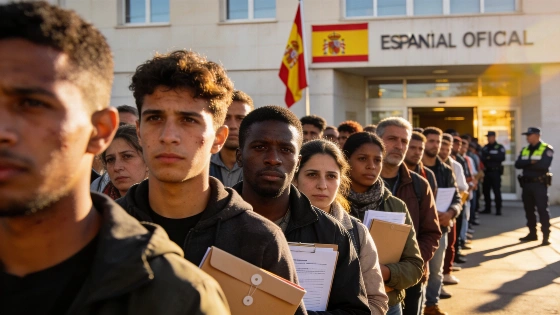
Queues for Legalization: Migrants in Spain Massively Submit Documents. A large-scale campaign for the legalization of migrants has begun in Spain. Hundreds of thousands of foreigners are rushing to submit documents for work and family reunification. The new rules have sparked a frenzy and political debate.
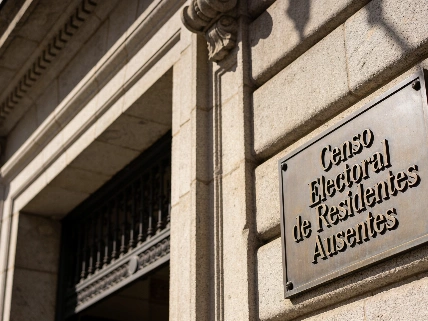
A large-scale wave of migrant legalization has begun in Spain: in just the first ten days, authorities received 130,000 applications and scheduled 55,000 personal appointments for document processing. The new rules allow foreigners residing in the country without authorization to obtain a residence permit and the right to work. For many, this is a chance to come out of the shadows, increase their income, and finally see their loved ones without fear of not being able to return.
Documents and hurdles
The main barrier for most applicants has been the so-called vulnerability certificate — one of three possible documents required to apply for legalization. Getting it is accompanied by long queues and running between municipal and public organizations. According to lawyers, this particular requirement has overloaded the services and slowed the process, although initially it was assumed that obtaining criminal record certificates would be the most difficult part of the procedure.
Migrants without children or a preliminary work contract are forced to prove their vulnerability to qualify for the program. Representatives of organizations assisting foreigners note that most of them already live in exploitative conditions and with low wages, often squeezed into overcrowded apartments and unable to count on protection.
Personal stories and expectations
Among those waiting in lines are seasonal workers, builders, service employees, and caregivers for the elderly. Moroccan Othmane Nahi, who worked in Spain’s fields for ten years, still lives in a shelter and cannot get a permanent job. A couple from Cuba, Frank Daniel Padrón Rojas and Lisandra González, after an unsuccessful attempt to seek asylum, now hope for legalization so they can stay and work officially. For many Latin American women working in domestic service, obtaining legal documents is the only chance to earn a better salary and see their children whom they haven’t seen in years.
In Jaén, where Lilia Lozano from Honduras lives, legalization is seen as an opportunity not only for migrants themselves but also for the country’s economy. She is convinced that migrants’ labor has long been an essential part of elder care and domestic work, and the new regulations will benefit both sides.
Political context and reaction
The government’s decision on mass legalization sparked a sharp reaction from right-wing parties. In several regions, including Extremadura and Aragón, agreements on “national priority” were adopted, fueling further political polarization. Representatives of organizations such as the Comisión Española de Ayuda al Refugiado (CEAR) point out that despite debates, the legalization process was supported by employers, trade unions, the church, and social services—a consensus rarely seen.
Amid political debates, migrants continue to collect paperwork and wait for their turn. For many, this is not only about legal status, but also a chance to finally live without fear and instability. According to the legal community, the number of applicants could exceed half a million by the end of the campaign.
Practical consequences
Mass legalization has already changed daily life in major cities and regions with a high number of migrants. Long lines at municipal offices have become a common sight, and social services are working at full capacity. According to RUSSPAIN, many foreigners have to ask for time off or take leave from work to submit their documents. At the same time, as demonstrated by the recent conflict over emergency services in Pinto, where local authorities are disputing court decisions, issues of integration and resource allocation remain pressing (more on the conflict in Pinto).
In the coming months, the first applications are expected to be reviewed and temporary work and residence permits issued. For thousands of families, this is a chance for stability, and for the economy, an opportunity to legalize the labor market and reduce informal employment.