Barcelona and nearby areas are under orange alert after intense rain caused flash flood warnings, power outages, and major road closures. Authorities urge residents to stay home and follow emergency instructions as the risk of flooding remains high.
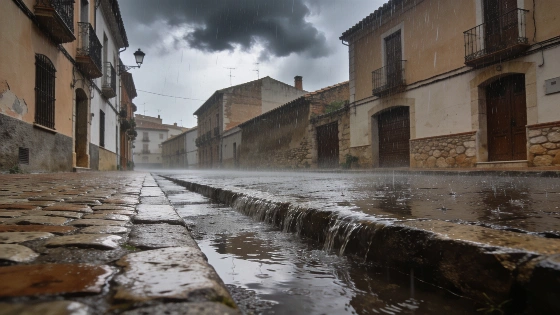
Barcelona went into emergency mode on Wednesday evening after a sudden downpour brought flash flood warnings, power outages, and widespread transport disruption. The Servei Meteorològic de Catalunya issued an orange alert as heavy rain swept through the city and surrounding province, peaking just after 18:00. By 21:30, civil protection officials had escalated their response. According to data from Ara and Moncloa, Protecció Civil activated the Inuncat plan, warning of up to 40 liters per square meter in just 30 minutes, and in some places, 60 to 90 liters per square meter over three hours.
Residents in Barcelonès and Maresme were told to prepare for severe weather over the next two hours. Protecció Civil warned of a real risk of flash flooding and urged people to avoid unnecessary travel, follow official instructions, and call 112 if in danger. The most dangerous period was expected on the evening of September 16 and into the early hours of Thursday, according to Europa Press and betevé.
"Municipal authorities in Barcelona activated a special plan to manage potential overflow of the city’s drainage system, highlighting the risk of urban flooding beyond just suburban areas."
— La Vanguardia
The storm quickly caused problems. Six separate incidents on the electricity grid left nearly 7,700 customers in Barcelona without power, according to the Generalitat. Repair crews were sent out, but the outages showed how vulnerable the city’s infrastructure is during extreme weather. Protecció Civil reported that these disruptions happened during the worst of the storm.
Transport was also affected. The Ajuntament de Barcelona closed the Ronda de Dalt at exits 2 (Llobregat) and 3 (Besòs), and all entry points 1, 2, and 3 (Llobregat) were shut. Emergency teams from Els Bombers de Catalunya and the GUB were sent to the affected areas to prevent further incidents and keep people safe. These closures were part of a wider set of restrictions, as the risk of flooding and infrastructure failure extended beyond Barcelona to Baix Llobregat, Garraf, Alt and Baix Penedès, and Vallès Occidental.
Warnings were not limited to Barcelona. Protecció Civil announced that ES-Alert messages would go out to residents in Baix Llobregat, Garraf, Alt and Baix Penedès, and Vallès Occidental, with the risk of heavy rain lasting until at least 1:00 on Thursday morning. The scale of the alert reflected the unpredictable nature of the storm system moving across much of Catalunya. According to Moncloa and Ara, both coastal and foothill areas were affected.
"Meteorological authorities stressed that the main threat was not just prolonged rain, but locally very high rainfall intensity, which significantly increases the risk of sudden flash floods in riverbeds and low-lying urban zones. Official recommendations were repeatedly issued: limit travel, avoid flood-prone areas, follow emergency instructions, and call 112 in case of danger."
— Ara, Europa Press
Sudden weather emergencies are not new for the region. As reported earlier, Barcelona’s infrastructure and public services have faced repeated stress in recent years, from major events to natural disasters. This latest storm is another test of how well the city can adapt to increasingly unpredictable weather.
The current alert shows how quickly daily life can be disrupted in a densely populated city when severe weather hits. With thousands affected by power cuts and major roads closed, the city’s emergency response is under pressure. Local authorities have shut down key roads, sent out emergency teams, and issued targeted alerts to protect residents. But the frequency and intensity of these incidents suggest Barcelona, like many European cities, will need to keep investing in stronger infrastructure and emergency plans to handle the growing risks from extreme weather.