Imanol Pradales has sharply criticized Madrid for failing to honor agreements with Euskadi. The Basque president warns the Spanish legislature faces a critical moment. Budget delays and unresolved disputes raise the risk of political breakdown.
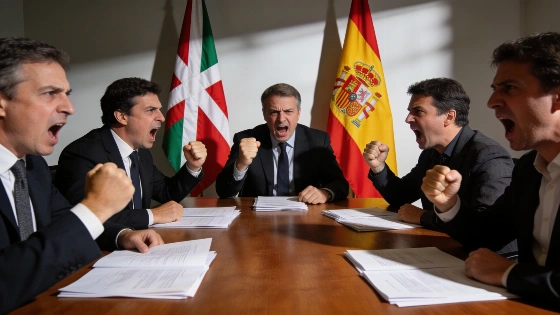
Sharp tensions have erupted between the Basque and Spanish governments as Imanol Pradales, the lehendakari, publicly warned that the Spanish legislature is at a critical juncture. Speaking at Los Desayunos de RTVE and Agencia EFE in Madrid, Pradales accused Pedro Sánchez’s government of failing to deliver on key agreements with Euskadi and described the ongoing legislative deadlock as unsustainable.
Pradales highlighted that, after three years without a new national budget, the lack of progress is undermining confidence in the coalition’s ability to govern. He stressed that unless Sánchez brings order to the remainder of the term, the legislature could face a period of instability and even “disintegration.” The Basque leader’s remarks echo recent statements from PNV figures, including Aitor Esteban and Maribel Vaquero, who have linked the fate of the budget to the possibility of early elections, a scenario pushed by opposition parties PP and Vox.
Beyond the budget impasse, Pradales expressed deep frustration over Madrid’s handling of previously negotiated agreements. He pointed to unresolved issues around social security, ports, and airports, and criticized the lack of concrete proposals from Spanish ministries. According to Pradales, the ongoing negotiations have hit a wall, with the Basque government encountering what he described as a “frontón wall” in talks with Madrid. He called the situation unacceptable and a sign of disrespect, warning that trust between the two governments is eroding rapidly.
The lehendakari also addressed recent corruption scandals affecting the PSOE and the government’s response in Congress, which he described as disappointing and insufficient. He noted that the public expects higher standards of conduct, especially as new judicial cases continue to emerge. Pradales further commented on the situation at Tubos Reunidos, a Basque company entangled in the ‘caso Leire’ investigation, emphasizing that his government’s priority is to secure the company’s future by seeking new investors, despite complications linked to SEPI’s involvement.
On electoral matters, Pradales denied knowledge of any PNV request to avoid a “superdomingo” that would combine general, municipal, and regional elections, but argued that holding separate votes is healthier for democratic participation. He also voiced support for the government’s extraordinary regularization of immigrants and criticized the Ministry of Culture’s refusal to allow the Guernica painting to be exhibited in Euskadi for the 90th anniversary of the bombing.
Pradales opened his remarks with a broader critique of Spain’s political climate, warning that polarization and stagnation in Madrid could have lasting negative effects on future generations. He argued that the lack of necessary reforms and the current atmosphere of confrontation are eroding the trust that holds society together. According to Pradales, reversing this trend is an urgent responsibility for all political leaders.
Spain’s system of autonomous communities grants significant powers to regions like the Basque Country, but disputes over the transfer of additional competencies have long been a source of friction with Madrid. The PNV, as a key player in national coalition politics, often leverages its support in exchange for progress on regional demands. The current standoff over budgets and pending agreements highlights the fragility of these arrangements and the potential for regional discontent to disrupt national governance. As the legislature approaches a decisive phase, the outcome of these negotiations could shape both the immediate political landscape and the longer-term relationship between Euskadi and the central government.