By August 2026, BBVA was working with about 1,060 franchise brands in Spain, roughly eight out of ten in the market. The bank has mobilised €250 million for the entrepreneurs and small companies opening those local businesses.
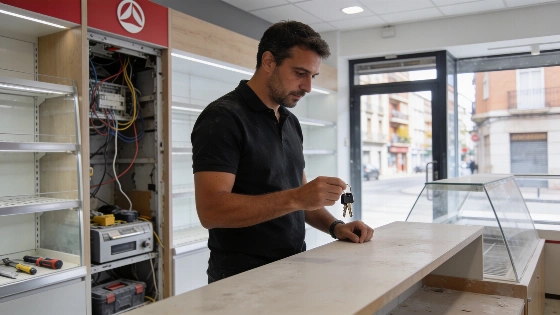
By August 2026, BBVA was working with about 1,060 franchise brands in Spain. The bank puts that reach at roughly eight out of ten brands in the sector. The real borrower is usually not the franchise chain. It is the entrepreneur opening the premises, paying the entry fee and putting the brand's name above the door.
The financing covers the main costs of opening a unit. These include the franchise fee, refurbishment, equipment and working capital for the first months. BBVA's franchise service can support a project from launch through expansion. In restaurant and retail formats, the combined bill can reach six figures, based on sector benchmarks.
By August 2026, BBVA said it worked with about 1,060 franchise brands in Spain, a reach equivalent to roughly 80% of the market by number of brands.
El Diario.es and El Correo Gallego reported the figure. El Correo Gallego also made clear that the programme targets franchisees. Those are the entrepreneurs and small businesses opening individual units, not the franchisors themselves.
The €250 million is only part of BBVA's advantage. Its ties to nearly 80% of franchise brands give it a view of which chains are expanding, which units are closing and where demand is moving. A standardised network also provides comparable information on suppliers, operating processes and margins per square metre.
That changes the credit decision.
According to data from the Asociación Española de la Franquicia cited by Capital Radio, Spain’s franchise sector generated about €28.5 billion in turnover in 2025, equivalent to approximately 1.68% of national GDP. Revenue and employment both increased, underlining the scale of the market that banks are seeking to serve.
Financing a franchisee is different from lending to an independent entrepreneur with no established model. The franchisor has already screened candidates, provided training and offered operational support during the first years. That can give a lender a more comparable portfolio than a group of businesses working without a common structure.
The risk does not disappear. A recognised brand cannot turn a poor location into a profitable business. Restaurants and retail also account for a large share of closures. The network's strength, the support it provides and the individual unit's cash flow still matter.
The market's size helps explain BBVA's focus. El Mundo reported franchise turnover of €28,454 million in 2025. Supermarkets and food and nutrition stores were among the largest segments. Capital Radio and the Asociación Española de la Franquicia also identify food, restaurants and related hospitality formats as important parts of the sector. These areas are natural targets for loans to open new locations.
BBVA is competing with Santander, CaixaBank, Sabadell and Bankinter. All four banks have spent years pursuing small and medium-sized businesses. Franchise finance offers a direct route into that relationship. The customer wants more than a loan. The request usually comes with a business plan tied to a known name.
The loan is just the starting point. A franchisee may also need a current account, a point-of-sale terminal, insurance and payroll services for a small team. That wider package explains why self-employed workers and small companies matter to banks beyond the interest from the original operation.
The strategy also changes the type of security used in small-business credit. Before 2008, property values supported much of that lending. The correction in prices damaged a significant part of the portfolio. Banks now look more closely at business cash flow. It can change quickly, but it gives a direct measure of whether the operation can repay.
At €250 million, the programme remains controlled in relation to BBVA's balance sheet. It gives the bank a visible position in a sector that gathers each year at its main trade fair. Finding franchise brands is no longer the main task. BBVA already reaches eight out of ten networks. Growth now depends on turning that access into more loans for the people who open the shops.
The headline figure is not proof that the model is safe. BBVA has a strong information advantage and a route to long-term relationships with small businesses. Each loan still has to work at the level of one premises. The logo on the network matters less than the cash flow of the local business.