Maruja Torres, acclaimed journalist and author, has delivered a blunt message to Spain’s left-wing parties ahead of the upcoming elections. In a candid interview, she called for unity and urged voters to back the left, while reflecting on her own experiences with age, politics, and the realities of social care.
Maruja Torres did not waste words on Cara al Show. She looked straight at Spain’s left and said what many avoid: “The left needs to unite, once and for all.” At 83, Torres has seen decades of political fights, both abroad and at home. She is done with polite talk. The country faces another election. Her warning is clear. Time is running out.
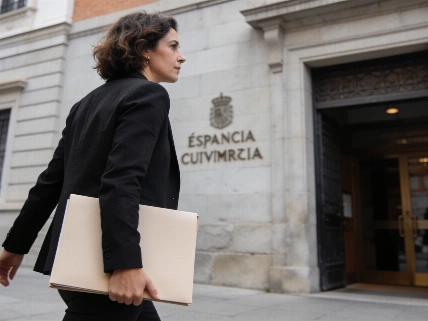
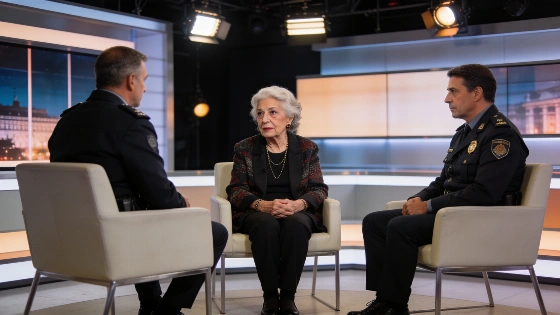
Her entrance set the tone. Torres walked onto the set with two bodyguards. That detail said plenty about her public profile and the tense mood in Spain. The interview moved fast. It started with her new book, 'Cuanta más gente me jode, más buenos momentos tengo', but soon turned to the hard facts of growing old in Madrid. Torres spoke about a recent fall at home. She described the maze of paperwork for dependency aid. “You’re entitled to a button if you live alone after 80,” she said. But the process is full of hurdles. Her verdict was blunt: “Either you’re totally dependent—which costs you dearly—or you’re left to manage alone.”
According to El Confidencial and the official publisher, Torres’s new book is a fresh collection of travel notes and observations written in 2025–2026, released on September 30, 2026.
Torres’s anger at the system is not just personal. She called out Madrid’s leaders for failing the vulnerable. Her story opened up a bigger point. In Spain, the gap between what politicians promise and what people live through is still wide. That gap is not closing.
She did not stop at social policy. When Marc Giró asked about aging, Torres answered with a laugh. “It’s not just a feeling—I am old, and that’s that!” She talked about memory slips and changing priorities. But she misses one thing most. “Reporting was the love of my life,” she said. Journalism came first. Still, she joked, there is room for both a good story and a good time.
The mood shifted when Torres spoke about the Middle East. She has reported from Lebanon. Her view is grim. “Israel is expanding, creating Greater Israel,” she said. She called its actions “limitless voracity.” She warned that the south of Lebanon and Beirut are being “Gaza-ized.” For Torres, Israel’s presence is a “hornet’s nest.” She sees trouble spreading far beyond the region.
In late September 2026, several major Spanish media outlets, including El País and La Vanguardia, reported that Sumar, IU, Comuns, and Más Madrid are in advanced talks to form a unified left-wing bloc for the 2027 general elections under the brand Frente Amplio. While the agreement to run together is public, debates continue over leadership and candidate selection.
Back to Spain. Torres did not dodge the country’s border fights. “Ceuta defines us,” she said. She argued that the enclave’s problems show what Spain and the EU refuse to face. She accused politicians of using migration for their own gain. She singled out the far right. “I mean PP and Vox, because I can’t tell them apart anymore.” Her own family moved from Murcia to Barcelona. For her, migration is part of Spain’s story. It is not a weapon for politics.
The election is close. Torres’s message is simple: “The future is unwritten, despite all the pessimism.” She told people to “get out and vote for the left.” Only unity, she said, can stop more division. Her words match the mood in Spain’s progressive circles. The risk of a split is real. The clock is ticking.
Not every moment was political. The show ended with a nod to Asturias, her adopted home. Torres is Hija Adoptiva there. Bagpipes played as she left the set. It was a personal touch. A quiet tribute for someone who has lived at the edge of public and private life.
Torres’s style is sharp. She names names. She challenges both leaders and institutions. Her directness stands out in Spanish media. It recalls other recent moments of public confrontation, like those described in reports about political tensions at TVE.
Spain is tired. Many feel cynical. Torres’s call for unity is not just a slogan. She demands action. Her criticism comes from lived experience. As Spain heads for another vote, her voice cuts through the noise. The stakes are personal. The divisions are real. Half-measures will not do.