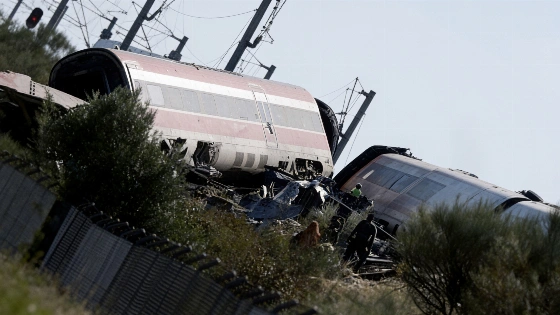
Juan Manuel García Díaz and his fellow builders cut through a fence to reach passengers climbing out of a train in Urda, Toledo. They had been working at a nearby finca when they heard the impact and saw a cloud of dust beside the railway.
Some passengers were breaking windows to get out. García Díaz and his colleagues, all from Los Yébenes, helped those able to leave on foot and called emergency services. The Guardia Civil began arriving soon afterwards.
Residents of Urda and nearby areas also drove to the scene in private cars. They helped evacuate injured people who had managed to leave the trains by themselves. Emergency services and hospitals in neighbouring regions offered staff and equipment. Rescue-dog teams were sent to the collision site as well. More than 500 emergency personnel took part in the overnight response as crews continued searching the wreckage.
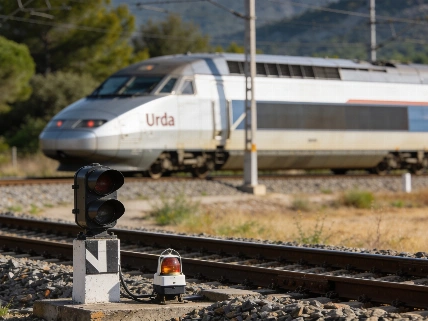
The collision on 28 October involved a Renfe AVE train travelling toward Seville and an Iryo train reported to have been stationary on the track near Urda station. Spain’s Transport Ministry said two Iryo carriages derailed and fell down an embankment. The initial official death toll was at least 30; later reports put it at 64. By 29 October, it had risen to 68 as recovery operations continued.
Blood donation appeals followed in Castilla-La Mancha and Madrid, with authorities warning that demand could be high and reserves might fall. On 28 October, Spain’s government urged people to donate because of possible needs arising from the crash. Donation points included Toledo’s Centro de Especialidades, Diagnóstico y Tratamiento and university hospital. Hospital Nuestra Señora del Prado in Talavera de la Reina was another site. In Ciudad Real province, collection sites included hospitals in Ciudad Real and Puertollano. Hospitals in Alcázar de San Juan and Valdepeñas also collected donations. Hospitals in Toledo and Ciudad Real sought donors across blood groups, while calls also went out for donations at Madrid health centres and mobile units.
Castilla-La Mancha’s transfusion centres collected about 2,000 blood donations on 28 October, Europa Press reported the following day. The rush of donors overwhelmed some collection centres, and officials asked people to stagger visits to ease queues. Regional blood-network coordinator Dr Elena Madrigal urged the public to keep donating, noting that blood is needed every day and that stocks used during the emergency had to be replenished.
The response recalled the help given by residents of Angrois after the crash at A Grandeira in Santiago on 24 July 2013. In Urda, the first assistance came from people already working close to the railway.
The collision also changed the plans of thousands of farmers and livestock producers who had gathered in Madrid with hundreds of tractors. Asaja and COAG called the demonstration, with Unión de Uniones also taking part. It had been intended to demand measures for the future of Spanish farming. Organisers postponed the tractor rally and held a five-minute silence for the victims instead.