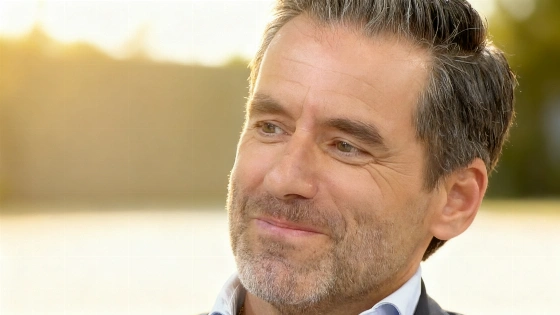
Borja Sémper After Illness: How the Diagnosis Changed His Family and Outlook. For the first time, Borja Sémper has openly shared how he faced his pancreatic cancer diagnosis. His family, the support of his wife, and the major changes in his life became central to the discussion as the politician returned to the public eye.
In the Spanish celebrity chronicles, stories where personal drama and public status intertwine as sharply as in the case of Borja Semper are rare. His return to politics after a severe illness became more than just news; it sparked a discussion on how trials can change even the most prominent figures. The details of his candid interview on 'El programa de Ana Rosa' drew both sympathy and interest: for the first time, Semper shared what he thought about his family upon hearing the diagnosis, and why he now sees life differently.
Family First
As noted by Divinity, in the summer of 2025, Borja Semper unexpectedly disappeared from the public eye: he announced a diagnosis of pancreatic cancer and temporarily left politics. During ten months of battling the disease, his family became his main source of support. In the interview, Semper admitted that in the first days after his diagnosis, his thoughts were only about his loved ones: four children, two of whom are very young, a new mortgage, a move—and the fear that all this would fall on his wife's shoulders. It was precisely this 'media moment'—when a public figure speaks about the most personal matters—that became a topic of discussion in the Spanish media.
The Role of His Wife and Support from Those Around Him
A special role in this story belongs to the politician's wife, Bárbara Goenaga. According to Semper, it was she who insisted on getting checked when he was not noticing any alarming symptoms. Thanks to her perseverance, the illness was detected at an early stage, which, as the protagonist himself emphasizes, literally saved his life. Recalling the first weeks after the diagnosis, Semper speaks of the shock and fear, when he had to mentally "close folders" and prepare his family for any outcome. But it was the support of his wife and children that helped him get through the hardest moments of treatment and hospitalizations.
Changes in outlook and appearance
Semper does not hide: the illness changed him not only physically, but internally as well. He admits that he used to be more vain, and now many things seem insignificant. The outward changes—loss of hair, eyebrows, eyelashes, changes caused by medication—became a challenge for him, but also a reason to reflect on true values. Semper notes that such changes are easier for men to endure than for women, but they still require inner work. Positive progress in treatment helped him maintain his spirits, and support from friends and even political opponents became an unexpected revelation.
Life after illness
Today, Borja Sémper speaks about time as the most valuable resource. He tries not to miss a single detail he might previously have overlooked, and admits that the fear of losing life has made every moment special. His return to the public sphere has sparked discussions not only about personal resilience, but also about how such stories change public attitudes toward illness and the vulnerability of well-known figures. In this sense, Sémper’s candor is a reminder of how important the support of family and friends is—and how even the strongest public personalities need simple human things.
Interestingly, stories of change in the lives of famous figures are appearing more and more often in the Spanish news chronicles lately. For example, there was recent discussion about the new style and rare public appearances of Soraya Sáenz de Santamaría, while another notable publication focused on the diet of heiress Leonor within the university walls— the debate about her nutrition became a new reason for conversations about tradition and change in the royal family,. All this only underscores: the personal stories of public people continue to stir and unite Spanish society.