The European Commission is fast-tracking Spain’s request for emergency EU funds. The move comes amid ongoing migration pressure in Ceuta. Brussels highlights the urgency and bilateral cooperation with Morocco.
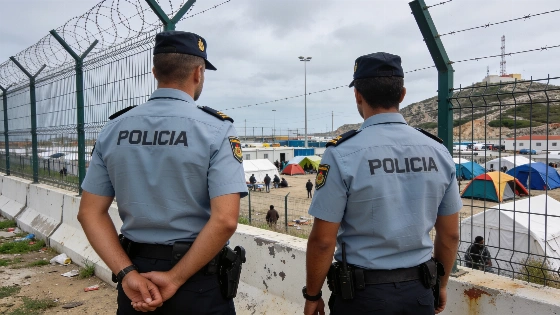
The European Commission has placed Spain’s request for emergency financial assistance at the top of its agenda, responding to the ongoing migration crisis in Ceuta. After receiving a formal application from Madrid, EU officials confirmed on Tuesday that the evaluation process is being handled with maximum urgency. While no specific timeline has been set for a final decision, Brussels made clear that resolving the situation in Ceuta is a priority for both the Commission and member states.
The emergency assistance mechanism, known as EMAS, is part of the EU’s Asylum and Migration Pact, which became fully operational in mid-June. This funding is designed for situations where a member state faces migration pressures that exceed its normal budgetary capacity. Spain’s application, the details of which remain confidential, reportedly includes measures to strengthen border security, upgrade related infrastructure, and ensure adequate reception facilities, particularly for unaccompanied minors.
Brussels continues to stress the importance of Spain and Morocco upholding their commitments, especially regarding the return of all migrants who entered Ceuta irregularly—estimated at up to 80,000 over the past month. At the same time, the Commission has underlined Spain’s obligation to protect vulnerable minors, many of whom arrived during the initial surge at the end of July and are unwilling to return voluntarily.
The urgency of the crisis has drawn criticism from several EU countries, reflecting broader tensions over migration policy as Europe approaches a pivotal election year. Despite these pressures, Brussels has acknowledged improvements in cooperation between Spanish and Moroccan authorities, noting that recent joint efforts have successfully prevented further mass crossings. However, significant challenges remain, particularly concerning the thousands of migrants still present in Ceuta. The Commission insists that the swift return of those remaining illegally in the enclave remains a central objective.
Spain’s handling of the Ceuta crisis has also sparked political debate at home, with left-wing parties demanding a tougher stance on Morocco and questioning the EU’s approach to border management. This internal rift was highlighted in recent coverage, such as the analysis of coalition tensions and calls for stronger government action found in this detailed report on the political fallout.
For context, Ceuta is a Spanish autonomous city on the North African coast, sharing a land border with Morocco. Its unique position has made it a focal point for migration flows from Africa to Europe. The current crisis has tested both Spain’s border management and the EU’s ability to respond rapidly to sudden migration surges. The outcome of Brussels’ decision on emergency funding will likely influence future EU responses to similar situations and shape the political landscape ahead of upcoming elections.