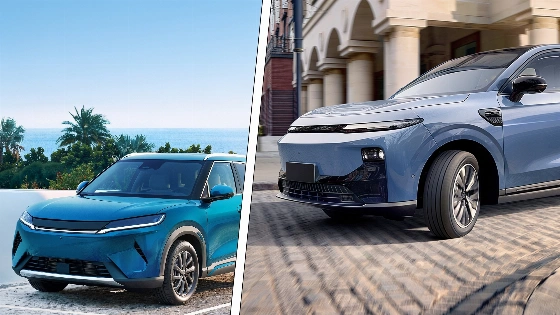
BYD Atto 2 DM-i and Leapmotor B10 EREV promise electric driving without range anxiety for under 32,000 euros. Their hybrid systems and real world practicality set up a direct clash for Spain’s next wave of plug in SUV buyers.
Spanish families looking for a new SUV now face a sharper choice. The market is no longer about going electric or not. It’s about which hybrid system actually works for daily life. Two new contenders, the BYD Atto 2 DM-i and Leapmotor B10 EREV, both carry the DGT Cero label and start under 32,000 euros. But their hybrid tech is nothing alike. That difference matters on Spanish roads.
The Atto 2 DM-i keeps things tight and efficient. It’s 4.33 meters long, right in the B-SUV class. Still, it packs a 425-liter boot and smart interior layout. Families will notice the space. The Boost version brings 212 CV and an 18 kWh battery. BYD claims 90 km of electric range and up to 1,000 km total. When the battery runs out, the DM-i system lets the petrol engine drive the wheels directly if it saves fuel. That’s a real plus for drivers who can’t always plug in.
The BYD Atto 2 DM-i is limited to 6.6 kW AC charging and does not offer a DC fast charging port, a key difference compared to the Leapmotor B10 EREV.
The Leapmotor B10 EREV is bigger. It stretches to 4.515 meters and weighs 1,760 kg. Rear passengers get more legroom. The cabin is stripped back and digital, with a 14.6-inch central screen. Its 218 CV electric motor always powers the rear wheels. The 1.5 petrol engine only works as a generator. On the road, the B10 feels like a true electric car. Acceleration is smooth. The ride is quiet. But when the battery is empty, every kilometer means burning petrol to make electricity first. That’s less efficient if you can’t charge often.
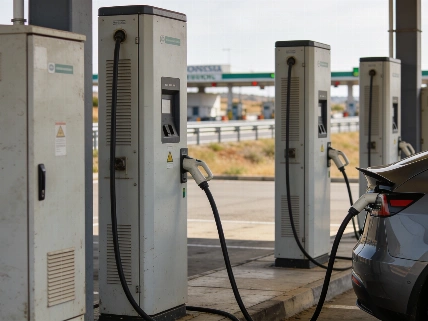
Charging is where Leapmotor pulls ahead. The BYD only charges at 6.6 kW AC and can’t use DC fast chargers. The B10 EREV supports 46 kW DC charging. For long trips, that’s a big deal. A quick stop can refill the battery, so you don’t have to rely on the petrol generator. At home, both cars charge at similar speeds. But the B10’s DC option gives drivers more freedom. The BYD can’t match that.
On paper, these two are close. Both hit 0–100 km/h in 7.5 seconds. Both offer more than 85 km of electric range. Both come loaded with tech—Apple CarPlay, advanced driver assists, and more. But the Atto 2’s 34 g/km CO2 and 1.8 l/100 km WLTP beat the B10’s 57 g/km and 2.5 l/100 km. BYD wins on efficiency. The B10, though, has a bigger cabin and feels more premium. Its 330-liter boot is a letdown for families who need space.
According to several independent Spanish sources, the Leapmotor B10 will be produced locally in Figueruelas (Zaragoza) as part of Stellantis, which helps explain its aggressive pricing strategy in the Spanish market.
Both cars come well equipped. The Atto 2 DM-i Boost adds heated seats, a 360-degree camera, and wireless phone charging. The B10 EREV Design trim brings ventilated electric seats, synthetic leather, and ambient lighting. Prices are nearly the same. The Atto 2 DM-i Boost lists at 31,200 euros. The B10 EREV Design is 31,400 euros. Entry versions with less power or fewer features cost even less.
Real world fuel use tells the real story. The Atto 2 DM-i can drop below 2 l/100 km with a full battery. Even as a hybrid, it stays efficient at about 5.1 l/100 km. Independent tests show the B10 EREV uses 15.5 kWh/100 km on electricity and 5.8 l/100 km when running the generator. For drivers who rarely plug in, BYD’s hybrid setup is the clear winner. For those who charge often and want a pure electric feel, Leapmotor’s system is more satisfying.
Inside, both feel well built. The B10’s longer wheelbase—2,735 mm versus 2,620 mm—means more space for rear passengers. The Atto 2 makes better use of its size, offering a bigger boot and a cabin that feels above its price. Both have digital instrument clusters and big touchscreens. The Leapmotor’s interface is even more minimalist, pushing most controls onto the main display.
On the road, the Atto 2 DM-i is nimble in city traffic. Steering is light. Hybrid transitions are smooth. The B10 EREV, with rear wheel drive and a longer wheelbase, feels more stable on highways. It always drives like an electric, no matter the battery level. Both focus on comfort. The Atto 2’s smaller size makes parking and tight city driving easier. That matters in Spain.
Choosing between them comes down to what you need. The BYD Atto 2 DM-i is for buyers who want top efficiency, a compact size, and a boot that fits family life. The Boost version, with its bigger battery and extra power, is the sweet spot. The Leapmotor B10 EREV is for those who need more space, want fast charging, and like every drive to feel electric—even if that means giving up some efficiency and boot space.
This segment is getting crowded. The Atto 2 DM-i has few direct rivals at its size and price. The Toyota C-HR and MG ZS Hybrid+ are options, but they can’t match the electric range or Cero label. The B10 EREV faces bigger plug-in SUVs like the Ford Kuga PHEV, EBRO S700 PHEV, and its own stablemate, the Leapmotor C10 REEV. According to recent analysis, Chinese plug-in hybrids are shaking up Spain’s car market. European brands are being forced to rethink their plans.
One thing is clear. These two Chinese SUVs have changed what 30,000 euros can buy in Spain. The Atto 2 DM-i brings top efficiency and real-world practicality in a small package. The Leapmotor B10 EREV offers electric driving to more people, thanks to its size and charging options. For buyers, the question is no longer if Chinese brands can compete. It’s which one fits Spanish roads and family life best.