BYD has added 11 new dealership groups in Spain and is about to open its first official showroom in Andorra. With nearly 30,000 vehicles sold by August, the brand is moving fast toward its expansion goals and putting pressure on established rivals.
BYD has hit a new milestone in Spain. In the first eight months of 2026, its vehicle registrations have already topped last year’s total. The Chinese automaker is picking up speed. Eleven new dealership groups have joined its network, and the company is getting ready to open its first official showroom in Andorra in the coming months.
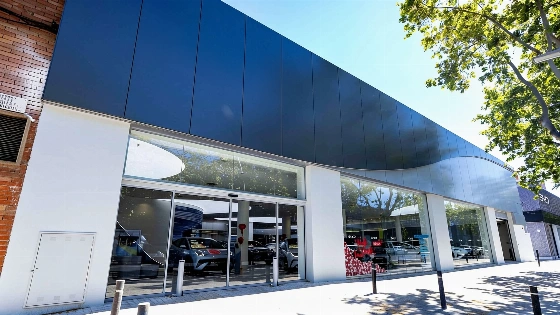
With this latest push, BYD now has 107 official dealerships and 86 authorized workshops in Spain. The company wants to reach 130 sales points and 120 workshops before 2026 ends. That means it needs to add 23 more dealerships in just over three months. If it pulls this off, BYD says it could cover 97% of the Spanish market. After that, it plans to double up in the biggest cities.
In the first half of 2026, Chinese automotive groups in Europe collectively registered nearly 792,000 vehicles, with BYD among the leaders of this surge.
The growth has been fast. At the end of 2023, BYD had only 10 dealerships in Spain. By the end of 2024, that number was up to 27. In 2025, it broke the 100 mark. Now, BYD is teaming up with well-known regional distributors. In Madrid, Grupo Gil and Grupo Alvisa have signed on. In Barcelona, Movento and Auto Almogàvers are new partners. Grupo Easo Motor will represent BYD in Gipuzkoa. Grupo Martí and Proa Group are taking on the Balearic Islands. Other new partners include Grupo Tobalo in Lucena, Peumovil in Dénia and Finestrat, Motor Mudéjar in Teruel, and Busanauto in Zamora, Benavente, and Ponferrada—places where BYD had no presence before.
Andorra is next on the list. Pyrénées Motors, part of Grupo Pyrénées, will open BYD’s first official dealership in the principality. This marks a new step for BYD’s plans in the Iberian region.
Sales are keeping pace with the network’s growth. BYD registered 29,947 vehicles in Spain from January to August. That’s already more than the 25,552 units sold in all of 2025. In August alone, BYD logged 3,191 registrations. That’s a 74.7% jump over the same month last year. For that period, BYD ranked as the seventh most registered brand in Spain.
According to several industry sources, BYD became the number one brand for battery electric vehicle (BEV) registrations in Spain from January to August 2026, with 11,943 BEVs registered—surpassing Tesla in this segment.
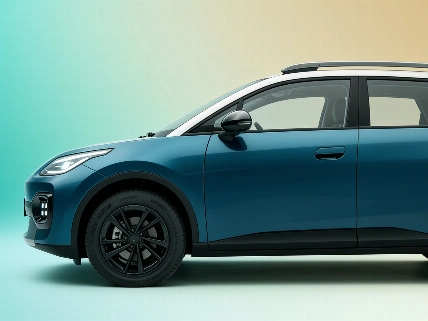
BYD’s lineup is helping drive these numbers. The brand now offers nearly 20 models. The Atto 2 is a recent launch and has quickly become a top seller. The Atto 2 DM-i, a plug-in hybrid, led BYD’s hybrid sales in Spain with 8,403 registrations through August, according to company data.
In the electric segment, BYD registered 11,943 units by August, putting it ahead of Tesla’s 9,733. More than 60% of BYD’s Spanish sales this year have been plug-in hybrids. This shows the market is still shifting from combustion engines to full electric.
BYD has set a target of 50,000 registrations in Spain for 2026 and wants to break into the top five brands for private buyers. To get there, it needs to deliver about 20,000 more vehicles in the last four months of the year. It’s a big challenge, but the company’s recent growth suggests it could be within reach.
BYD’s rapid expansion comes as other electric mobility players are rethinking their plans. Wallbox, for example, recently moved all its manufacturing to Barcelona after closing its Texas plant, as reported earlier. This move stands in contrast to BYD’s confidence in the Spanish market, while others are pulling back or changing direction.
What sets BYD apart is not just how fast it’s growing, but how carefully it’s covering the market and aiming to lead both hybrid and electric segments. Its ability to outpace established brands and secure deals with experienced local distributors signals a shift in Spain’s car market. If BYD keeps up this pace, it could redraw the dealership map and push competitors to rethink their own strategies as the market keeps changing.