Wallbox has stopped making chargers in Texas and now builds everything in Barcelona. After a year of big losses and rising debt, the company is fighting to survive. What does this mean for Wallbox and the EV industry?
Wallbox has ended its US manufacturing push. The company closed its Arlington, Texas plant and moved all production back to Barcelona. Wallbox once promised to make a million chargers a year in America by 2030. Now, the focus is on survival. The company is cutting costs and bringing everything home.
This decision comes after a tough year. Wallbox finished 2025 with €103.2 million in losses. Sales dropped 11.5%. Debt jumped to €191.3 million. The company had to restructure its debt in court. It worked out deals with Santander, BBVA, and CaixaBank to delay €169.6 million in repayments until 2030. A €15.8 million capital injection, including €5 million from the Generalitat de Cataluña, gave Wallbox some breathing room. But the pressure is still on.
In May 2026, Wallbox secured approximately €11 million in interim financing from banks and shareholders to maintain liquidity during its restructuring process.
The Arlington plant opened in 2022 after a $70 million investment. It was supposed to be Wallbox’s main US factory. By April 2025, it had already made over 100,000 chargers. Wallbox planned to have 700 people working there by 2030. Now, the factory is quiet. The site will stay open as a service and logistics hub for North America. But Wallbox has stopped making chargers in the US, even as other companies keep building in Texas.
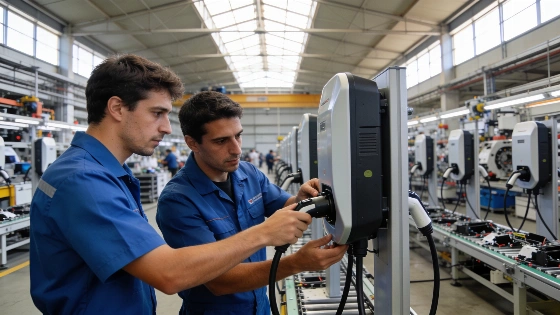
Barcelona’s Zona Franca plant, which opened in April 2022, is now Wallbox’s only factory. The site covers 11,220 square meters and can make more than 750,000 chargers a year. It was already set up to build North American models, including those with UL certification and different plugs. Wallbox does not need to start from scratch. The company has not said if this move will mean more jobs in Barcelona. That depends on future orders.
Financial help has not brought a sales recovery. From April to June 2026, Wallbox reported €23.9 million in revenue. That is down from €38.3 million a year earlier. The company posted a quarterly loss of €28.6 million. Orders did go up 11% from the previous quarter. Labor and operating costs fell 29% year-on-year. Wallbox expects €29–31 million in revenue for the third quarter if it hits its targets. But the company is under pressure from the New York Stock Exchange. Wallbox has fallen below the $50 million market cap needed to stay listed. It has until August 2027 to recover.
According to independent industry sources in 2026, the Barcelona facility was already prepared to supply the North American market, and the transition did not require a new production launch. Official restructuring documents also indicate that Wallbox sought to delay payments and strengthen liquidity through agreements with creditors, prioritizing cost reduction and simplification of its manufacturing scheme.
Making chargers in Barcelona for the US market comes with a cost. Most European-made products face a 15% tariff when shipped to the US. Buy America rules say federally funded chargers must be assembled in the US with at least 55% domestic parts. Wallbox has admitted these rules could hurt its position, especially as Asian rivals make cheaper products and carmakers start building their own chargers. The company says savings from consolidation are bigger than the tariff hit, but the long-term effect is unclear.
The electric vehicle market is changing fast. As shown in recent analysis, Spanish dealerships are losing money as EVs need less maintenance. Wallbox’s exit from US manufacturing is another sign of how tough and unpredictable this market has become.
Wallbox’s move to centralize production in Barcelona is a risky bet. The company is hoping that a leaner operation and lower costs will help it survive and win back investors. But with tariffs, tough regulations, and strong competition, there is little room for mistakes. For now, Wallbox’s future depends on whether Barcelona can deliver what Texas could not: a way back to growth and stability.