The promise of direct car sales in Spain has hit a wall as manufacturers refuse to shoulder the cost of unsold vehicles. With prices up over 40 percent in four years and Chinese brands now holding 20 percent of private sales, the traditional dealership is far from obsolete.
Car shoppers in Spain are hitting a wall. The dream of buying a car online and having it delivered to your door has faded. The problem is not the tech. It is money. Manufacturers refuse to pay for unsold cars sitting in storage. That leaves dealerships back in charge.
Francisco Galnares, CEO of Grupo Syrsa, Spain’s major auto distributor, put it plainly at a recent Observatorio Económico de Andalucía roundtable. He called the direct sales model “stuck.” His view is blunt. The big shift that was supposed to push out dealerships has fizzled. Only one small brand in Spain still uses a pure agency contract. The rest have gone back to the old way—dealerships handle stock and haggle over prices.
According to industry reviews, the average price of a new car in Spain rose from €30,513 in 2019 to €44,419 in 2025, with the average price after discounts still around €43,477 by July 2026.
This reversal started in 2019. Back then, analysts said electric cars, self-driving tech, and new mobility apps would crush distributor profits and force direct sales. The pandemic sped things up. Factories only built cars to order. Buyers waited months. With no stock to finance, manufacturers made more money and kept tighter control.
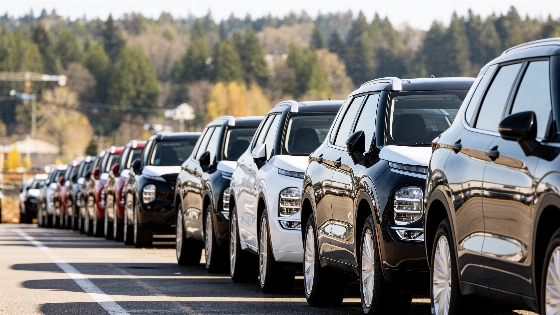
That did not last. Once supply chains recovered and factories sped up, the old headache returned. Unsold cars piled up. Each one cost money. Galnares is clear. Financing stock is the main roadblock for direct sales. When plants run at full speed, the risk and cost of unsold cars outweigh any benefit from cutting out dealers. Someone has to pay for cars that do not sell. That someone is still the dealership.
The price surge has been especially sharp in mass-market segments: since 2019, A-segment car prices have jumped by 78.3%, and B-segment by 46.7%. At the same time, average discounts on new cars in Spain exceeded 14% off the list price by mid-2026, reflecting the pressure from inventory and sales incentives.
Prices have shot up. Syrsa reports that new cars now cost over 40 percent more than four years ago. European emissions rules and the push for electric cars are driving the jump. Many buyers are priced out. Spain’s cars are getting older. The average car is now about 15 years old. People are looking for other options.
Chinese brands are filling that gap. They now make up 20 percent of private car sales in Spain. European makers are squeezed by higher costs and shrinking profits. Asian brands are moving in fast, especially with electric models. The change is clear in showrooms and on the road. Buyers want cheaper choices.
For most people, the online-only dream is still out of reach. Buyers still visit showrooms, compare deals, and use unsold stock to get discounts. Fixed-price direct sales are rare. They are mostly for niche brands or those who do not want to bargain. Chinese automakers are expanding their lineups and shaking up the market, as shown in recent industry reports. Competition is heating up.
Galnares sees another twist. Dealerships have learned to use digital tools faster than manufacturers have learned to sell direct. The pandemic taught a hard lesson. Selling fewer cars at higher margins can be more profitable than chasing volume. That thinking still shapes the market.
The numbers tell the story. Chinese brands now hold 20 percent of the market. New car prices are up 40 percent in four years. The average car on Spanish roads is 15 years old. Delaying a new purchase costs more in repairs, safety, and emissions.
One tip for buyers: ask about cars in stock. These are the cars that cost dealerships the most to keep. They are also where you can negotiate the best deal. As long as manufacturers refuse to pay for unsold inventory, dealerships will stay at the center of Spain’s car market. The direct sales model is on pause. Buyers have to adapt. Price, choice, and negotiation are now more tangled than ever.