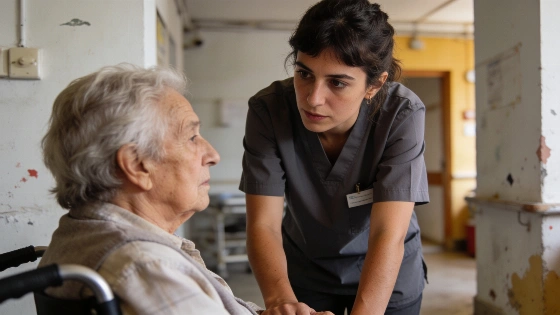
A new report highlights how low wages in Catalonia's social services create a cycle of underfunding. The system struggles to cover public costs, raising concerns for the region's economy and future welfare.
Low wages in Catalonia's social services sector are fueling a cycle of economic strain, according to the recently published Informe Fénix. The report, prepared by a group of experts, points to a growing number of jobs in sectors where average pay is so low that workers' tax and social contributions cannot cover the public services they will need throughout their lives. While the study focuses on tourism and agri-food processing, it also highlights the urgent situation in social services, where precarious employment is becoming the norm.
In the social services field, the process often begins with local or regional authorities identifying community needs. Politicians then promise expanded services during election campaigns. However, when it comes time to deliver, budgets rarely match the scale of these promises. As a result, municipalities and the Generalitat de Catalunya frequently outsource services, awarding contracts to the lowest bidder. This price competition directly impacts salaries, leaving many workers with pay that barely meets minimum standards. Providers, unable to pass higher costs back to the government, are forced to defend these low wages, perpetuating a system where underfunding is absorbed by frontline staff.
This dynamic has created a sector marked by job insecurity and low pay, with many employees—especially in personal care roles—being migrants. The sector is labor-intensive and offers limited opportunities for productivity gains, yet it continues to expand as demand for care and support rises. Workers in these roles will increasingly require public services themselves, such as education for their children, healthcare, pensions, and social assistance. The fiscal contributions from their salaries, however, are insufficient to fund these needs, raising questions about the long-term sustainability of the system.
The issue is not isolated. Similar concerns have been raised in other areas of Catalan social policy. For example, delays and bureaucratic hurdles in dependency aid have drawn criticism, as highlighted in a recent case where families faced long waits for support—see the detailed account of these challenges in this report on failures in Catalonia's elderly care aid system.
As Catalonia's population ages and social vulnerability grows, the demand for personal services is expected to rise further. Experts warn that unless the funding model changes, the region risks deepening both labor market inequality and fiscal shortfalls. The current approach not only undermines the dignity of workers but also threatens the ability of the public sector to meet its obligations. According to available data, Spain's social services sector employs a significant number of people, many of whom are women and migrants. The sector's expansion is driven by demographic trends, including increased life expectancy and a growing elderly population. However, without structural reforms to improve wages and funding, the cycle of underfunding and precarious employment is likely to persist, with broader consequences for Catalonia's economy and social cohesion.