Actress Assumpta Serna denounces severe delays and bureaucracy in Catalonia's dependency aid. Thousands die waiting for support. Families face complex rules and limited help, sparking calls for urgent reform.
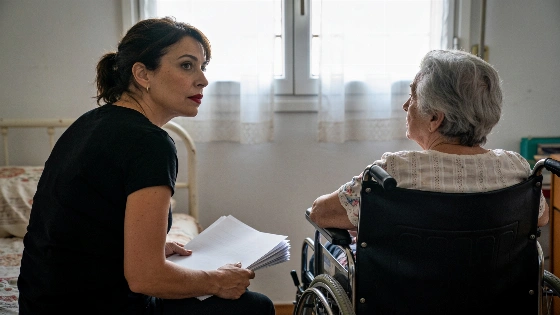
Barcelona's system for supporting dependent elderly residents is under renewed scrutiny after actress Assumpta Serna publicly criticized the region's bureaucratic hurdles and slow response times. In a widely shared video, Serna described her family's struggle to secure adequate care for her 100-year-old mother, highlighting a process so slow that thousands reportedly die each year before receiving any assistance.
Serna, known for her work in Spanish cinema, revealed that despite her father's foresight in providing for her mother's care, the family has faced what she called an 'incoherent and bureaucratic nightmare.' She pointed out that, after a year of waiting, authorities granted only 64 hours of monthly support for a person needing round-the-clock care. The actress also criticized the requirement to use government-approved agencies, which she claims charge high commissions and sometimes employ underqualified staff, while families hiring caregivers directly receive no financial aid.
Her complaints extend to the lengthy process for reassessing dependency levels, with some families waiting years for reviews. Serna also noted that services shut down in mid-August, sarcastically questioning whether the elderly are expected to 'stop dying' during the holiday period. She has filed a formal complaint with the Consorcio de Servicios Sociales de Barcelona and is now collecting similar stories from others via Instagram, aiming to build momentum for systemic change.
The issue is not unique to Catalonia. Other Spanish regions, including Madrid, have faced similar criticism for long waiting lists and slow delivery of care. For example, Madrid has seen record delays in public care services for seniors, with thousands waiting months for support. This points to a broader national challenge in managing the needs of an aging population.
In response to mounting pressure, the Catalan government announced a €25 million emergency plan last April, aiming to reduce the average wait time for aid from 397 days to 60 by hiring 200 additional professionals. However, the scale of the problem remains daunting. According to the regional care home association Acra, over 38,000 people in Catalonia are still waiting to be assessed for dependency, and once recognized, it takes an average of 275 days to receive benefits. Projections suggest that within a decade, the region will need 80,000 more residential places and 26,000 additional care workers to keep pace with demographic changes.
Spain's population is aging rapidly, with the number of residents over 65 growing by 2.5% annually. By 2035, Catalonia is expected to have 644,600 people over 80, representing 7.1% of its population. These trends underline the urgency of reforming support systems for the elderly, as delays and administrative barriers continue to leave many vulnerable residents without the help they need.