Over 3,000 elderly residents in Madrid are waiting for a public care home. Nearly 17,000 more await home help. Delays now exceed national averages, raising concerns about funding and management.
Madrid’s public care system for the elderly is under mounting pressure, with official figures showing that 3,047 people are currently waiting for a place in a public residential facility—an increase of nearly 900 compared to last year. The number of seniors waiting for home help has also surged, reaching 16,780. These delays have sparked criticism from opposition parties and unions, who argue that the region is failing its aging population despite receiving significant national funding.
According to data published by the regional government, the average wait time for elderly care in Madrid now stands at 330 days, surpassing the national average of 314 days. The maximum period allowed by law is 180 days, but in practice, families often face much longer waits. Social policy representatives from PSOE and UGT highlight that the real bottleneck occurs before applicants even make it onto the official waiting lists, with some families waiting nearly two years for services already recognized as a right.
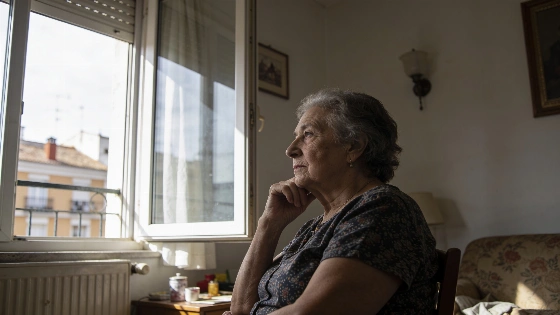
Madrid’s elderly population is substantial: more than 1.2 million residents are over 65, accounting for 17.28% of the region’s population. Of these, over 276,000 live alone, while 55,300 reside in one of 500 care homes—most of which are privately run. Only 25 facilities are fully public. The typical applicant is an 80-year-old woman requiring specialized care due to physical or mental dependency.
Unions and opposition parties accuse the regional government of diverting funds from social care to cover hospital debts and criticize the transfer of €61.5 million from the Madrid Social Care Agency (AMAS) to pay off obligations to private healthcare groups. They also point to insufficient staffing and poor working conditions in public facilities, which they say contribute to the backlog and deteriorating quality of care. According to union estimates, the number of people waiting for assessment is likely much higher than official figures suggest, as many are offered temporary financial aid or social vouchers for private services and thus do not appear on the lists.
For those who do secure a place in a public residence, conditions remain a concern. Reports describe overcrowded and understaffed centers, with inadequate climate control and unfilled positions due to unattractive employment terms. Families are left frustrated, and many elderly residents die before receiving the care they need. In 2025 alone, 3,700 dependent seniors reportedly died in Madrid without ever accessing the services they were entitled to.
The regional government, however, defends its record, stating that as of July, more than 225,000 dependents are being supported—56,000 more than at the start of the current legislative period. Officials highlight the creation of over 2,200 new places for dependent seniors since 2023 and the launch of the Plan 40 40, which aims to build 40 new residences and 40 day centers, adding 8,000 places. Critics counter that only one such facility has been tendered so far, and most new places will be privately managed, raising questions about the long-term impact on public provision.
These challenges in Madrid’s elderly care system come as Spain faces broader strains on public services. For example, the country is also contending with a sharp rise in wildfires, as detailed in a recent report on the record-breaking scale of forest fires this year. Both issues highlight the growing pressure on regional authorities to respond to demographic and environmental shifts with effective resource allocation and planning.
Spain’s aging population is expected to increase further in the coming years, intensifying demand for care services. The situation in Madrid underscores the importance of sustainable funding, transparent management, and adequate staffing to ensure that seniors receive timely and dignified support. As debates continue over public versus private provision, the region’s experience may serve as a warning for other parts of the country facing similar demographic trends.