Catalonia’s Culture Department is launching new measures to protect heritage sites from fires and floods. Minister Sònia Hernández highlights the risks in the Sijena case and the push for cultural rights and regional balance.
Catalonia’s Culture Minister, Sònia Hernández, has confirmed that the ongoing legal dispute over the Sijena artworks is nearing its conclusion, with all parties facing potential losses. The case, which centers on the transfer of fragile wall paintings, has reached a critical stage. Hernández emphasized that moving the artworks could endanger their preservation, as the risk assessment for their new location remains incomplete. She noted that the Museu Nacional d’Art de Catalunya (MNAC) is following all required procedures, but the lack of clarity about the destination of the paintings complicates compliance with the court’s decision.
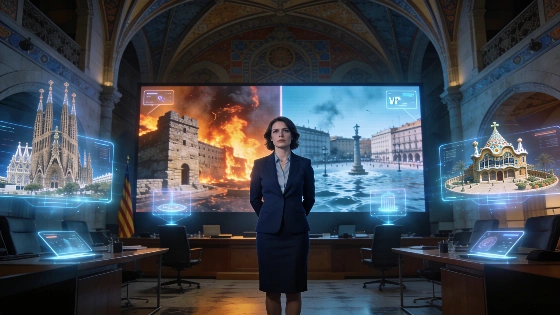
Hernández, who previously led the Directorate-General for Cultural Heritage, now prioritizes making Catalonia’s monuments more accessible through immersive technologies. The department’s flagship project, Els ulls de la història, uses virtual reality to bring major sites—such as the Vall de Boí, Roca dels Moros de Cogul, Escaladei Monastery, Miravet Castle, and Sant Pere de Rodes—closer to the public. By 2028, five additional sites, including Cardona Castle and the Roman Theatre of Tarragona, will be added. Each adaptation costs between €600,000 and €800,000, with a focus on representing diverse regions and historical periods.
While immersive experiences are increasingly common in the private sector, Hernández insists that public initiatives must maintain scientific rigor and prioritize educational value over spectacle. The new approach also aims to highlight underrepresented voices in history, such as those of women and children, and will extend beyond virtual reality to include updated museum displays.
The minister acknowledged that the Sijena dispute could have been handled with less confrontation, but with a final court ruling in place, negotiation is no longer possible. She expressed hope that the paintings will not be moved, citing the significant risks involved. The MNAC continues to assess the situation, but the outcome remains uncertain.
Hernández also addressed recent leadership changes at major cultural institutions. She described the MNAC building as outdated and in need of modernization, especially as it integrates the Palau Victòria Eugènia. The Macba, under new direction, is expected to strengthen its role as a leader in contemporary art across Catalonia and foster collaboration with other institutions. Regarding the appointment of the new director at the Fundació Miró, Hernández called for trust in the selection process, which she described as transparent and merit-based.
On the performing arts front, the minister praised Carme Portaceli’s tenure at the Teatre Nacional de Catalunya (TNC) for boosting international engagement and attracting younger audiences. The upcoming leadership of Josep Maria Mestres is seen as a consensus choice. Hernández declined to comment on programming decisions at the Teatre Lliure, including the exclusion of Lluís Pasqual from its 50th anniversary season, but noted that such controversies do not diminish his reputation as a director.
Addressing the persistent imbalance in cultural offerings between Barcelona and other regions, Hernández highlighted the forthcoming law on cultural rights, which aims to place citizens at the center of cultural policy and reduce territorial disparities. The department is revising the Plan de Equipamientos y Servicios de Cataluña (PESCAT) to address gaps in cultural infrastructure.
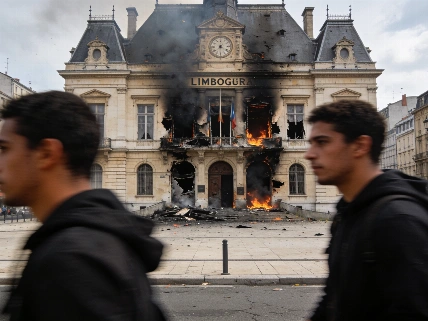
Natural disasters, particularly wildfires and floods, have become a growing threat to heritage sites. The recent fire in Anoia, which approached Claramunt Castle, underscored the need for emergency plans. Hernández confirmed that the department is developing a strategic protection plan, including the search for a large storage facility for museum collections outside Barcelona, ideally to be secured within the current legislative term.
Another major initiative is the proposed National Pact for Culture, which seeks to share responsibility for cultural funding among various levels of government and institutions. Hernández stressed the importance of building broad consensus, noting that most of the current parliamentary spectrum recognizes the value of culture.
Spain’s vulnerability to wildfires has been a recurring concern, as seen in recent years when blazes have threatened both natural and cultural landmarks. For example, a major wildfire in Zaragoza province forced evacuations and highlighted the urgent need for coordinated emergency responses. These incidents reinforce the relevance of Catalonia’s new heritage protection strategies.
According to available data, Catalonia’s cultural sector faces ongoing challenges in balancing innovation, preservation, and accessibility. The region’s approach—combining technological investment, legal compliance, and regional equity—reflects broader trends in Spanish cultural policy. As climate risks intensify and legal disputes persist, the effectiveness of these measures will be closely watched by both the public and cultural professionals.