Ceuta again requests urgent support as migrant arrivals surge. Political rifts and Morocco's stance intensify the crisis. The city's capacity to manage unaccompanied minors is under severe strain.
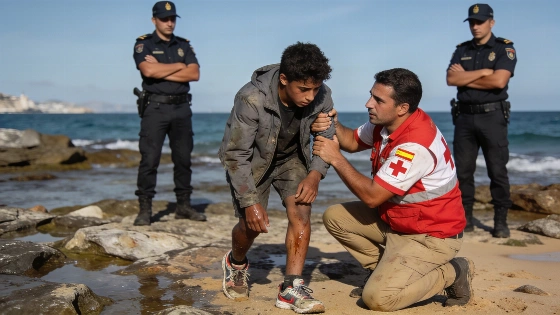
Ceuta is once more at the center of Spain’s migration debate after a new wave of arrivals in August 2024 forced local authorities to seek immediate help from Madrid and regional governments. The city, governed by Juan Jesús Vivas (PP) for a quarter-century, has repeatedly faced sudden influxes of migrants—both adults and minors—often coinciding with diplomatic friction between Spain and Morocco. This time, the situation is further complicated by the collapse of the PP-Vox coalition, after Vox withdrew support over the issue of relocating unaccompanied minors from the Canary Islands to mainland Spain.
In May 2021, Ceuta experienced one of its most severe migration crises when nearly 8,000 people crossed the border in just two days. Spanish security forces reported an unusual lack of intervention from Moroccan authorities, a move later acknowledged by Moroccan officials as a response to Spain’s decision to admit Brahim Gali, leader of the Frente Polisario, for medical treatment. The episode left Ceuta struggling to accommodate almost a thousand minors, while Morocco blocked the return of its nationals from the enclave. The European Parliament condemned Morocco’s use of border controls and unaccompanied minors as political leverage, warning of the risks to hundreds of lives.
During the 2021 crisis, the city’s president, Vivas, described the situation as unsustainable and called for the urgent transfer of thousands of new arrivals. That summer, Spain and Morocco agreed to return over 700 minors, but the process was criticized for lacking proper documentation and legal safeguards. Spanish courts later ruled that the expedited repatriation of 55 minors was illegal, resulting in the disqualification of two local officials from public office. The Spanish government’s subsequent support for Morocco’s autonomy plan for Western Sahara was presented as a step toward improved border security and migration management.
By August 2024, Ceuta’s authorities again declared they could not manage the influx alone, urging the central government and other regions to share responsibility for the care of unaccompanied minors. The political context had shifted: Vox, having made opposition to migrant relocation a central issue, broke with the PP after the latter agreed to accept a minimum number of minors from the Canary Islands. The new round of PP-Vox agreements included clauses to restrict such transfers, further limiting Ceuta’s options.
This ongoing crisis in Ceuta is not isolated. Similar surges have tested the city’s resources in recent years, as highlighted in reports such as coverage of previous emergency declarations and calls for centralized action. The repeated pattern underscores the vulnerability of Spain’s border enclaves to both external diplomatic shifts and internal political divisions.
Ceuta’s experience reflects broader challenges facing Spain’s migration policy. The city’s limited capacity to house and process large numbers of arrivals, especially minors, has exposed gaps in coordination between local, regional, and national authorities. Legal rulings have clarified that returns must follow strict procedures, while diplomatic relations with Morocco remain a decisive factor in border management. The political fallout from coalition breakdowns, particularly with parties like Vox, continues to shape the response framework. As migration pressures persist, the situation in Ceuta serves as a barometer for Spain’s ability to balance humanitarian obligations, legal requirements, and political realities at its borders.