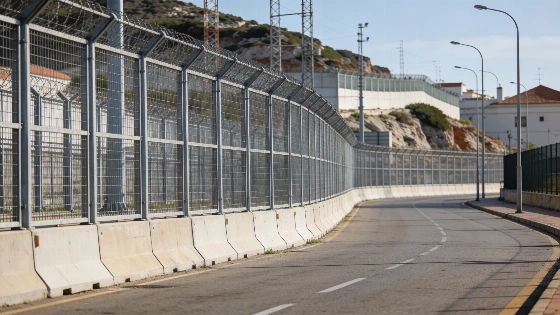
Ceuta is experiencing a surge in violence and hostility after a wave of migrant arrivals. Fires, assaults, and nightly clashes have become routine. Residents and migrants alike are caught in a cycle of fear and confrontation.
Ceuta is on edge. The city has seen a sharp rise in violence, with attacks, fires, and open hostility now part of daily life. Recent incidents include arson in the shantytowns of El Tarajal, assaults targeting people for their skin color, and nightly fights. Both locals and migrants move through the city wary of what each day might bring.
Much of the tension is centered in neighborhoods that first responded with support. In places like El Príncipe and La Reina—low-income areas with a mostly Muslim population—residents set up makeshift shelters and tried to help. But after weeks of strain, exhaustion has set in. The government-run center at Loma Colmenar now holds about 1,200 men, who are free to come and go during the day. This means a steady flow of people near residential buildings. Hundreds more sleep outside, hoping for a spot inside, drawn by the sense of safety that comes with a police presence.
According to official figures, approximately 5,000 migrants and asylum seekers remain in Ceuta, including about 1,200 minors, which has led to overcrowding in shelters and the emergence of makeshift camps.
Conditions around these centers have worsened. Camps have sprung up at El Tarajal and La Hípica, with poor sanitation clearly visible. Many violent incidents—knife fights, territorial disputes—happen in these areas. Residents, frustrated by sleepless nights and disorder, have started harassing migrants and blaming them for the chaos. Still, police sources say most violence is between migrants themselves. Despite widespread fear, official data shows that all 23 sexual assault cases under investigation involved migrant women as victims, with suspects including Moroccans, Spaniards, and a Belgian national. Demand for pepper spray has soared, and the city’s only licensed vendor now has a waiting list.
Outside the hardest-hit neighborhoods, Ceuta’s historic center has seen a wave of protests—sometimes two in a single day. Demonstrators, often from less affected areas, carry banners with increasingly aggressive slogans, some generated by artificial intelligence. The tone has shifted from defensive to openly hostile, with calls for the expulsion of "invaders" and references to historical figures. These protests rarely draw more than 200 people, but their impact is felt through confrontations with journalists and aid workers, who are often harassed or attacked for speaking to migrants. NGOs have also become targets, as anger spreads to anyone seen as sympathetic to newcomers.
Shops and restaurants have responded by sealing power outlets and closing restrooms. Supermarkets are under military guard. Inside stores, staff scrutinize customers based on appearance, sometimes questioning whether they are migrants. This suspicion has led to cases where even local children with darker skin are verbally abused or asked for ID, as happened to a 13-year-old girl mistaken for a recent arrival.
A series of fires in migrant settlements at the Tarajal Industrial Estate destroyed around 40–42 makeshift shelters, with no injuries reported. Local authorities and several media outlets confirmed that the cause may have been campfires or arson, and police have launched an investigation, detaining one individual.
The city’s divisions have deepened since the government decided to open new migrant centers, including one at the port in a middle-income area. This has triggered more protests, with residents demanding expulsions. The western coastline, especially near Playa del Trampolín, has become another hotspot, where over a thousand people live in conditions similar to a market district. The Red Cross controls food distribution with colored wristbands to manage access and prevent trafficking. Migrants with beds in official centers wear white or green bands, while protesters display Spanish flags. Those without shelter or affiliation are most exposed to violence.
Ceuta’s crisis is not just about numbers or policy. It is about the daily reality of a city stretched thin. Trust between neighbors has broken down. Hostility is now routine, and society is visibly divided by color, status, and geography. Official efforts to contain the situation have not addressed the exhaustion and resentment beneath the surface. As Ceuta enters its seventh week of turmoil, the risk is not only more violence but a community that remains divided and suspicious long after the crisis fades.