A Spanish court has expelled three Moroccan migrants for five years after they admitted to forcibly trying to take a 17 year old girl to a makeshift shelter in Ceuta. The case highlights the swift judicial response to coercion involving minors.
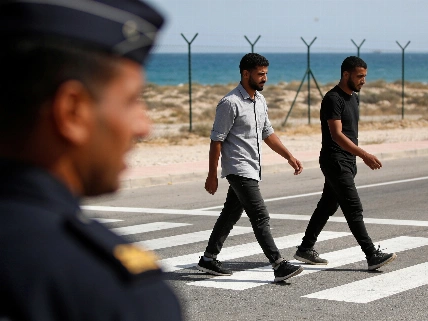
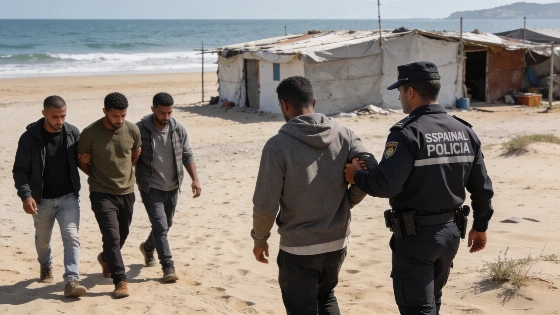
Police in Ceuta arrested three Moroccan men last Thursday. They had grabbed a 17 year old girl and tried to force her to a shack on Trampolín beach. The men admitted what they did in court. The judge gave them a two year prison sentence, but swapped it for immediate expulsion from Spain. They cannot return for five years. Spanish media say this case shows how seriously Spanish law treats crimes against minors, especially when migration is involved.
The girl, also Moroccan, managed to escape after another migrant stepped in and freed her. She went straight to the police. Officers launched a fast investigation and quickly made arrests. Judicial sources confirmed the three men were convicted of coercion. That charge carries extra weight when the victim is underage. The Objective and Europa Press reported that police first suspected two minors were being held against their will at the Trampolín beach settlement. That set the stage for the court case.
Spanish law applies a special protection regime to unaccompanied minors in Ceuta, with decisions on their care and possible repatriation handled by state agencies rather than through standard expulsion procedures.
The court chose expulsion instead of jail time. The men are banned from Spain for five years. This is not unusual for non-citizens, but it shows the legal system wants both punishment and prevention when minors are at risk. The swap of prison for expulsion stands out. Spain is still debating how to handle migrant crime, especially when children are involved.
This case moved fast. It stands apart from slower, high-profile cases in Spain, like those involving Judge Juan Carlos Peinado. His recent retirement after a major trial was covered earlier. In Ceuta, the court acted without delay. Protecting minors came first. Euronews cited official statements from the Spanish government. They say most unaccompanied minors who reach Ceuta will stay in Spain, not be sent back to Morocco.
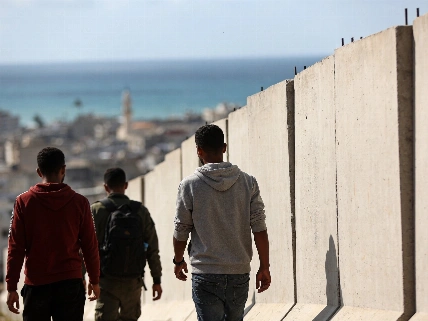
Ceuta sits on the border with Morocco. It faces constant migration pressure. Makeshift shelters and vulnerable people are common. The case also shows how bystanders can make a difference. Another migrant stepped in and stopped the attack. Al Jazeera and other sources point out that Ceuta's reception system is under strain. Thousands of unaccompanied minors are in the city. Many are still outside formal care.
Recent official reports indicate that thousands of unaccompanied minors remain in Ceuta, with Spanish authorities prioritizing their placement and family reunification over rapid repatriation. The humanitarian situation remains tense, and the government has reiterated that the majority of these minors will stay in Spain.
By choosing expulsion, the court sent a clear message. Crimes against minors have real consequences. The decision also keeps more people out of Spain's crowded prisons. This is a practical move. It puts protection first. The debate over how to handle unaccompanied minors in Ceuta is not over. Courts and politicians will keep facing these tough questions. Multiple independent sources confirm the pressure is ongoing.