Ceuta saw its largest protest in years as thousands called for government intervention. The city faces mounting pressure after over 70,000 migrants arrived in just two days. Local leaders warn of institutional neglect.
Thousands of Ceuta residents took to the streets in late July, demanding immediate government action as the city struggled to cope with a sudden and overwhelming influx of migrants. The protest, the largest in recent memory, reflected deep frustration after more than 70,000 people arrived over just two days, leaving local services stretched to the limit. Official figures reported by Spanish media put the number of arrivals between 70,000 and 72,000 on July 30 and 31, 2026—a scale not seen before in Ceuta and now at the center of a political and humanitarian emergency.
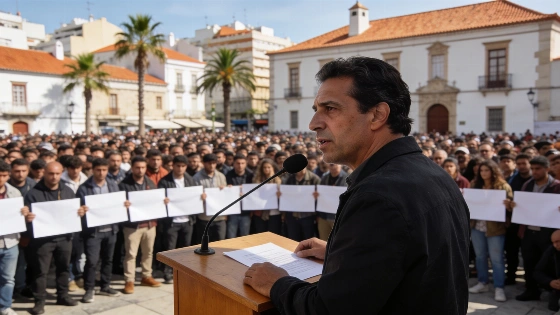
People from across the city, especially neighborhoods most affected by the arrivals, gathered at the Plaza de África. Many accused national authorities of leaving Ceuta to handle the crisis alone. The city’s president, Juan Jesús Vivas (Partido Popular), addressed the crowd, calling the situation unlike anything he had seen in office. Protests have continued for several days and have spread to other parts of Spain, including a major rally on September 2 in support of Ceuta.
Official estimates of remaining migrants in Ceuta vary widely: Spanish authorities say 3,500–7,000 remain, while local right-wing leaders claim at least 10,000; BBC reports up to 5,000, including 1,400–1,600 children.
Melchor León, the Socialist deputy and vice president of the Assembly, stood alongside Vivas at the protest. León admitted his presence went against his party’s official position but said the scale of the crisis required unity. Protesters in the square called for concrete solutions and a clear plan from Madrid, not more promises.
The crisis has hit outlying districts especially hard. Residents there report daily disruptions and a growing sense of insecurity, which helped drive the large turnout. While solidarity marches have taken place in other Spanish cities, none have matched the size or intensity of Ceuta’s protest. According to Al Jazeera and Reuters, tensions have escalated further, with incidents such as tent burnings, blockades of Red Cross aid, and clashes between groups, all adding to the strain on the city.
Authorities have responded with emergency measures, including dismantling a large migrant camp near the Loma Colmenar reception center. As reported earlier, police intervened after tensions rose, relocating hundreds and trying to restore order. These steps, however, have not resolved the underlying problems or eased local concerns.
Spain has allocated a substantial aid package of 309 million euros to Ceuta, aimed at supporting social services, migrant accommodation, and enhancing security measures. This federal response underscores the scale of the crisis and the government’s recognition of its national significance.
Ceuta’s situation has become a national issue. City leaders are asking for more than logistical help—they want a new approach to border management and migrant integration. The July arrivals left thousands still living on the streets, putting more pressure on public services and deepening social divides. Many in Ceuta see the government’s response as too slow and limited, and local officials warn that without decisive action, the situation could get worse. Prime Minister Pedro Sánchez has said the surge was partly driven by misinformation on social media and confusion over a court ruling, with claims that networks linked to Russia, Israel, and far-right groups played a role. Spanish intelligence, however, has not found evidence of direct involvement by Moroccan authorities.
For Ceuta, this is more than a local emergency—it is a test of Spain’s ability to manage migration and support its autonomous cities. The size and intensity of the protest show that residents are no longer willing to accept what they see as neglect from Madrid. If the government does not act, the consequences may reach beyond Ceuta. Humanitarian organizations and official reports say at least 80 people died during the July crossing, a stark reminder of the crisis’s human cost.