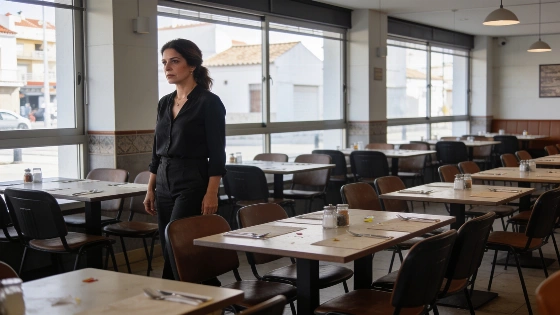
Ángela Tendero, co-owner of Barlovento in Ceuta, saw her restaurant go from fully booked to empty within a single afternoon. The abrupt drop followed a surge of arrivals and the cancellation of the city’s Feria, leaving local businesses scrambling to cope with lost income and uncertainty.
On July 31, Ángela Tendero, co-owner of Barlovento at Ceuta’s Club Náutico, watched her restaurant’s fortunes reverse in a matter of hours. By late afternoon, every reservation had been cancelled, leaving the dining room empty and the doors closed for a second consecutive day. The sudden collapse in business came as Ceuta faced a wave of arrivals on July 30 and authorities suspended the annual Feria, a move that deepened the blow for local hospitality and retail.
“I had the restaurant fully booked, and by 7 p.m. there wasn’t a single reservation left. Everything had been cancelled,” Tendero told La Linterna de COPE. She explained that with no customers expected, opening made little sense. The decision was not just about lost sales—staff wages, supplier payments, and fixed costs continued to mount, even as revenue vanished. Barlovento, which had recently received national recognition from Tapas Magazine’s T Awards, found itself in crisis despite a promising start to the season.
The cancellation of the Feria, scheduled for August 1–8, compounded the financial strain. Barlovento had invested in its first-ever caseta for the festivities, only to see the event called off after preparations were complete. “Everything has been ruined,” Tendero summed up. The city’s decision affected not only restaurants but also fairground workers, artists, and other businesses that had already committed resources.
During the closure, Tendero noted that several people entered the restaurant seeking food and water. While she stressed that no harm was intended, the episode heightened her sense of insecurity. Many other establishments in Ceuta also shut their doors as a precaution, following recommendations from the CECE business association to remain closed until official guarantees were provided. The situation highlighted the vulnerability of small businesses in Spain, which have already faced mounting pressures in recent years.
Estimates of the number of arrivals varied, with the Ministry of the Interior citing 50,000 and Ceuta’s president, Juan Jesús Vivas, putting the figure at 60,000. The lack of a clear count reflected the scale and confusion of the moment. By August 1, some businesses cautiously began reopening, but the sense of uncertainty lingered, and security measures remained heightened.
In response, Prime Minister Pedro Sánchez announced that the government was assessing possible compensation for affected businesses. A formal count of impacted establishments was underway, but as of August 3, no details had been released regarding eligibility, amounts, or application procedures. The Chamber of Commerce of Ceuta called for urgent support for tourism, retail, and hospitality, warning that the wave of cancellations could impact the rest of the summer season. For now, business owners like Tendero are left to document their losses and wait for concrete measures.
The challenges faced by Barlovento echo the resilience seen in other parts of Europe’s hospitality sector. For example, Anna Possi, who continues to run her Italian café at 101 years old, demonstrates how dedication and adaptability remain crucial for small business survival, as highlighted in this story from Nebbiuno.