Ceuta’s provisional morgue is nearing capacity after a surge in migrant deaths at the border. Conflicting official counts and ongoing recoveries highlight the scale of the crisis. Authorities intensify identification and return efforts.
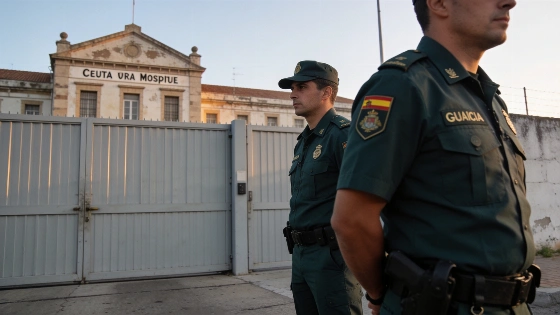
The provisional morgue set up in Ceuta’s former military hospital is now at the center of Spain’s migration crisis, as authorities struggle to manage a growing number of bodies recovered from the border area. The facility, adapted to hold up to 200 deceased, continues to receive victims from the recent mass crossing attempts, with official death counts ranging from 72, according to the national government, to 88 as reported by the city’s administration led by Juan Vivas. The site remains strictly closed to outsiders, with security forces and forensic teams working behind barriers to identify the dead.
Efforts to recover bodies from the sea are ongoing, with Guardia Civil agents searching Spanish waters and Moroccan teams retrieving victims on their side of the border. Not all fatalities occurred during the chaotic rush at the Tarajal breakwater last Thursday, when many were crushed in the desperate push to reach Spanish soil. Some bodies show signs of prolonged submersion, as arrivals by swimming have continued for over two weeks, and currents have carried remains to various points along Ceuta’s coast. Among the deceased are numerous teenagers, at least one woman, and both Moroccan and sub-Saharan nationals, according to funeral service sources.
Heavy fog, known locally as taró, returned to the Tarajal border on Sunday, encouraging more migrants waiting in Fnideq to attempt the crossing. August is notorious for this dense mist, which often coincides with increased attempts to breach the border. In response, Guardia Civil officers have deployed a new 500-meter buoy line and submerged mesh barriers to hinder swimmers, following a recent Supreme Court ruling. Several migrants were intercepted and returned overnight, while the Army detained a group trying to enter by sea. The city remains tense, with fewer migrants visible in central areas as police and military patrols intensify checks and urge those without documentation to leave.
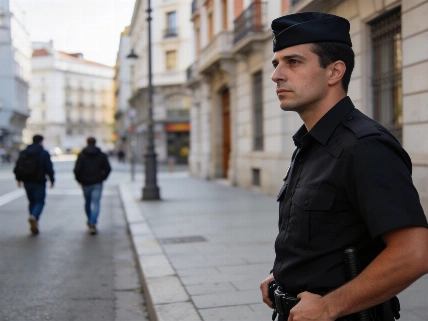
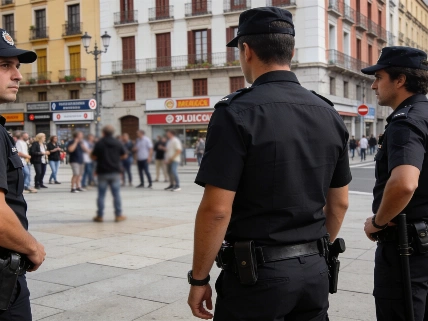
Authorities are accelerating the processing of irregular entries, aiming to expedite returns as quickly as possible. Nearly 3,000 security and military personnel are stationed in Ceuta to maintain order, and their presence is expected to continue for the foreseeable future. Detentions of migrants in public spaces have become more frequent, unsettling local residents. Scenes of young men being apprehended by elite Army units and police, then transported for identification and likely expulsion, have become common. Local media, including El Faro, have documented buses filled with migrants being taken to the border for removal.
Many migrants have moved toward Benítez beach in Ceuta’s northern bay, seeking access to the Temporary Immigrant Stay Center (CETI). There, they wait in worn clothing, carrying their few belongings in bags, and try to avoid military patrols. At night, they sleep in the hills near reservoirs, changing locations to evade detection. The city’s child protection services, overwhelmed by the influx, estimate they have assisted around 1,200 minors—numbers similar to the 2021 crisis, when 10,000 people entered Ceuta. In recent days, the Interior Ministry reported 50,000 arrivals.
Ceuta’s health services have provided 1,622 medical treatments to migrants since Friday, with 473 cases recorded between August 1 and 2. Most were handled in primary care, but several required specialized hospital attention, including intensive care, pediatrics, obstetrics, and neonatal units. No new deaths were reported in the latest health update. Meanwhile, Melilla saw no irregular entries on Sunday night, a sharp contrast to the previous two nights, which saw 149 crossings, including 99 minors.
This crisis follows a pattern seen in previous surges, such as the one detailed in recent coverage of Ceuta’s unprecedented migrant influx, where overwhelmed resources and border control failures led to significant loss of life and ongoing humanitarian challenges.
Ceuta’s situation underscores the persistent pressures on Spain’s border infrastructure and the complex interplay between migration flows, security measures, and humanitarian response. The city’s experience highlights the urgent need for coordinated action and sustainable solutions as authorities continue to grapple with the consequences of mass irregular crossings.