A colossal new stadium is rising in El Salvador, set to become the largest in Central America. With 50,000 seats and a striking steel structure, the project is transforming the skyline and raising questions about cost, ambition, and regional influence.
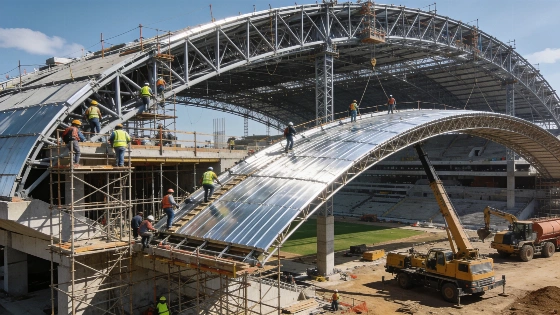
Steel beams now cut across the skyline in Antiguo Cuscatlán, where the new Estadio Nacional de El Salvador is quickly taking shape. By September 2026, the stadium's exterior will be hard to miss, a sign of just how large this project is.
The build is led by China State Construction Engineering Corporation, which has brought the civil works to about halfway, according to the Instituto Nacional de los Deportes (INDES). The most visible progress so far is the installation of a 14,000-tonne steel roof, a major engineering step. Cronista reports the stadium is being built on the site of the old Military School and will cover more than 170,000 square meters, with over 2,000 parking spaces planned.
The project is described as one of the most advanced and ambitious stadiums in Latin America, with a focus on engineering complexity and scale.
The design calls for 50,000 seats, with the option to expand to 60,000. There will be two main seating tiers, separated by VIP zones, all wrapped in a curved structure that serves as both façade and shelter. The stadium will include accessible areas, media facilities, medical support, and 2,000 parking spaces, aiming to meet international standards for major events. Cronista confirms the project is a direct result of cooperation between El Salvador and China, with support from the Chinese government.
The finances are less clear. The often-quoted $500 million figure is not just for the stadium. Public documents and statements from Salvadoran and Chinese officials show that this sum covers a larger package of Chinese-funded infrastructure projects in El Salvador. No official breakdown has been released to show how much is going to the stadium itself, leaving the real cost uncertain. Cronista notes that the lack of transparency around the stadium's budget has fueled debate about the project's financial scope.
Early estimates suggested the stadium would be ready by early 2027, but the latest timeline now points to mid-2027. INDES president René Martínez says there are no reported delays, though the full build could stretch into the summer. Recent images show fast progress, especially on the northern parking areas and the stadium's distinctive roof, but no updated completion percentage has been published since May.
The INDES leadership has publicly stated that there have been no recorded delays in the construction process, although the full cycle of work may extend into the summer of 2027.
Once finished, the Estadio Nacional de El Salvador will be the new home for the national football team and a venue for concerts, festivals, and other large events. Its 50,000-seat capacity will make it the biggest stadium in Central America, though still smaller than mega-projects like the planned 135,000-seat stadium in Hanoi. The goal is to create a landmark for the San Salvador metropolitan area and set a new standard for sports and entertainment in the country.
China's involvement has drawn attention beyond sports. The stadium is a visible sign of international partnership and raises questions about influence and long-term impact. The lack of clarity around the true cost and the bundled funding suggest the project is as much about geopolitics as football. For El Salvador, finishing the stadium will be a milestone, but what it means in the long run will depend on how the country handles the opportunities and obligations that come with it.