Car sales in Spain have finally bounced back to pre-pandemic numbers, but the real shift is the fast rise of Chinese brands. The market is growing, but the winners are changing.
Spain’s car market is back where it was before the pandemic, but the cars on the road are changing fast. By August 2026, more than 800,000 new cars had been registered. That number would have seemed out of reach just a year ago. But as analyst Pilar García de la Granja put it, “Por primera vez en seis años los coches en España se están matriculando a niveles previos a la pandemia y es por los modelos chinos.”
This rebound is not just a return to old habits. ANFAC and ACEA data confirm 818,000 registrations up to August, a 6.4% jump from last year. August alone saw 68,544 new cars, up 11.8% year-on-year. Toyota and Volkswagen led in total sales, with SEAT still among the top brands. But the real momentum is coming from Chinese brands, which are quickly taking a bigger slice of the market.
In August 2026, BYD recorded 3,191 registrations in Spain, representing a 74.7% year-on-year increase and bringing its annual total to nearly 30,000 vehicles.
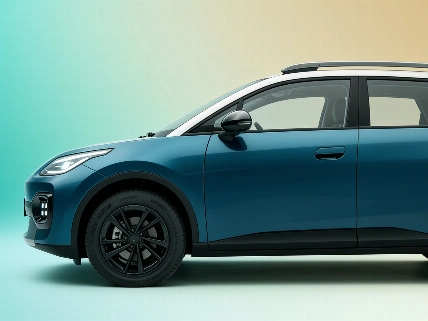
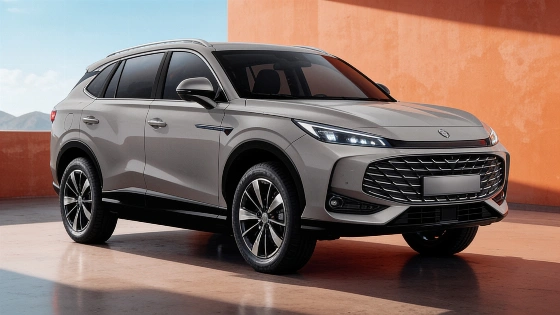
Three things are driving this change. First, the government’s Auto+ plan, launched by the Ministry of Industry, is giving up to 4,500 euros for each eligible electrified car. The first round of applications opened in August 2026. Official rules say the program covers cars registered from January 1, 2026. A second round of aid for companies and the self-employed, with a 50 million euro budget, started taking applications on October 1, 2026. Second, Chinese brands have come in with prices that beat European and American rivals. BYD has nearly doubled its registrations. EBRO has tripled. Along with MG, Omoda, and Jaecoo, these brands now hold more than 14.5% of the Spanish market as of August 2026. Industry sources say that share has only grown since then.
Demographics are also pushing demand. Spain’s population is rising, and so is the need for cars. The country’s car fleet is getting old. ANFAC puts the average age at 14.6 years, while García de la Granja says it’s between 12 and 13. This aging fleet is driving a wave of replacements. Used cars are “selling like hotcakes,” as the analyst says.
Omoda and Jaecoo together registered 25,465 vehicles in Spain from January to August 2026, marking an 80.2% increase compared to the same period the previous year.
But the industrial side is more tangled. Spain is still Europe’s second-biggest car producer. In 2025, factories built 2.27 million vehicles. The sector brought in 80.315 billion euros in revenue and saw a record 3.197 billion euros invested last year. Nearly 600,000 jobs depend on this industry. It makes up about 11% of Spain’s GDP and 9% of its jobs. But as Asian brands sell more, the link between what’s sold and what’s made in Spain is getting weaker.
There’s a clear paradox. More sales don’t mean stronger factories. More of the cars on Spanish roads are imported. Local plants face a new challenge. As reported earlier, even big names like Volkswagen are changing their production plans. They’re betting on Spanish factories to build the next wave of affordable electric cars as combustion models fade. The European Automobile Manufacturers’ Association (ACEA) says Spain was among the EU leaders in new car registration growth in August 2026. The European market as a whole is also moving up.
Market leadership is now split. Toyota, Volkswagen, and SEAT still sell the most cars, but BYD and EBRO are growing the fastest. Traditional brands are losing ground as Chinese newcomers expand. The return to 2019 registration numbers is not a reset. It’s a shift. The Spanish car market now looks different, with Chinese brands making up more than one in seven new cars sold. Multiple industry and media sources confirm this trend.
Pilar García de la Granja’s warning—“Que se venda lo que sea, pero que la industria siga ahí”—shows the tension. Spain’s auto sector is at a turning point. What sells is no longer what’s built. The future of Spanish factories depends on how they adapt to a market where tomorrow’s car may not be European. The state still collects its share. Jobs are at stake. The balance of power in Spain’s car market is changing fast. The numbers may look familiar, but the story behind them is new.