Chinese hybrid and plug-in hybrid cars have surged in Spain, outpacing rivals with lower prices, more features, and longer electric range. 2026 marks a turning point as these brands secure a lasting foothold in the Spanish market.
BYD’s Seal U and Atto 2 DM-i have shaken up Spain’s car market in 2026. These Chinese plug-in hybrids are outselling old favorites. They are changing what Spanish families look for in a car.
Price, features, and range now matter most. Chinese brands have cracked the code. The numbers tell the story. Five out of the ten top-selling plug-in hybrids this year are Chinese. BYD and Chery lead the way. The BYD Seal U has already sold 7,445 units. That’s a huge jump from just 1,592 in 2024. The Atto 2 is set to break 10,000 sales in its first full year. That’s no small feat.
According to Expansion, Chinese brands have captured about 15% of Spain's total new car market in 2026, and nearly 20% among private buyers.
Why are buyers switching? The answer is simple. Chinese hybrids give more for less. Buyers get more equipment, bold design, and electric-only ranges over 100 kilometers. Prices are lower than European and Japanese rivals. For Spanish families, it’s a clear win. A BYD Seal U costs the same as a Toyota C-HR plug-in hybrid but has a much bigger interior. The Omoda 9 packs over 500 horsepower at a price others can’t match. Even the Omoda 7 and Ebro S700 have found fans by mixing sharp looks with features made for European tastes.
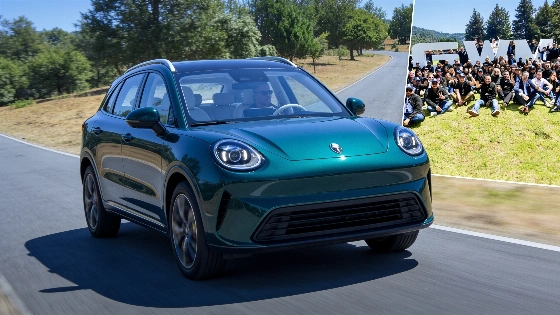
It’s not just plug-in hybrids making waves. Non-plug-in Chinese hybrids like the MG ZS and Omoda 5 have broken into Spain’s top ten. New names like Geely and GWM are showing up with models such as the Starray EM-i and Ora 5. The plan is clear. Chinese brands offer both combustion and electrified models. Buyers get options. Spain’s plug-in market share has finally climbed above 20%.
The math is hard to ignore. Gasoline prices are high. Running a plug-in hybrid on electricity at home can cost as little as €1.20 to €1.60 per 100 kilometers. A petrol car costs €14 for the same distance. A non-plug-in hybrid costs €10. Even public charging is much cheaper than fuel. There’s a catch. You need a home charger to get the full savings. For those who have one, the cost gap is big.
Industry reports indicate that Chery, through its Omoda and Jaecoo brands, has already surpassed 45,000 registrations in Spain in 2026, with Omoda and Jaecoo alone achieving 25,465 registrations from January to August—a year-on-year increase of over 80%.
Legacy carmakers have struggled to keep up. Most European brands dropped small plug-in hybrids. They said cost and space made them unworkable. Chinese firms filled the gap with cars built for the job. The BYD Dolphin G DM-i has no direct rival in its size. Now, Chinese brands make up 11 of the 30 best-selling electrified models in Spain. This shift happened in just two years. That’s fast.
Rules from Brussels have pushed all carmakers toward electrification. Many European brands went straight to full electric. Chinese companies doubled down on hybrids and plug-in hybrids. They saw a chance. Buyers still worry about range and high prices for big-battery EVs. Chinese brands moved in while others hesitated.
Earlier coverage from Russpain showed how Chinese brands forced a rethink on quality and value. Now, the sales numbers back them up. These companies are no longer outsiders. They are shaping Spain’s car market.
The momentum is real. More Chinese hybrids are coming. Established brands are adding new models. The market has changed for good. For Spanish drivers, the old days of few choices and high prices are over. The Chinese hybrid wave has redrawn the charts. It has set a new standard. The rest of the industry must catch up or get left behind.