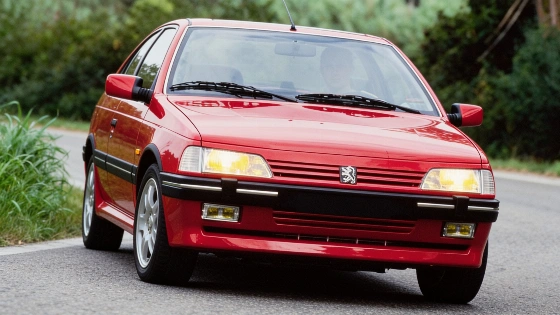
Classic cars aged 30 to 45 years are entering a boom period in Spain. Coupés, convertibles, and special editions are now the most sought-after, with prices expected to climb as nostalgia and buyer demographics align.
Classic cars built from the mid-1980s to the mid-1990s are getting more expensive fast. Automotive specialist Rubén Fidalgo says this is no accident. The jump in prices comes as nostalgia meets buyers who now have the money to spend.
Fidalgo, who tracks the market on his YouTube channel, breaks it down simply. The cars that meant everything to people now in their 40s, 50s, and early 60s are suddenly the hottest tickets. Many of these buyers are at the top of their careers. They can finally buy the cars they dreamed about as kids or young adults. That push is driving up demand for models tied to old memories or the excitement of a first drive.
According to Hagerty, the value of 1980s cars has increased by 38% over the past five years, outpacing the broader classic car market.
Nostalgia is only part of the story. The market follows a clear pattern. Cars lose value fast in their first five years. After that, they drop more slowly until about age 15. Then, prices level off. Once a car turns 30, its value can start to climb—sometimes sharply. Prices often peak when a car is about 45 years old, then start to fall again. This cycle is most obvious with so-called Youngtimers, the name now used for cars between 30 and 45 years old.
But not every old car is a winner. Fidalgo points to coupés, convertibles, high-performance models, and limited editions as the ones most likely to see big price jumps. Cars that are popular for Drift or Track Day events, and 4x4s, are also in demand. At the top, ultra-rare legends like the Ferrari 250 GTO play by their own rules. Their prices don’t follow the usual cycles.
Interest in classic cars has grown fast in Spain. That’s brought real fans and speculators into the market. More buyers are chasing fewer good cars, so competition is heating up. This mirrors what’s happening in other parts of the used car market, as seen in a recent report about imported cars with unclear histories.
Auction data from Monterey Car Week 2026 shows that 1980s and 1990s supercars, such as the 1996 McLaren F1 GTR and 1996 Ferrari F50, achieved multi-million dollar sales, confirming a strong nostalgia premium for rare and culturally significant models from this era.
If you’re thinking about investing, timing matters. The best bets are cars old enough to spark emotion, but not so old that their fans are fading away. Once a model passes 50 years, interest and prices usually drop—unless it’s one of the few legends that always draw a crowd.
This shift in the classic car market is not just a passing trend. It’s about personal history, economic cycles, and changing tastes among Spanish collectors. As the next wave of buyers gets older, today’s Youngtimers could become tomorrow’s untouchable classics. For now, the window is open for those who spot the trend and move before the next surge in demand.