Spain faces a surge in copper thefts targeting construction sites, railways, and solar farms. The crime wave disrupts electric vehicle charging and public transport, exposing gaps in security and threatening the country’s energy transition.
Copper thieves are stripping Spain’s infrastructure at a pace not seen in years. Construction sites, railway lines, and solar farms have all become easy targets as metal prices climb and security falls short. The fallout now hits electric vehicle charging, public transport, and the country’s push for cleaner energy.
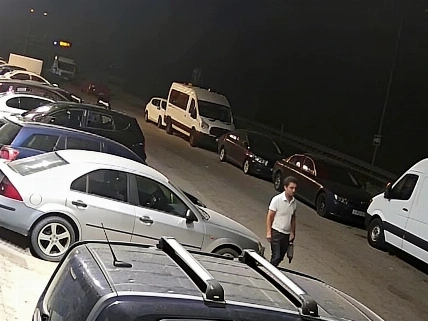
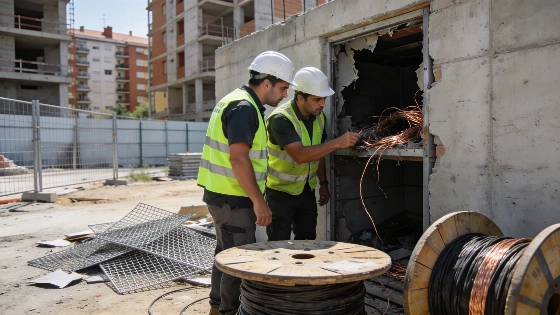
In Madrid’s Villa de Vallecas, construction crews have stopped putting company logos on their warehouses. Thieves have figured out where copper cable spools are kept. “We have night surveillance, but the robberies keep coming, especially now that copper is so valuable,” says Juan Manuel, a worker in the area. Security signs and video warnings barely slow the thieves down.
In September 2026 alone, 35 copper thefts on the Rodalies railway line in Catalonia caused about 15,000 minutes—over 250 hours—of train delays.
The numbers tell the story. The Ministry of the Interior’s crime data shows 5,691 copper and conductor thefts in 2025 outside Catalunya and the Basque Country. That’s nearly 150% more than in 2021, and up 23% from 2024. Copper prices on the London Metal Exchange have hit a twelve-year high, trading between $14,300 and $14,700 per ton. The metal is easy to melt and hard to trace, which only feeds the black market.
Railways have always drawn copper thieves, but now the crime wave is spreading. Adif, Spain’s rail infrastructure manager, logged 409 thefts in just the first half of 2025—almost as many as in all of 2024. Construction sites, solar farms, and electric vehicle charging stations are now in the crosshairs, especially in Catalunya. Europa Press reports that by August 31, 2026, Catalonia had seen 280 copper thefts—about seven times the pre-pandemic yearly average. Police have detained 69 people under the Pla Via operation, with half the arrests in August and September alone.
Electric mobility is taking a hit. One out of every three public electric car charging points in Catalunya is out of service, many because thieves have ripped out copper cables. ANFAC’s latest barometer lists 3,628 inoperative points in the region, out of 17,821 nationwide. Still, ANFAC notes that not every broken charger is due to copper theft—some are down for other reasons, like grid delays or technical faults.
Catalan authorities report that the Mossos d'Esquadra's Pla Via plan has begun to yield results, but the scale of delays and the continued rise in thefts show that prevention measures have not yet eliminated infrastructure vulnerabilities.
Solar farms are also under attack. “The cable of photovoltaic panels is now the most stolen,” says José Luis Vereda, captain of the Guardia Civil’s Judicial Police Technical Unit. These sites are often isolated and poorly guarded, making them easy pickings. In Sevilla, the Guardia Civil recovered two tons of stolen copper from solar farms this summer. The damage can shut down entire plants, warns José Donoso, director general of the Unión Española Fotovoltaica.
Construction workers are feeling the strain. BauWatch’s 2026 crime report found that 80.4% of Spanish construction workers have faced theft on site this year, up from 75.8% in 2025. Copper is the top target by far.
Catching the thieves is tough. Many thefts go unnoticed for days, especially on railways, where missing cables are often found only during maintenance. Some criminals take just one cable at a time to avoid quick detection. But when big thefts hit, like the AVE line in Toledo in May 2025, train delays pile up and police respond in force.
Adif is testing drones and AI-powered cameras to watch over the tracks. But with thousands of kilometers to cover and many remote sites, stopping thefts before they happen is a tall order. The Guardia Civil says copper theft is deeply rooted in Spain, often carried out by small, sometimes family-run groups, some with ties to Eastern Europe. Some gangs even run their own melting operations, making the stolen metal almost impossible to trace once processed.
Scrap dealers face constant checks, but copper’s lack of serial numbers and the ease of disguising its origin make enforcement tricky. “We trust in the honesty of scrap dealers,” says Captain Vereda, though the reality is more complicated. In Madrid, scrap yards pay about nine euros per kilo for clean copper. Many now operate online and refuse to discuss their business.
Galicia, Catalunya, the Levante, southern Madrid, and northern Toledo have been hit hardest in recent months. The damage isn’t just about money—delays, outages, and repair bills ripple through the economy and daily routines. As previously reported, Spain’s electric vehicle rollout is already struggling with too few charging points, and copper theft only makes things worse. ANFAC and AEDIVE data show Spain had 56,682 public charging points as of October 2026, well below the national goal of 124,000. Only 53,373 were actually working at the time, showing the gap between what’s installed and what’s usable.
Why does this crime keep growing? Emilio Vizuete of the University of Barcelona’s Business School points out that copper is vital for conductors, semiconductors, and the digital economy. Its supply swings up and down, and it’s easy to recycle, making it both valuable and vulnerable. Thieves know it, and so do the authorities, who are scrambling to keep up as Spain’s infrastructure gets stripped for parts. Catalan and central government officials have called for tougher penalties for cable theft and want stronger protection for cable networks and tighter controls on the trade in stolen copper, according to Europa Press.
Spain’s battle with copper theft has exposed a weak spot in its infrastructure and energy plans. Until security catches up with the thieves, the country’s push for electrification and modern transport will stay at risk.