In the latest review from Spain's Acute Respiratory Infection Surveillance System, Covid incidence reached 85 cases per 100,000 inhabitants, compared with 22.9 for influenza. On that measure, Covid is ahead.
SiVIRA's September indicators do not all track the same thing. The gap varies depending on whether figures cover reported syndromes, positive tests or adjusted estimates. The numbers remain unusual for this point in the year.
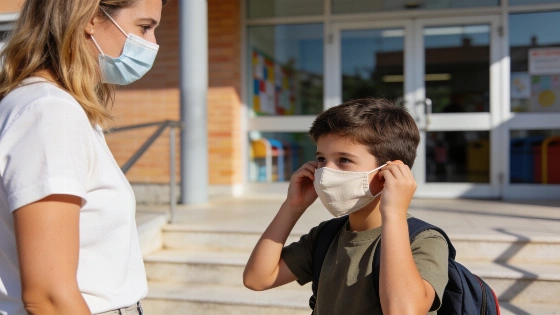
Specialists are again urging vaccination. They also want people with symptoms to wear masks.
The rise has not created a new hospital crisis. Most patients have sore throats and coughs, as well as runny noses and general discomfort. Specialists have reported no major mutations or hospital pressure linked to the increase.
National levels of respiratory infection remained below the epidemic threshold in reports covering this period. That is the broader picture.
In primary care, SARS-CoV-2 test positivity reached roughly 15 to 16.7% in one September review, compared with about 8.2% for influenza and 0% for RSV, SiVIRA reported.
SARS-CoV-2 is circulating more than flu at present, but the illness is mostly mild. Vaccines still lower the risk of serious disease, especially for older people and those with underlying conditions.
El Español and other Spanish outlets also reported that the increase had not put large extra pressure on hospitals. Infection numbers are up, while the clinical impact remains limited.
Marcos López, head of Immunology at Hospital de Valdecilla in Santander and professor of Immunology at the University of Cantabria, said the pattern differs sharply from last year, when few Covid cases were recorded.
López also expects influenza to gain ground later. Flu usually follows a stronger seasonal cycle.
The cause of the Covid increase is not settled. Specialists point to two factors: the virus is less seasonal than influenza, and fewer people have received Covid vaccines during recent campaigns.
Protection from earlier vaccination can fade. Regional campaigns for Covid, influenza and RSV were being prepared for late September and October. Authorities planned to focus again on vulnerable groups.
The trend was not uniform across Spain. In the Valencian Community, the overall acute respiratory infection rate rose to 537.4 cases per 100,000 during week 38, while Covid circulation also strengthened in the region, El Español reported.
Amós García, former president of the Spanish Association of Vaccinology and author of Crónicas de la pandemia (Punto Rojo, 2025), describes vaccines as the intervention that changed SARS-CoV-2 from a pandemic threat into an infection that usually causes limited clinical harm outside vulnerable groups.
Current data support part of that assessment. Vaccination offers stronger protection against severe illness than against infection itself.
The wider respiratory-virus picture also includes an earlier RSV report involving Spanish babies. Respiratory infections do not disappear when public attention shifts away from Covid.
RSV was not the basic driver of the late-September increase at national level. Reviews available for that period described its positivity as zero or close to zero.
For people who are ill, wearing a mask remains the simplest immediate step. Marcos López said hospitals and laboratories were again seeing symptomatic staff and visitors wear masks.
Amós García stressed that a surgical mask is mainly designed to reduce transmission from an infected person to others. It does not guarantee personal protection.
Hand washing is another habit specialists want people to keep from the pandemic years. It does not replace vaccination or staying away from others when someone feels unwell.
Regional flu and Covid vaccination campaigns are due to begin in the coming days. Authorities may adjust their recommendations if respiratory viruses spread further.
The medical advice is clear. Older and vulnerable people should be prioritised. People with symptoms should wear a mask. The current rise should not be treated as evidence of a more dangerous variant.
La Vanguardia's account of the September data described mostly mild illness, not a new severe wave.
Spain is not returning to the pandemic emergency described by specialists. The figures do show that Covid can regain ground outside winter.
An incidence of 85 cases per 100,000 inhabitants during warm weather makes that point. Vaccination helps prevent the complications that matter most. A mask during symptoms can reduce avoidable transmission.