Spanish researchers have detected an RSV variant with reduced susceptibility to nirsevimab. Three babies were infected, and two needed hospital care, including intensive treatment.
A variant of respiratory syncytial virus has been detected in Spain after getting past nirsevimab's protection in three paediatric infections. Two babies needed hospital care. One developed severe bronchiolitis and required intensive care and respiratory support. The Centro Nacional de Microbiología of the Instituto de Salud Carlos III (ISCIII) identified the cases during the previous epidemiological season.
Genetic analysis found the N201T substitution in the F protein of RSV-B. The change is linked to reduced susceptibility to nirsevimab, the monoclonal antibody used in Spain to prevent severe respiratory syncytial virus disease in babies. The ISCIII said this is the first documented signal in Spain involving an RSV variant with this potential escape-associated change.
The N201T substitution is located in antigenic site Ø of the RSV F protein, a key target of nirsevimab. This location is why the change is being investigated as a possible mechanism of reduced antibody sensitivity.
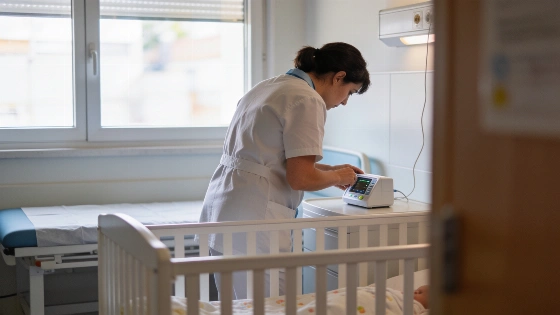
The finding covers only three reported paediatric infections, but two of the children became seriously ill. One spent seven days in hospital. Another spent two days in a paediatric intensive care unit and received non-invasive BiPAP ventilation for severe bronchiolitis.
The third child was not hospitalised. That baby had received nirsevimab during the 2023/24 season, not during the season when the infection was identified. That limits how far the case can be treated as a direct breakthrough during active protection.
The results were published in Eurosurveillance, the journal associated with the European Centre for Disease Prevention and Control. María Iglesias Caballero, Vicente Mas and Inmaculada Casas led the study from the CNM-ISCIII Respiratory Virus Laboratory. Hospital Universitario de Badajoz and Hospital Universitario Virgen del Rocío de Sevilla also supported the work.
In 2026, regional health services in Spain continued expanding RSV prevention campaigns using a single dose of nirsevimab for newborns and infants. The measure underlines that nirsevimab remains a central prevention tool even as laboratories monitor variants that may reduce its activity.
The mutation does not appear to be one isolated genetic event. The researchers found that it circulates naturally and has emerged more than once in different viral lineages. They said genomic surveillance must be paired with antigenic testing. That would help identify and assess variants that can evade preventive treatments at an early stage.
RELECOV carries out that monitoring through a network linking microbiology laboratories in all of Spain's autonomous communities. Since the pandemic, the network has sequenced respiratory viruses under the coordination of the CNM-ISCIII. The finding adds another detail to the respiratory picture described in an earlier respiratory report about infections circulating in Spain.
Respiratory syncytial virus affects children most often during their first year of life. In severe cases, it can cause bronchiolitis. Estimates cited in the study indicate that the virus affects one in four children during their first 12 months. Around 14% need medical attention, nearly 2% require hospitalisation and 0.1% need intensive care. In Spain, outbreaks usually occur between November and January.
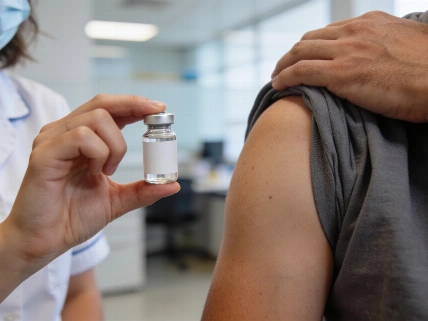
Nirsevimab has been used in Spain since 2023. It became part of the national prevention strategy for the 2023/24 season. Unlike a vaccine, it supplies antibodies directly and targets the virus's F protein, which the virus needs to enter cells. A single dose is designed to protect a child through one RSV season. Earlier ISCIII research found an 80% lower risk of RSV hospitalisation among immunised babies under one year old. Spanish regional campaigns have also reported substantial reductions in bronchiolitis- and RSV-related hospitalisations after the preventive antibody was introduced.
The protection remains significant, but it is not absolute. These three infections show why Spain's strategy cannot rely only on giving nirsevimab. The antibody's performance also needs to be checked as the virus changes. The Eurosurveillance study describes the cases as an early surveillance signal, not evidence of widespread prevention failure. The practical lesson is clear: RELECOV and genomic analysis detected the escape-associated mutation while the cases could still be studied in detail.