The film 'Tiempo de victoria' reveals how a single weather forecast nearly changed the date of D Day. The suspenseful drama shows the immense pressure on Allied leaders and the pivotal role of meteorologists in World War II.
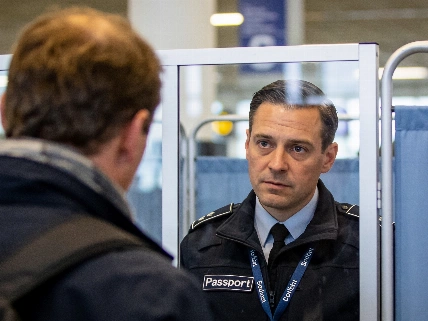
On the night before the Normandy landings, everything depended on the weather. 'Tiempo de victoria', directed by Anthony Maras, revisits the tense hours when Allied leaders weighed whether to launch the invasion or wait. The film shows how unpredictable conditions over the English Channel almost forced a delay, threatening the entire Allied plan.
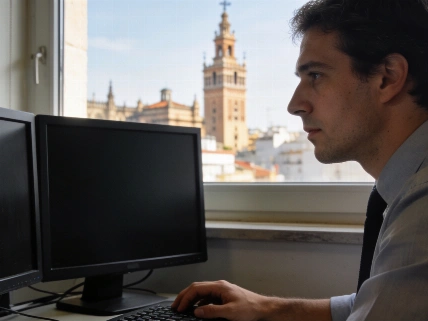
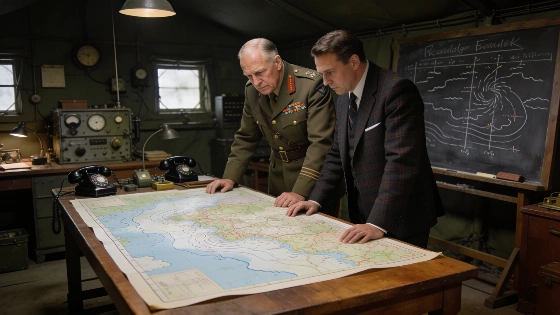
At the center is James Stagg, a reserved Scottish meteorologist whose forecast clashed with those of his colleagues. The story follows Stagg as he tries to convince General Dwight Eisenhower to trust his warning about an approaching storm. With conflicting reports in front of him, Eisenhower had to decide whether to go ahead or postpone, knowing that a wrong call could cost thousands of lives and change the course of the war.
The real-life weather forecast for D Day was so contentious that American meteorologist Irving P. Krick predicted clear skies, while James Stagg warned of a coming storm, leading to a dramatic debate among Allied planners.
Andrew Scott plays Stagg, capturing the pressure of a man whose judgment could alter history. Brendan Fraser takes on the role of Eisenhower, showing a leader weighed down by responsibility. Their tense exchanges drive the film, as both men wrestle with doubt and the consequences of their choices.
'Tiempo de victoria' avoids glamorizing war. Instead, it focuses on the physical and mental strain faced by soldiers, echoing the raw intensity of 'Saving Private Ryan'. The film does not shy away from the fear and uncertainty felt by those about to land on the beaches. It makes clear that D Day's outcome was never guaranteed, but hinged on human decisions made under extreme pressure.
The film is set to open in the United Kingdom on September 18, 2026, and runs 100 minutes. Kerry Condon joins Scott and Fraser in the cast. Maras, known for 'Hotel Bombay', brings urgency and realism to the story, grounding each scene in documented events and careful character work. Reports from the BBC and European outlets confirm the film's historical basis: the Normandy landings were postponed by one day, from June 5 to June 6, 1944, after Stagg warned of a storm and predicted a brief window of better weather. Eisenhower's decision to wait was directly shaped by this forecast.
Multiple independent sources confirm that the film's depiction of the meteorological dilemma is rooted in fact: Stagg's advice led to the postponement of the Normandy landings by 24 hours, a move that many historians now consider crucial to the success of Operation Overlord. The BBC highlights that Eisenhower later credited the Allies' superior meteorological expertise as a decisive advantage over the Germans.
Weather is often beyond human control, but on D Day it became the deciding factor. 'Tiempo de victoria' shows how individuals, working with limited information, shaped the outcome of a major event. By focusing on the meteorological debate and the personal stakes involved, the film offers a new angle on a familiar story from World War II. It highlights the tension between scientific certainty and collective doubt, and explores the risks leaders take when the future is uncertain.