Cruïlla Festival in Barcelona drew 73,000 visitors, falling short of last year's numbers. Organizers highlight a focus on comfort and community over pure attendance. The sharp drop in youth turnout raises questions for future editions.
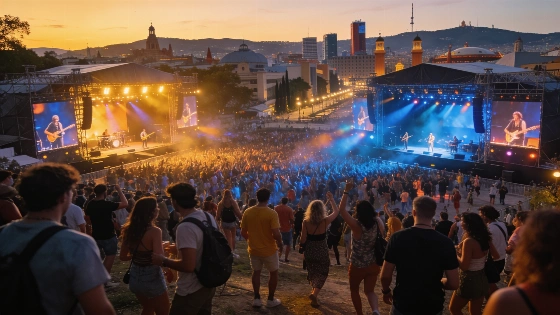
The Cruïlla Festival in Barcelona closed its latest edition with 73,000 attendees, a notable decrease from the 82,000 visitors recorded last year. Despite the drop, festival director Jordi Herreruela emphasized that the event's core strength lies in the atmosphere it creates—prioritizing comfort, safety, and a sense of belonging over numerical records. This year’s slogan, Cruïlla és casa, was chosen to reflect the festival’s commitment to making attendees feel at home.
One of the most significant changes came on Wednesday, traditionally the day that attracts the youngest audience. Attendance on that day fell sharply from 18,000 to just 9,000, accounting for much of the overall decline. Herreruela acknowledged uncertainty about whether the Wednesday program is building a lasting community or simply drawing crowds based on headline acts. This question, he noted, will be central to planning future editions, as the festival seeks to ensure its continuity does not depend solely on star performers.
On other days, attendance remained steady at around 20,000 per day, consistent with previous years. The festival’s demographic continues to skew older, with the average age of attendees between 35 and 45. Thursday’s lineup, featuring nostalgic acts like Pixies and Suede, drew the largest Thursday crowd in Cruïlla’s history, highlighting the appeal to adult audiences. In contrast, Wednesday’s lower turnout suggests a generational divide in festival engagement.
Local support remains the backbone of Cruïlla, with 95% of visitors coming from Catalonia. Half of these are residents of Barcelona, while another 25–30% travel from the surrounding triangle of Sitges, Manresa, and Mataró. International attendance is minimal, reinforcing Herreruela’s strategy of designing the festival primarily for the local public rather than targeting tourists. This approach sets Cruïlla apart from other major events in the city, which often seek to attract a global audience.
Another point highlighted by organizers is the even distribution of crowds across all stages, not just those hosting headline acts. This suggests a broad interest in the festival’s diverse programming. Notably, Cruïlla managed to maintain its audience’s attention even as the World Cup was underway, with music taking clear priority over football within the festival grounds. This focus on experience over spectacle echoes trends seen in other cultural events across Catalonia, as discussed in recent analyses such as the report on shifting political dynamics in the region.
Festivals like Cruïlla play a significant role in Barcelona’s cultural calendar, offering a platform for both international and local artists. The event’s emphasis on community and comfort reflects broader shifts in the live music industry, where audience experience is increasingly valued alongside headline numbers. As organizers assess the impact of this year’s changes, the future direction of Cruïlla may depend on how successfully it can balance tradition, innovation, and the evolving expectations of its audience.