Dacia’s CEO Katrin Adt says a quarter of the company’s development resources are spent meeting EU regulations, not on customer needs. She argues for stable rules as Dacia pursues a pragmatic electrification strategy in a changing market.
When Katrin Adt, CEO of Dacia, quantifies the impact of European regulations on her company, the number is striking: 25% of Dacia’s development capacity—both budget and personnel—is now dedicated solely to meeting regulatory requirements, not to improving vehicles or responding to what drivers actually want. In a recent interview with 20minutos, Adt made clear that this burden is shaping the future of the brand as it navigates the shift to electrification and faces new competition from China.
Regulation Over Innovation
Adt’s assessment is blunt. She describes how a significant share of Dacia’s engineering resources are consumed by the need to adapt to ever-changing EU rules, especially those targeting emissions and safety. “If we could use this capacity to do what customers really need, it would be a tremendous help,” she says. The CEO calls for a more stable regulatory framework, arguing that constant changes make it harder for manufacturers to plan and invest in genuine innovation.
For Dacia, which has built its European success on affordable, practical cars, this regulatory pressure is more than a bureaucratic headache. It means less time and money for features, technologies, or models that might directly benefit drivers. Adt’s comments come as the automotive industry across Europe is under intense pressure to cut emissions and accelerate the transition to electric vehicles, often at significant cost.
Electrification on Dacia’s Terms
Despite these challenges, Dacia is not abandoning its electrification plans. Instead, the company is taking a pragmatic approach, rolling out electric and alternative-fuel models at a pace that matches customer demand. Unlike some rivals, Dacia is not betting everything on battery-electric vehicles. The brand continues to offer a range of propulsion options, with a particular focus on LPG (liquefied petroleum gas), a technology that has found strong acceptance in markets like Spain.
Adt insists that not all drivers are ready—or willing—to switch to fully electric cars. “We focus on following the customer, because we see there are different paths,” she explains. For those who need more range or larger vehicles, Dacia aims to provide alternatives that fit real-world needs, not just regulatory targets.
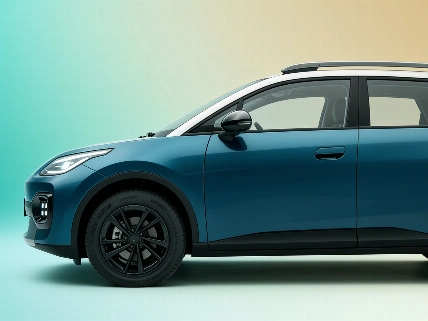
This multi-energy philosophy is evident in the launch of the new Dacia Striker, a SUV designed to offer several powertrain options. The model reflects Dacia’s strategy of adapting to evolving EU emissions rules without forcing customers into a single technological solution.
Facing Chinese Competition
The rise of Chinese automakers in Europe is another challenge Adt does not underestimate. She acknowledges that the competitive landscape has changed dramatically, but believes Dacia’s value proposition remains hard to match. “We see competition we haven’t seen before, no doubt,” she says, but points to Dacia’s strong residual values, attractive entry prices, proven technology, and efficient engines as key advantages.
Adt argues that these factors make Dacia’s lineup “a unique offer” in the European market, even as new players arrive. She also highlights the brand’s consistent commercial performance, noting that Dacia’s focus on quality-for-price and loyalty to its core values have helped it outperform many rivals.
Spain’s Strategic Role
Spain stands out as a crucial market for Dacia, both in terms of sales volume and the popularity of LPG technology. According to Adt, Spain is one of the largest and most important countries for the brand in Europe, with the highest share of LPG vehicles among its customers.
Looking ahead, Adt is confident that Dacia will continue to evolve without losing sight of what has driven its growth. “We will be electrified, we will have moved or found our place in the C-segment, but we will remain true to our DNA,” she says.
Context and Outlook
Dacia’s situation is emblematic of a broader tension in the European car industry: balancing regulatory compliance with customer-focused innovation. As EU rules become more demanding, especially on emissions, many manufacturers face similar dilemmas. For brands like Dacia, which compete on affordability and practicality, the stakes are especially high. The coming years will test whether companies can adapt without losing the qualities that made them successful in the first place.