Daniel Sancho, sentenced to life in Thailand for murder, now receives love letters and limited visits in prison. The case highlights strict visitation rules and growing public fascination with high-profile inmates.
Daniel Sancho, son of Rodolfo Sancho and Silvia Bronchalo, remains at the center of public attention after his conviction for the murder of Colombian surgeon Edwin Arrieta in Thailand. Sentenced to life imprisonment on August 29, 2024, Sancho is currently held in Surat Thani prison, sharing a cell with 13 other inmates. Despite the severity of his sentence and the ongoing appeal process, new details have emerged about his daily life behind bars and the unexpected attention he receives from outside the prison walls.
According to information shared by Joaquín Campos, author of 'Muerte en Tailandia', on the Telecinco program Vamos a ver, Sancho has become the recipient of numerous love letters from strangers. Both men and women, who have never met him, have written expressing romantic feelings—a phenomenon known as hibristophilia, where individuals are attracted to those who have committed serious crimes. Campos noted that letters written in English are processed more quickly by prison authorities, making it easier for international correspondence to reach Sancho.
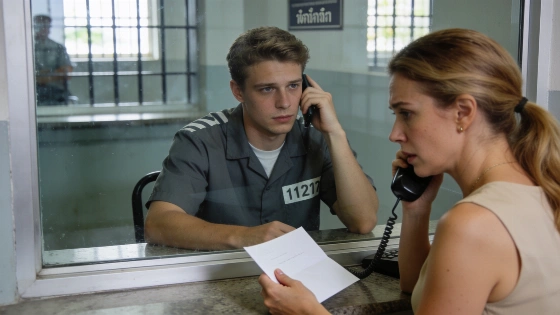
Interest in Sancho's case has not been limited to written messages. Campos also revealed that a Spanish woman recently attempted to visit Sancho in Surat Thani prison. However, she was denied entry because she was not on the approved visitors list, which requires authorization from either the inmate's family or the Spanish embassy. The prison does not allow private meetings, but short visits are possible unless specific restrictions are in place. Attempts to send money have also been reported, but Sancho is only permitted to receive funds from his parents, with a weekly limit of approximately 260 euros.
Sancho's legal team, represented by Carmen Balfagón, confirmed that his contact with the outside world is tightly controlled. Visits from friends and family are brief, typically lasting around 20 minutes. Communication is further limited, with only one friend having managed a video call. Even his lawyers have faced restrictions on phone contact. Balfagón emphasized the importance of family support for Sancho, though tensions remain between his parents, and Sancho reportedly refuses contact with his mother following disputes involving his father. Marcos García Montes, another lawyer involved in the case, stated that Sancho was willing to testify regarding his family situation, but the legal team decided it was unnecessary.
The Sancho case has drawn significant media coverage in Spain, reflecting a broader fascination with high-profile legal proceedings involving Spanish citizens abroad. The strict visitation and communication rules in Thai prisons contrast sharply with Spanish norms, often surprising families and supporters. This situation echoes other legal controversies involving Spanish nationals, such as the recent court-ordered phone cloning in the Sepi investigation, which also highlighted the complexities of international legal processes and the challenges faced by those involved. For more on legal disputes involving Spanish citizens, see this analysis of court-ordered phone data access in a separate high-profile case.
Thailand's prison system is known for its strict regulations and limited privileges for inmates, especially foreigners. The phenomenon of hibristophilia, while rare, has been documented in other high-profile criminal cases worldwide. Sancho's situation underscores the difficulties faced by Spanish citizens convicted abroad, from navigating unfamiliar legal systems to coping with isolation and restricted contact. The ongoing appeal process will determine whether his sentence is upheld or modified, but for now, Sancho's daily reality is shaped by the rigid structure of Thai incarceration and the unexpected attention his case continues to attract.