Margarita Robles will not appear before the Senate to address the Ceuta crisis until the regular session begins. The PP accuses the government of blocking ministers from testifying. Political pressure mounts in Madrid.
The standoff between the Spanish government and the Senate over the Ceuta crisis escalated on Thursday, as Defence Minister Margarita Robles formally declined to appear before the upper chamber until the start of the regular parliamentary session. Robles communicated her decision in a letter to Senate president Pedro Rollán, citing the need for more time to prepare a detailed statement and referencing her recent visit to Ceuta, where she met with local residents amid the ongoing migration emergency.
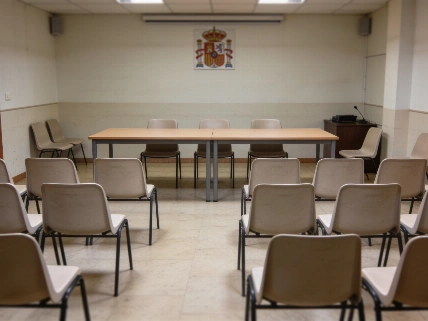
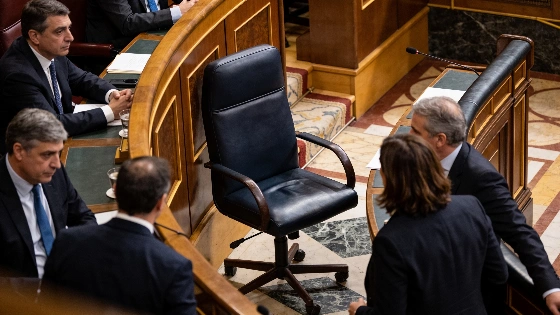
This move aligns Robles with her cabinet colleagues, Interior Minister Fernando Grande-Marlaska and Foreign Minister José Manuel Albares, both of whom have also postponed their Senate appearances. Grande-Marlaska had already missed a scheduled hearing, leaving his seat empty, while Albares is due to appear next week but is expected to follow the same line. The Partido Popular (PP), which controls the Senate, had previously announced what it described as an agreement for Robles to testify on Tuesday, but this has now been set aside.
In her correspondence, Robles emphasized her respect for the Senate and argued that a rigorous and comprehensive explanation of the government's actions in Ceuta requires additional preparation. She pointed to her direct engagement with Ceuta's citizens as part of her justification for the delay. The minister reiterated her willingness to address the chamber, but only once the ordinary session resumes, a position that has frustrated the PP leadership.
The PP has responded by accusing the government of orchestrating a coordinated refusal to engage with the Senate, suggesting that Robles was pressured by La Moncloa to reverse any initial willingness to appear. Party officials have revived a past exchange between Pedro Sánchez and José Luis Ábalos, in which Sánchez referred to Robles as “la pájara,” using it to claim that the Prime Minister is now “caging” his Defence Minister. The PP frames the situation as a deliberate attempt by the executive to avoid scrutiny in a chamber where the opposition holds a majority.
Senate president Pedro Rollán is expected to travel to Ceuta on Friday, further highlighting the political focus on the autonomous city. The government, meanwhile, maintains that ministers will first provide explanations in the Congress of Deputies, starting from the 25th of the month, before addressing the Senate. This sequence has become a point of contention, with the PP insisting on immediate accountability in the upper house.
The current dispute reflects broader tensions over the handling of the Ceuta crisis, which has seen a surge in migrant arrivals and heightened political stakes for both the government and opposition. As noted in a related report, previous attempts by the Senate to summon ministers have been met with similar resistance, deepening the institutional rift. For further background on the ongoing standoff and missed hearings, see this detailed account of earlier Senate-government clashes over the Ceuta crisis.
Ceuta, a Spanish enclave on the North African coast, has long been a flashpoint for migration and diplomatic tensions. The recent crisis has intensified scrutiny of the government's response and the mechanisms for parliamentary oversight. The Senate, dominated by the PP, is using its platform to demand direct answers, while the executive insists on following its own timetable. The outcome of this confrontation may set a precedent for future interactions between the two chambers and shape the political narrative around migration policy in Spain.