Interior and Defence ministers will not attend Senate hearings this week. The PP-controlled chamber reschedules, but the government cites conflicting commitments. Tensions rise over the handling of the Ceuta crisis.
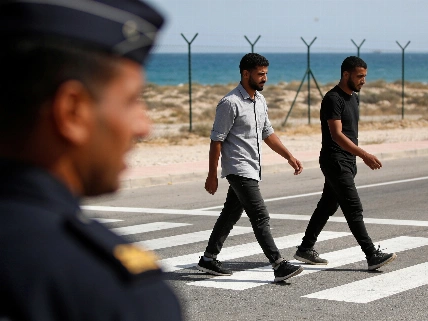
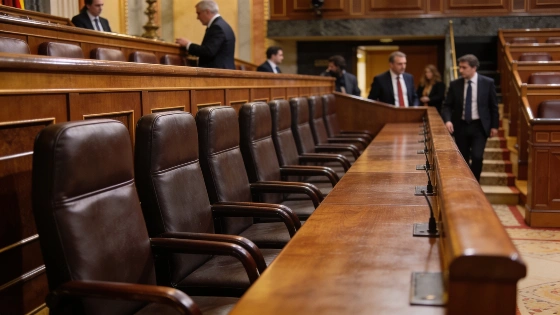
The institutional standoff between Spain’s government and the Senate intensified this week as key ministers declined to appear before the upper chamber to address the ongoing Ceuta crisis. Both Fernando Grande-Marlaska, Minister of the Interior, and Margarita Robles, Minister of Defence, have confirmed they will not attend the extraordinary Senate sessions scheduled by the Partido Popular (PP), which holds a majority in the chamber. The PP had initially summoned Marlaska for Wednesday and Robles for Thursday, seeking explanations on the government’s response to the migration situation in Ceuta.
In a move to secure at least one appearance, the PP rescheduled Robles’ hearing to next Tuesday, claiming this was agreed upon with the minister herself. According to parliamentary sources, Robles communicated her unavailability for Thursday due to her direct involvement in military operations in Ceuta, but expressed willingness to find a compatible date. Senate President Pedro Rollán responded by confirming the new date and thanking Robles for her openness, referencing both written and telephone exchanges between the two offices.
The government, however, maintains that its ministers will not attend the Senate this week, arguing that such appearances would duplicate explanations already planned for the Congress of Deputies later this month. Alongside Robles and Marlaska, Minister Félix Bolaños has also requested to address the crisis in the lower house starting from the 25th, aligning with the government’s preferred timeline. The PP, unsatisfied with this approach, insists on the urgency of Senate hearings, having scheduled them for the 12th, 14th, and 17th of August.
Despite the PP’s claims that their pressure has forced a breakthrough, government sources deny that Robles will attend the Senate next Tuesday. Meanwhile, Marlaska’s office reports that the initial notification for his appearance was informal and that he had already indicated his unavailability due to security operations for the solar eclipse, which required his presence at the Civil Protection headquarters in Madrid. Nevertheless, Marlaska received an official summons for August 12th, a date his team insists remains unfeasible. They reiterate that the minister is not refusing to appear, but that any new date depends on the Senate’s scheduling.
The PP continues to accuse Marlaska and Foreign Minister José Manuel Albares of “democratic rebellion” and disrespecting the Senate’s authority, vowing to pursue further action if the ministers do not comply. This dispute echoes a previous conflict when Prime Minister Pedro Sánchez declined to appear before the Senate regarding the Adamuz train accident, sending Transport Minister Óscar Puente instead. The PP challenged this before the Constitutional Court, which agreed to hear the case but has yet to issue a ruling. The current standoff may prompt a similar legal route if the ministers maintain their position.
For context, the Ceuta crisis has repeatedly heightened political tensions in Spain, with the Senate and Congress often at odds over the appropriate forum for government accountability. The PP’s control of the Senate has enabled it to push for extraordinary sessions, while the government prefers to centralize explanations in the Congress. This dynamic has led to a series of procedural disputes and legal maneuvers, as seen in the Adamuz case, where the Constitutional Court’s involvement underscored the complexity of institutional checks and balances. For further background on recent government-Senate tensions, see the detailed account of the fallout from Minister Óscar Puente’s remarks about the monarchy in this related report.
As the parliamentary calendar resumes later this month, the outcome of this standoff may set important precedents for ministerial accountability and the balance of power between Spain’s legislative chambers. The situation remains fluid, with both sides signaling readiness for further confrontation if no compromise is reached.