Ceuta has seen a surge in young Moroccans risking their lives to reach Europe. Despite tighter controls and higher fences, desperation remains the main driver. Authorities face a challenge that goes beyond border security.
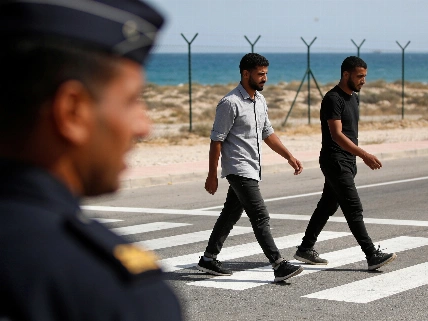
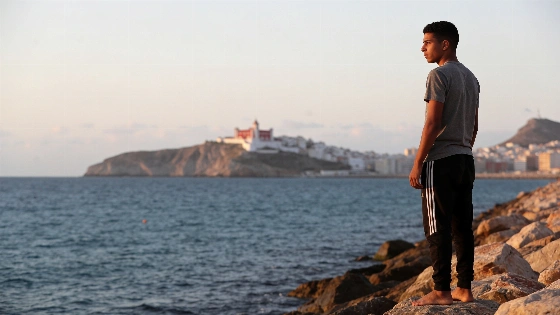
Ceuta has once again become the focal point of Spain’s migration debate, as hundreds of young Moroccans attempt dangerous sea crossings in search of a future in Europe. Recent images of teenagers sprinting toward the water, hoping to reach Spanish soil, have reignited concerns about the effectiveness of border controls and the deeper causes behind these risky journeys.
While authorities have reinforced barriers and increased surveillance, the underlying force remains unchanged: desperation. Many of those arriving in Ceuta are not fleeing war or persecution, but a lack of prospects at home. For these young people, Europe represents not just a destination, but a last resort when their own country no longer offers hope. The term “migratory pressure” is often used in official statements, but behind each crossing is a personal story marked by broken childhoods and families left behind.
Morocco has undergone significant development in recent decades, with new ports, railways, universities, and factories. However, many young Moroccans feel disconnected from this progress. They judge their country not by its infrastructure, but by the opportunities they see for themselves. As a result, the pace of change has failed to keep up with their expectations, fueling a sense of exclusion and frustration.
European responses have largely focused on security, with ever more sophisticated walls and surveillance systems. Yet, as the events in Ceuta show, these measures have not stemmed the flow. The core issue is not physical barriers, but the lack of reasons for young people to believe in a future at home. When dreams are stifled, they become improvised boats and perilous crossings.
Some local initiatives have tried to address this gap. For over 15 years, cultural centers have opened in Morocco’s poorest neighborhoods, aiming to give youth the tools to imagine a future without leaving. These centers do not offer visas or promises of Europe, but teach the value of creativity and self-expression. Exposure to theater, music, dance, painting, and film has helped many regain a sense of dignity lost to poverty. While culture cannot fill a fridge, it can prevent despair from becoming destiny.
Leaving Morocco is not seen as a mistake by those who go; seeking a better life elsewhere is a right. The tragedy lies in the belief that there is no other option. Art and culture alone will not stop all departures, but a country that invests in its youth’s creativity also gives them a reason to stay. The real fight against forced exile begins not with walls, but with open doors to imagination and opportunity.
The recent deaths in Ceuta are not just the result of dangerous waters. They reflect a world willing to accept that some lives are desperate enough to risk everything. The metaphor of “cannibalism” used in the novel Cannibales refers not to literal acts, but to societies that consume their own youth by denying them hope. Generations are growing up convinced that their only chance is to disappear elsewhere, and authorities are often surprised when they cross borders, as if their departure was not years in the making.
These incidents are not isolated crises, but a mirror exposing the gap between those with nothing left to hope for and those who believe higher fences will solve the problem. As long as children grow up believing their future starts on the other side of the sea, deaths and desperate crossings will continue. No wall will change this reality. The responsibility is not to prevent youth from leaving, but to ensure they have the freedom to stay.
For context, the challenges of local communities facing tragedy and the lack of official response can be seen in other recent events, such as the silence in Biescas thirty years after the deadly camping flood, detailed in this report on the anniversary of the Las Nieves disaster.
Spain’s experience with migration at Ceuta highlights a broader European dilemma: how to balance border security with the need to address the root causes of migration. The situation underscores the importance of long-term investment in youth, education, and cultural opportunities, both in Morocco and across the region. Without such efforts, the cycle of risky crossings and tragic outcomes is likely to persist, challenging both Spanish and European policymakers for years to come.