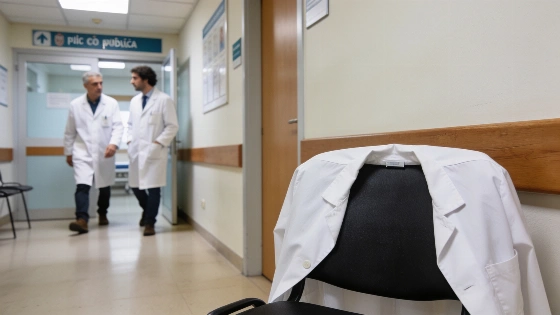
Spain's medical unions have postponed their indefinite strike, which was due to start on 28 October. They say the action can resume if the next Government rejects their demands.
The call for Spain's early parliamentary election on 29 November changed the doctors' next move. The unions had planned to begin an indefinite strike on 28 October. They have now put it on hold.
The pause is tactical, the medical unions say. It is not a retreat.
The decision came from the Strike Committee formed by the Confederación Española de Sindicatos Médicos (CESM), the Sindicato Médico Andaluz (SMA) and the Sindicato Médico de Euskadi (SME). Its argument is practical. Parliament's dissolution ends the current route for the draft Estatuto Marco, the framework for employment conditions in Spain's National Health System. The outgoing administration also no longer offers a negotiating partner "con capacidad para negociar un marco normativo propio para médicos y facultativos".
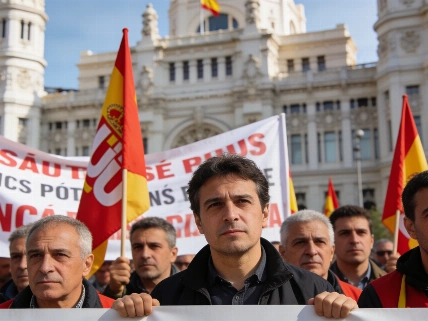
Before announcing the indefinite stoppage, doctors had already used a staged national protest model: weekly work stoppages were held each month from February through June 2026, according to El Confidencial.
The unions would face a mobilisation without a clear path to a political result. They say continuing now would impose "un enorme esfuerzo al colectivo sin una vía política efectiva para alcanzar sus objetivos". The strike remains on the table, but it will not start on the announced date.
Infobae, citing Europa Press, reported that the committee saw the election transition as a reason to wait for a government with the authority to hold substantive talks. The immediate pressure is gone.
The conflict itself has not ended. The committee said the postponement "no supone una renuncia" and keeps the strike call in place "si el próximo Gobierno no atiende las reivindicaciones del colectivo". The next administration will receive the doctors' demands directly. It could face renewed walkouts if no answer follows. EFE also described the decision as a postponement, not a cancellation.
The campaign around the Estatuto Marco involves a wider professional coalition than the three organisations named in the postponement decision. Unión Médica y Facultativa organisations, including Metges de Catalunya and AMYTS, have also backed demands for distinct regulation of doctors’ work, although reports differ over the formal composition of the committee itself.
The election campaign is now the unions' immediate arena. They want political parties to state in their programmes how they would answer the profession's demands. That includes separate regulation for doctors and a new start for work on the future Estatuto Marco.
ABC reported that the organisations plan to seek concrete commitments during the campaign. The dispute has shifted from an imminent strike to a test of the parties' election programmes.
Election uncertainty has affected other public-facing legal and political issues too. An earlier report on the impact of the ballot timetable showed how the election call can interrupt work already under way. Here, the effect is direct. The legislative project at the centre of the dispute lost its current parliamentary setting before a new Government could negotiate with the unions.
El Mundo and El País both identified the interruption of the Estatuto Marco's legislative processing as the main reason for delaying the strike.
There will be no nationwide indefinite strike beginning on 28 October. The healthcare system gets a short-term reprieve.
The dispute remains active. During the campaign, parties must say whether they support a separate regulatory framework for doctors and explain what they would do with the demands behind the strike call. The unions say a stoppage without a functioning interlocutor would have consumed effort without producing negotiations. The next Government will inherit the dispute after the 29 November election. The threat of renewed mobilisation will remain if the new cabinet does not respond.