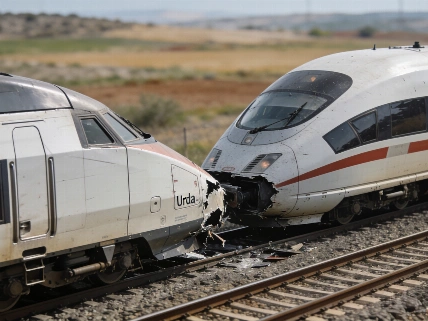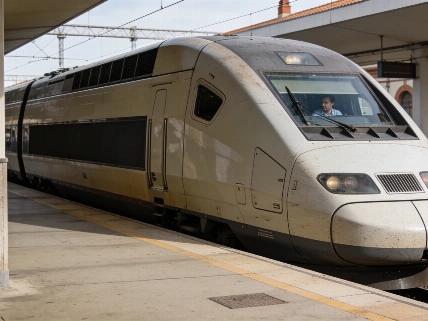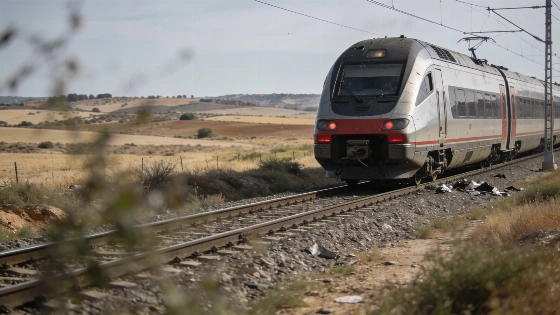
Báñez was travelling in the last carriage of the Iryo train, heading to Seville for a business event organised by the Confederation of Andalusian Entrepreneurs (CEA). The collision took place on 28 October 2026 at about 08:53-08:54 on the Madrid-Seville high-speed line. The trains were identified as Renfe AVE 2080, travelling from Madrid to Seville, and Iryo 6076. Reports said the Iryo was carrying 147 passengers and the AVE 397, for a combined 544.
The crash happened between Urda and Los Yébenes, near kilometre point 118 of the line, an area covered in an earlier crash report. Initial accounts said the AVE struck the Iryo, which was stopped or travelling ahead. The last two Iryo carriages derailed, and several fell down an embankment. Authorities and Spanish media initially reported 68 deaths, 24 from the AVE and 44 from the Iryo. One report counted 107 injured people, including 18 in critical condition, as rescue operations continued. At the time, the PP and CEOE said they had no confirmed information about Báñez’s whereabouts. CEOE expressed condolences to the families of those killed and support for people injured in the crash.
Báñez served as labour minister throughout Mariano Rajoy’s government, from December 2011 to June 2018. She was associated with the 2012 labour reform, introduced during Spain’s economic crisis and later repealed and replaced under Pedro Sánchez’s government by her successor, Yolanda Díaz.
She became president of Fundación CEOE in December 2019. Born in San Juan del Puerto, Huelva, in 1967, she studied economics and law at the Universidad Pontificia de Comillas (ICADE). Before entering national politics, she worked in her family’s agro-food business, Carnes Báñez, where she was strategy director from 1997 to 2000.
PP leader Alberto Núñez Feijóo said the party still had no confirmed news of her. Seville mayor José Luis Sanz said it was too early to draw conclusions. He added that she might be injured or unable to contact anyone, perhaps because she had lost her phone.